
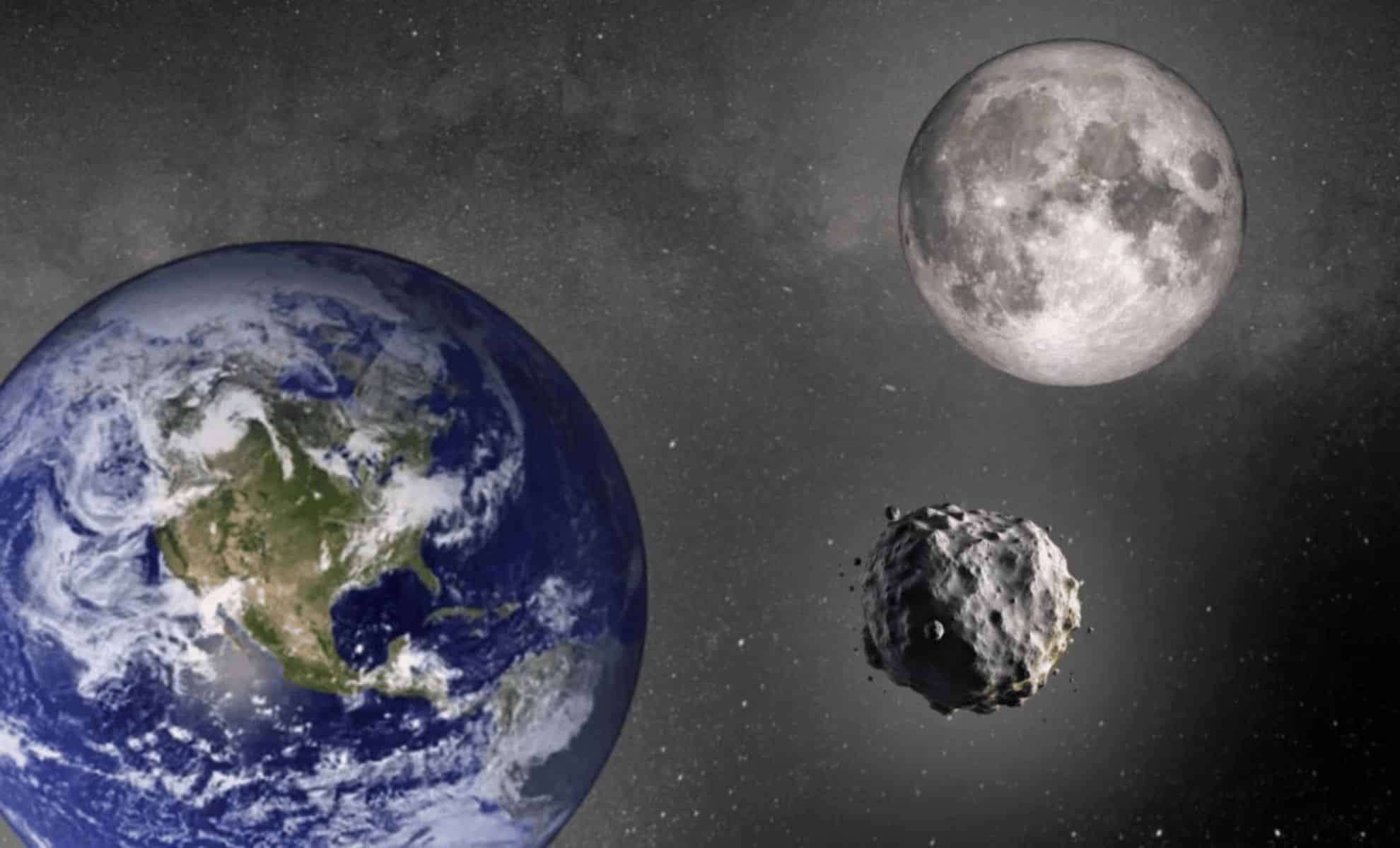
Recent findings reveal a previously undetected group of small moons, or "minimoons," orbiting our planet, composed of fragments originating from the Moon itself. A paper published in The Astrophysical Journal Letters presents the discovery of an asteroid named 2024 PT5, believed to be a lunar fragment, offering new perspectives on debris encircling Earth. This breakthrough suggests that numerous lunar remnants might be in Earth’s vicinity, altering existing views on near-Earth objects and prompting further scientific investigation.
This research is led by Teddy Kareta, a planetary scientist at the Lowell Observatory, who has been monitoring these peculiar bodies to deepen our understanding of the dynamic between Earth and its satellite.
Second Lunar Fragment Minimoon Discovery Fuels Scientific Enthusiasm
Identified as the second confirmed Moon-origin minimoon following 2021’s Kamo’oalewa, 2024 PT5 draws attention due to its trajectory and chemical makeup, closely matching samples returned from Apollo missions. This evidence supports the notion that the Moon releases more debris into nearby space than scientists previously imagined.

“One object could be an outlier, but two indicates a population,” stated Teddy Kareta at the 56th Lunar and Planetary Sciences Conference in March. His remarks underscore the possibility that these minimoons form part of a broader cluster of lunar material orbiting Earth.
Understanding Lunar Fragments Enhances Insights Into Moon’s Geological Past
The discovery of these small lunar orbiters is more than a cataloging effort of near-Earth objects; it offers a window into the Moon’s history of impacts and surface evolution. By analyzing their composition, researchers hope to trace these fragments back to their specific origins on the Moon and possibly identify the impact craters responsible for their release. As Kareta remarked, “It’s akin to uncovering a new type of evidence at a crime scene that was previously unnoticed.”
These advancements could reveal intricate details about the Moon’s geological processes and contribute to our knowledge of how the Earth-Moon system has transformed through geological time.
- Categories:
- News



0 comments
Sign in to Comment