

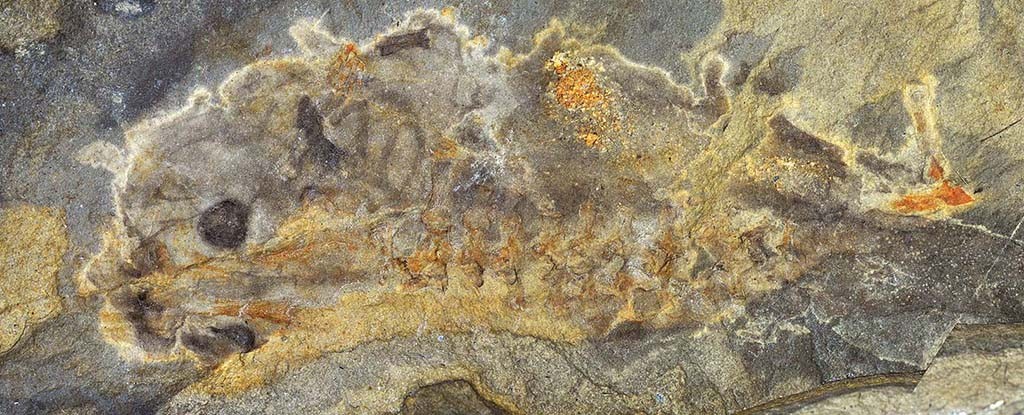
A fossilized tadpole dating back more than 160 million years has been unveiled as the most ancient specimen ever recorded. This remarkable fossil, measuring an astonishing 16 centimeters, was unearthed in Argentina and compels experts to revise the timeline of amphibian metamorphosis.
Assigning the fossil to the species Notobatrachus degiustoi, researchers emphasize its significance not only due to its age but because it challenges previous assumptions about early amphibian larvae. Previously, the oldest discovered tadpole fossils were approximately 145 million years old. This groundbreaking find, detailed in a Nature publication led by evolutionary biologist Mariana Chuliver, pushes this record back by 15 million years.
Unearthing a Jurassic-Era Tadpole Fossil
Since tadpoles are mostly soft-bodied and delicate creatures, their fossils are extremely rare, as the preservation of such fragile structures is a highly improbable event.

This fossil was found within Argentina’s La Matilde Formation, a site renowned for its abundant Jurassic fossils. The specimen represents stem-anurans, primitive ancestors to present-day frogs and toads.
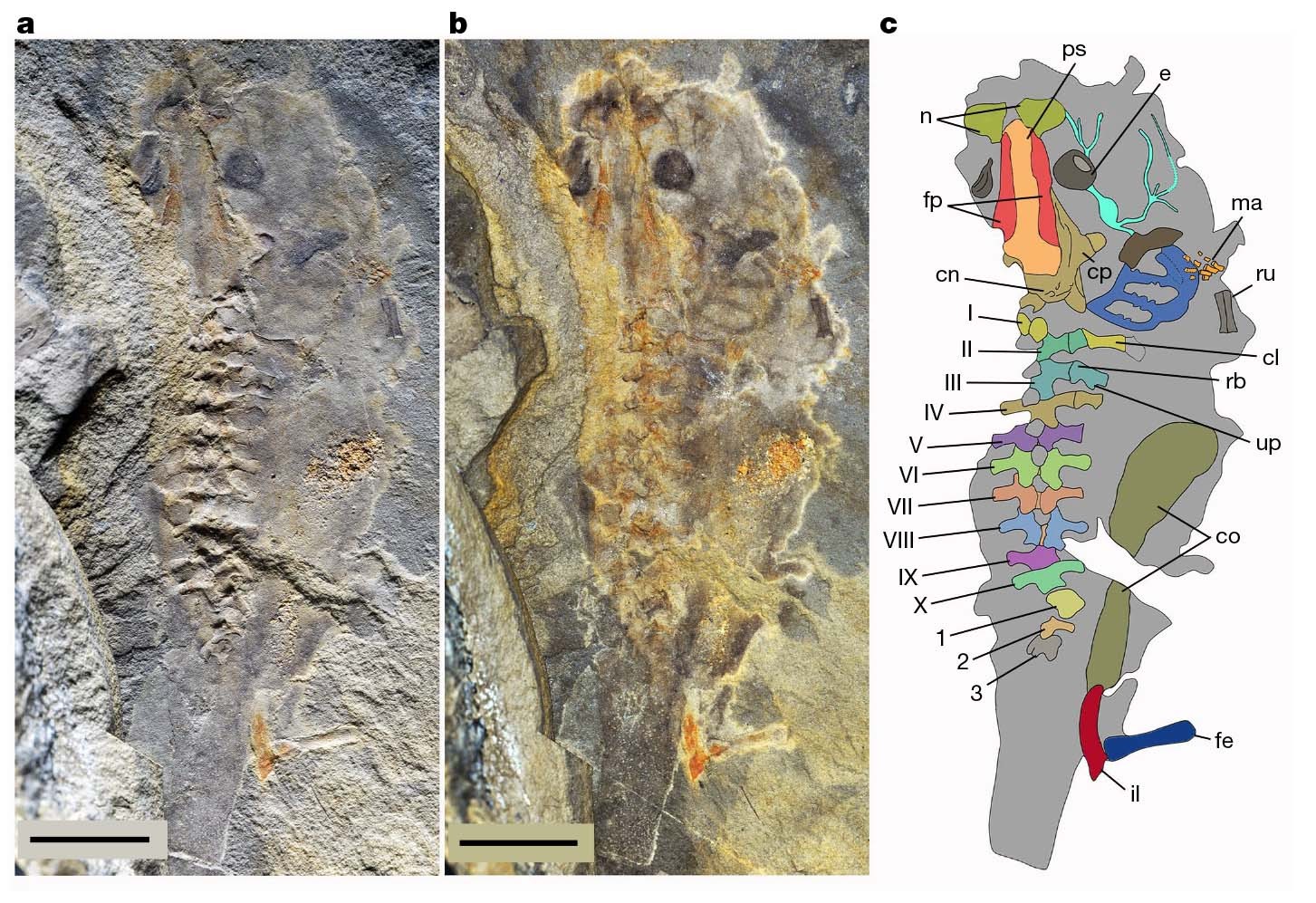
According to Chuliver and colleagues, the fossil is exceptionally well-preserved, revealing details of both its skeletal framework and soft tissues, such as nerve structures, parts of the tail, and even the larva’s eye.
“Its exquisite preservation, including soft tissues, shows features associated with the filter-feeding mechanism characteristic of extant tadpoles. Notably, both N. degiustoi tadpole and adult reached a large size, demonstrating that tadpole gigantism occurred among stem-anurans,” the authors write.
Previously, paleontologists hypothesized that key characteristics of tadpole development emerged in the late Triassic to early Jurassic periods; however, concrete evidence had been lacking. As highlighted by Chuliver’s research team, fossilized tadpoles from these eras had not been documented until this breakthrough.
Surprisingly Large Size in Ancient Tadpoles
The size of Notobatrachus degiustoi stands out significantly. At 16 cm, it dwarfs the size of most modern juvenile frogs, and this is not merely an anomaly.
Research indicates that such a considerable size was typical for this species during its entire life cycle, from tadpole to adult form. This finding implies that gigantism was a common characteristic among early amphibians rather than a rare occurrence.
“The exquisite preservation of the new specimen, including most of the hyobranchial apparatus and soft tissues,” they noted.
The large body size may have provided evolutionary advantages, such as protection from predators and enhanced feeding efficiency. This discovery offers new insights into how amphibians adapted to their Jurassic environments.
- Categories:
- Science











0 comments
Sign in to Comment