
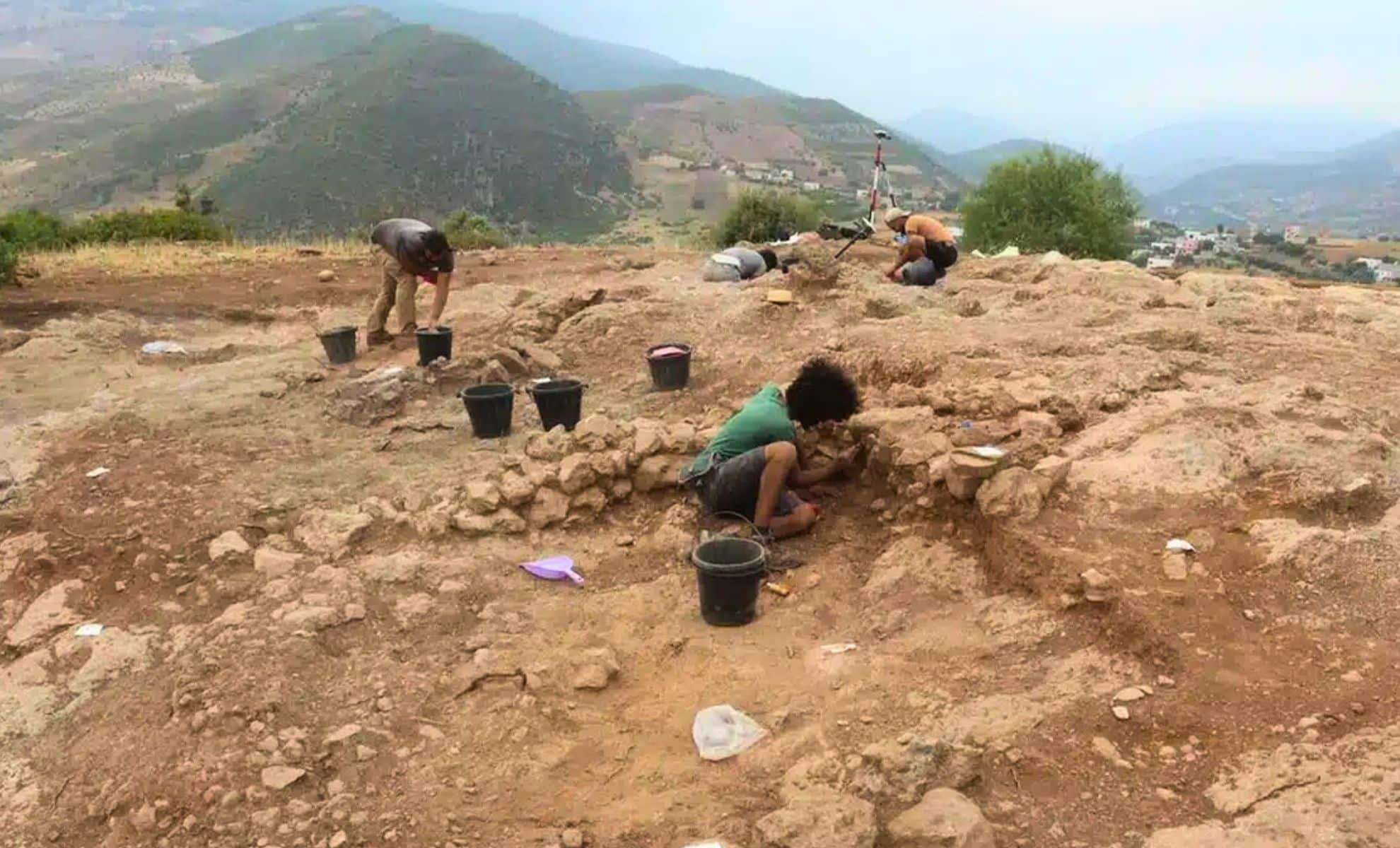
Researchers working in Morocco have identified a settlement dating back 4,200 years, overturning the traditional view that the Phoenicians were the earliest settlers along the Atlantic coastline of the country.
Excavated at the archaeological site of Kach Kouch, this community predates Phoenician arrival by more than a millennium, prompting a revision of North Africa’s early human settlement narrative and emphasizing the influence of native cultures on the region’s historical trajectory.
Settlement Existing Well Before Phoenician Arrival
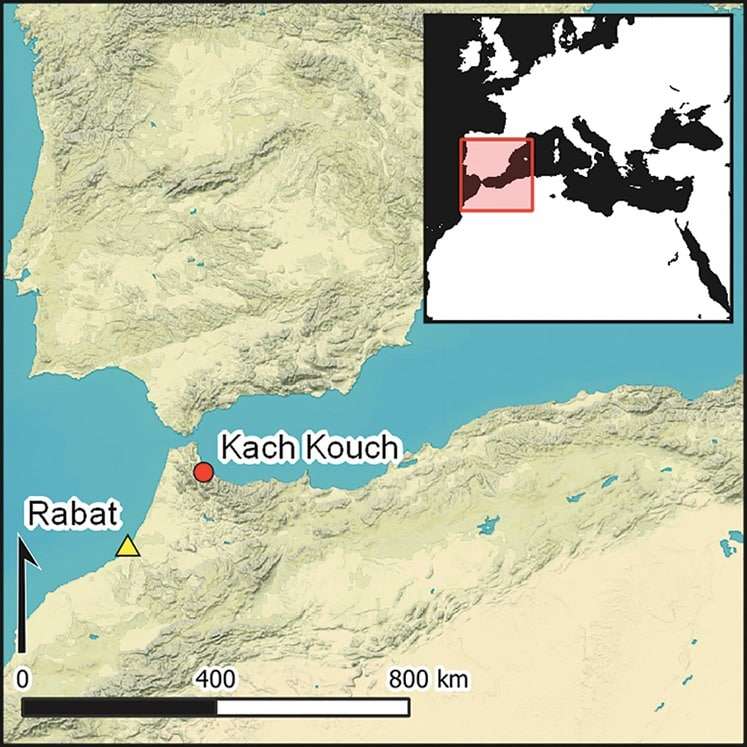
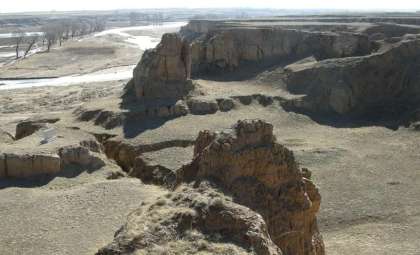
Situated near the Oued Kach Kouch river mouth along Morocco's northwest shore, the Kach Kouch excavation has revealed artifacts dating to approximately 2200–2000 BCE, clearly indicating human activity predating known Phoenician contact.

Among the findings were pieces of ceramics, animal bones from cattle, and chipped stone tools, all signs of an active lifestyle involving tool production and food processing.
Though permanent habitation at this early stage remains uncertain, evidence points to the establishment of a well-organized community by the 13th century BCE.
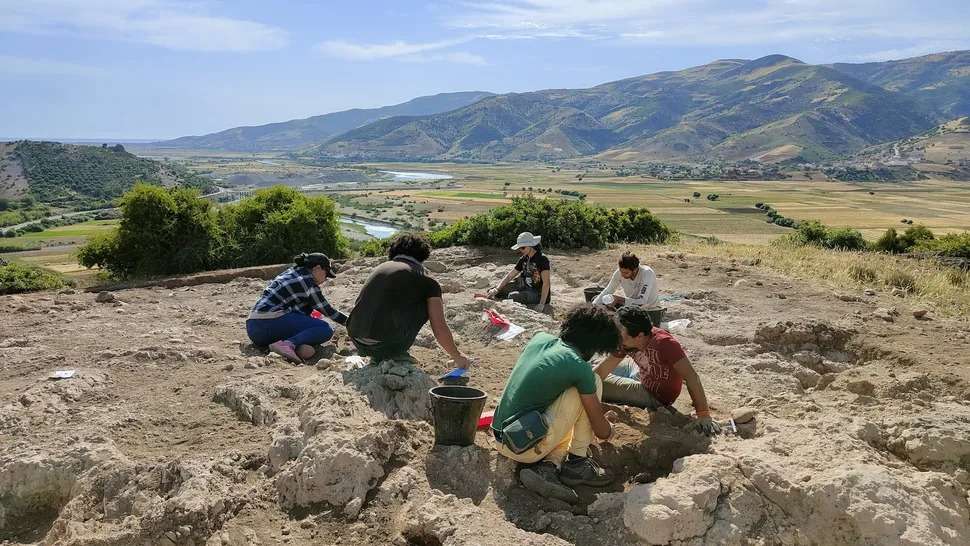
Excavations uncovered dwellings constructed with wattle and daub, a traditional building method using interwoven sticks and earth. This highlights indigenous architectural innovation, independent from Phoenician techniques.
Further investigations suggest the residents practiced agriculture and animal husbandry, with remains of barley, wheat, beans, and peas illustrating a crop-based diet, and over 8,000 animal bones indicating significant livestock rearing.
The livestock remains, including cattle, sheep, and goats, imply a self-sustaining community possibly engaged in local trade as well.
Reconsidering the Phoenicians’ Historical Impact in Morocco
The Phoenicians, originating from the Levant region (present-day Lebanon), have long been regarded as the initial settlers along Morocco’s coastline.
Known as skilled mariners and merchants, they cultivated an extensive trade network across the Mediterranean and North Africa, famously establishing colonies like Carthage in present-day Tunisia around 800 BCE, which evolved into a dominant economic power.
However, discoveries at Kach Kouch indicate local societies thrived hundreds of years prior to Phoenician arrival. Instead of being sole originators of civilization in this area, Phoenicians likely engaged with existing indigenous cultures, facilitating reciprocal cultural and technological exchanges.
A key piece of evidence is the mixing of architectural styles at Kach Kouch, where traditional indigenous construction married Phoenician elements such as stone foundations supporting mudbrick houses.
This blending points toward coexistence and cultural integration rather than outright replacement by foreign settlers.
Unveiling a More Intricate and Ancient Heritage
The findings from Kach Kouch redefine Morocco’s early history, proving the existence of an established native society engaged in farming, animal husbandry, and sophisticated building methods long before external influences.
This contributes to mounting evidence that North Africa’s historical development is far richer and more nuanced than previously believed, recognizing the critical role indigenous communities played before foreign civilizations impacted the region.
- Categories:
- Science





0 comments
Sign in to Comment