
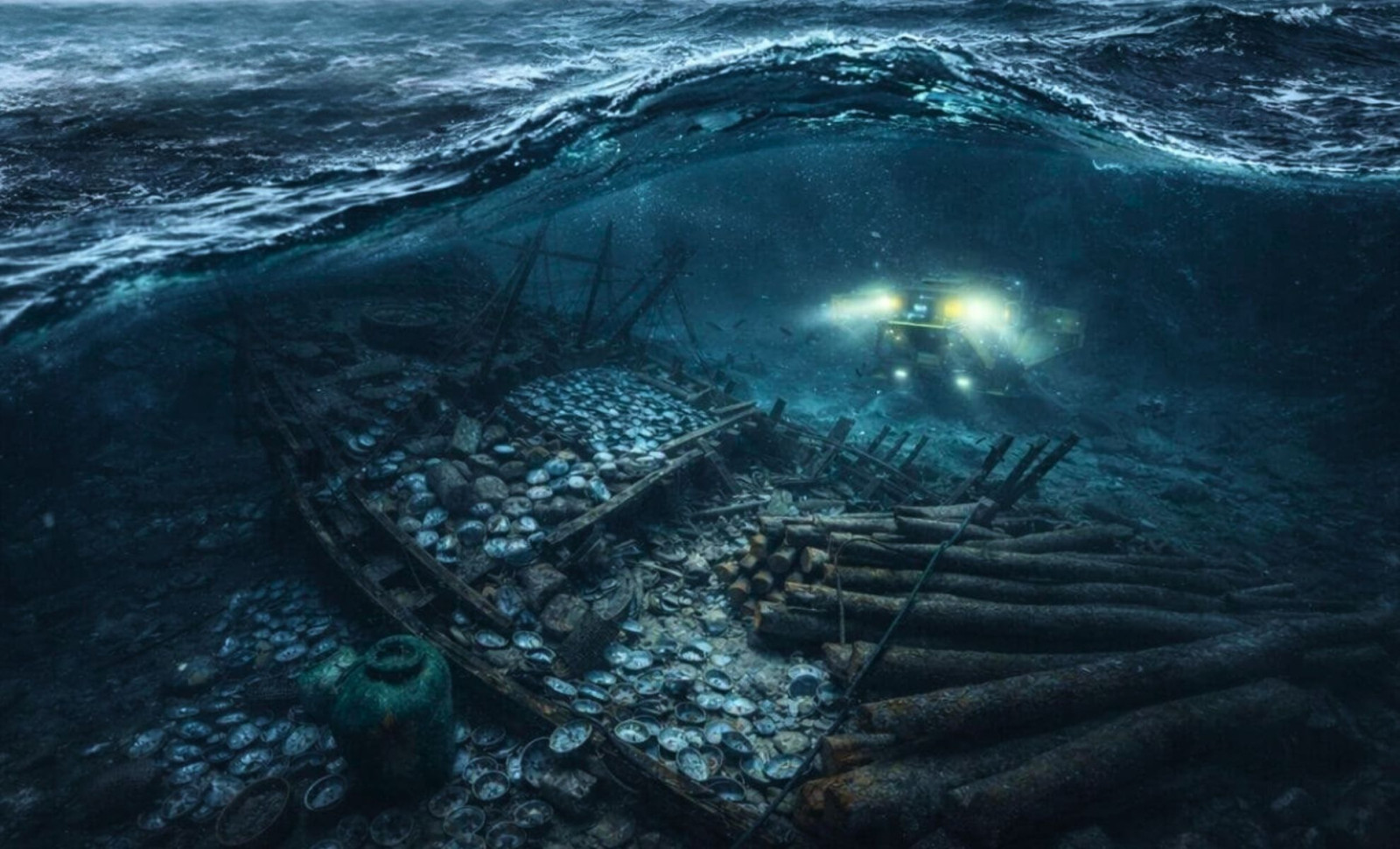
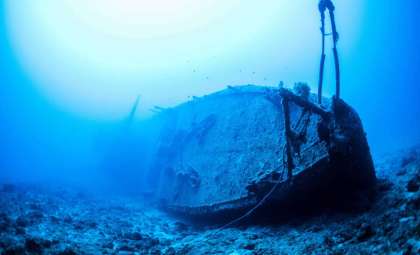
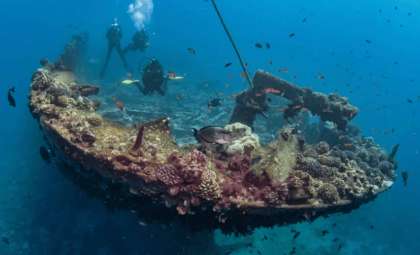
Situated 1,500 meters beneath the southern seas near Hainan, two shipwrecks dating back approximately 500 years have surfaced as remarkable windows into the past. Found in late 2022 and located merely 14 kilometers apart, these sunken vessels have preserved their cargoes against the dark, high-pressure ocean depths.
Chinese experts in archaeology embarked on an extensive multi-year project that culminated in 2023 and 2024, recovering hundreds of artifacts using advanced technologies such as deep-sea robotic systems, cutting-edge mapping, and underwater imaging tools created locally.
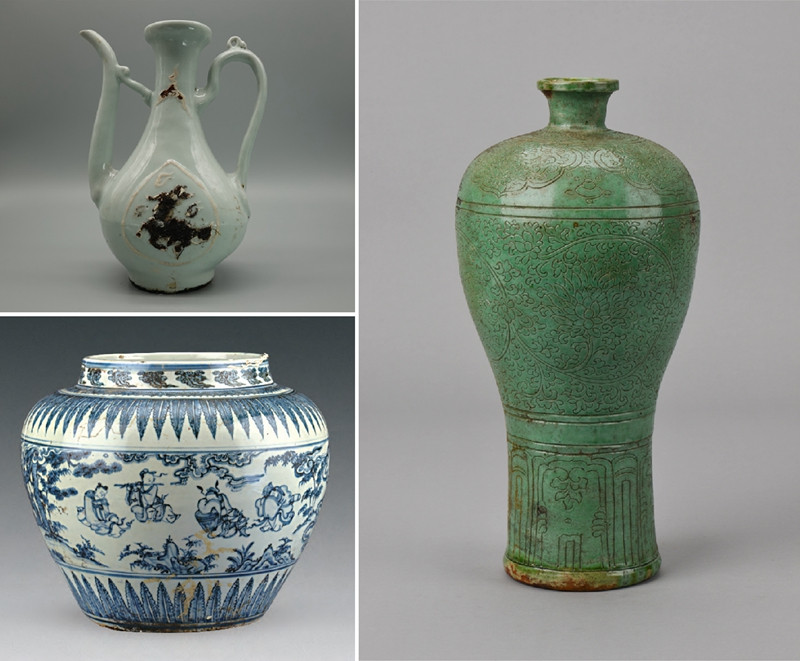
Over 900 relics from the Ming dynasty were recovered, encompassing a variety of goods that hint at active maritime trade networks both outbound and inbound. Preliminary studies indicate these ships were components of a systematic trade route linking China's coast with ports in Southeast Asia and beyond to the Indian Ocean starting in the early 1500s.

This exceptional find is among the most important maritime excavation efforts in East Asia, given the depth and preservation of the site.
Dual Wrecks Shed Light on Ancient Trading Patterns
According to reports from the National Cultural Heritage Administration (NCHA), the two wrecks yielded a combined total of more than 900 recovered cultural artifacts. Shipwreck No. 1 alone contributed 890 items, mostly porcelain, ceramics, and copper coins, while Shipwreck No. 2 surfaced with 38 artifacts, including timber, ornamental turban shells, porcelain, and deer antlers.
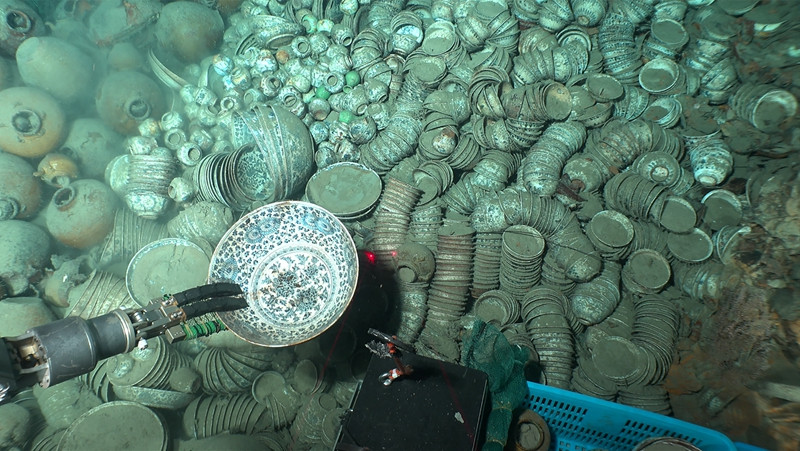
Both vessels date from the Ming period (1368–1644). A significant portion of the ceramics from Shipwreck No. 1 is believed to hail from Jingdezhen, a renowned imperial center famed for producing blue-and-white porcelain widely traded during the era.
The differing contents point to a reciprocal trading system. Shipwreck No. 1 likely carried goods ready for export to Southeast Asian markets, whereas Shipwreck No. 2 contained natural trade items commonly brought back to China, such as medicinal and decorative raw materials.
Innovative Submersibles Reveal Secrets of the Deep
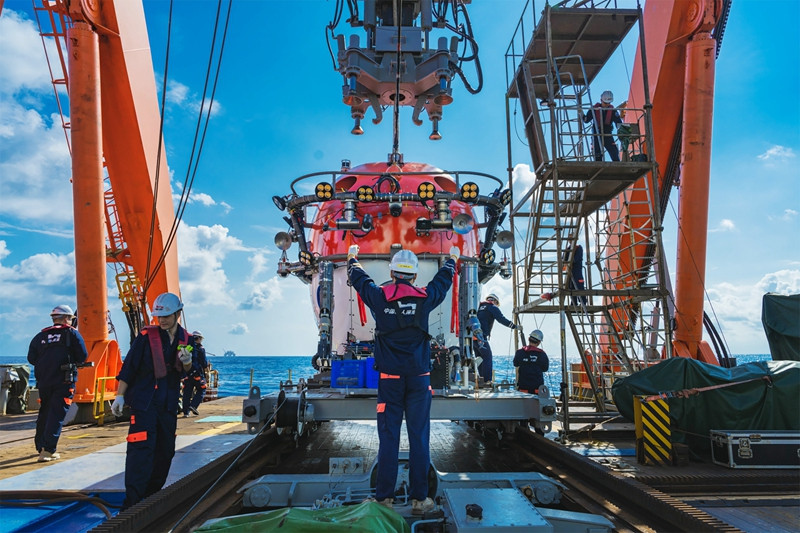
The recovery depended heavily on the use of advanced submersibles, particularly the manned Shenhai Yongshi (Deep Sea Warrior), engineered to endure extreme underwater pressures. Outfitted with high-definition cameras and 3D laser scanning technology, these vehicles enabled detailed site documentation and careful artifact extraction with minimal impact.
The official release underscored how underwater imaging preserved the spatial arrangement of the wrecks. For example, timber cargo was found neatly stacked, hinting the vessel may have sunk shortly after setting sail.
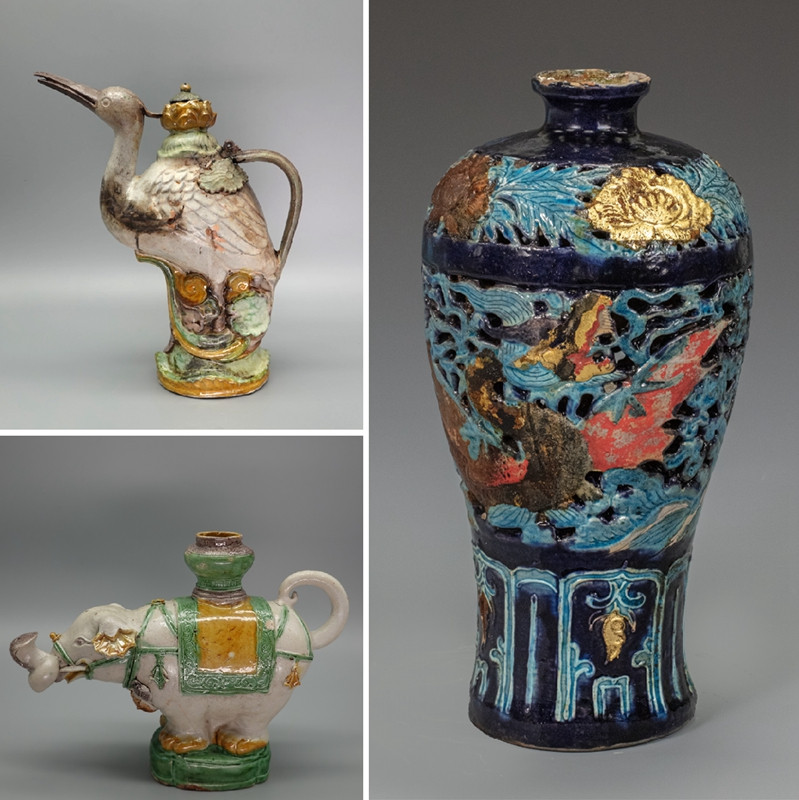
This groundbreaking endeavor pushes the boundaries of underwater archaeological techniques in China, extending beyond previous explorations limited to shallower waters. It illustrates a growing confluence between marine technology and the preservation of cultural heritage within national scientific initiatives.
Insights into Early Global Trade Routes Predating European Influence
The shipwrecks’ positions correspond to historic commerce lanes from the Ming dynasty, connecting China with key ports such as Malacca, Ceylon, and western India. The cargoes found align with bilateral exchange patterns involving exported porcelain and imported organic goods.
These discoveries bolster documented accounts of China’s maritime trade activity in the early 16th century. Thanks to the exceptional preservation, particularly of the ceramics, researchers can explore manufacturing processes, kiln origins, and logistical operations from a pivotal period in China’s economic history.
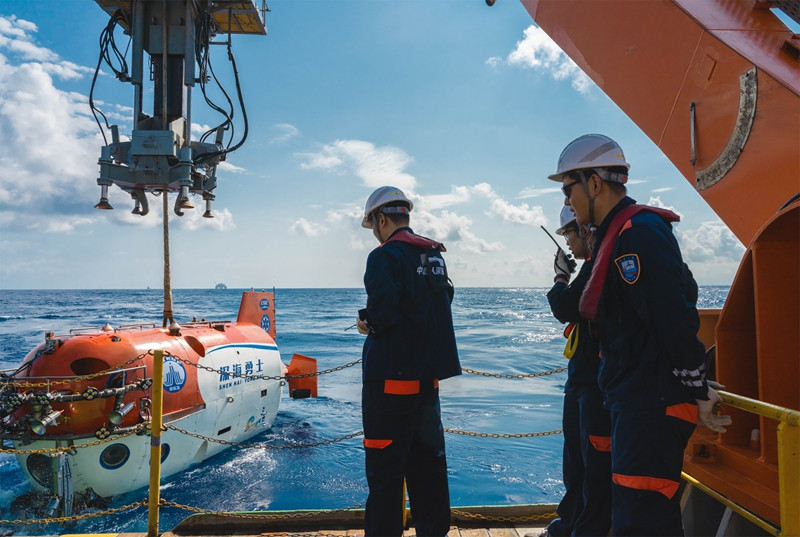
The 2024 report highlights that the porcelain retrieved maintained pristine glazes and painted motifs despite centuries underwater. These artifacts serve as concrete examples of trade standards and product quality during early Ming China’s global commerce.
Future Prospects for Deep-Sea Archaeological Exploration
Authorities described this mission as a landmark achievement for deep-sea cultural heritage explorations, acknowledging the technical complexity and immense scale of the project. The findings will inform upcoming efforts targeting other submerged heritage sites along ancient maritime routes.
It is estimated that over 10,000 artifacts remain on the ocean floor. Decisions on additional recoveries will consider logistical challenges, ecological preservation, and regulatory compliance. Assessments regarding artifact conservation, site integrity, and storage will guide these future undertakings.
Although the wrecks fall under Chinese jurisdiction and no competing discovery claims exist, geopolitical disputes in the South China Sea could impact the planning and transparency of subsequent explorations.
- Categories:
- News





0 comments
Sign in to Comment