
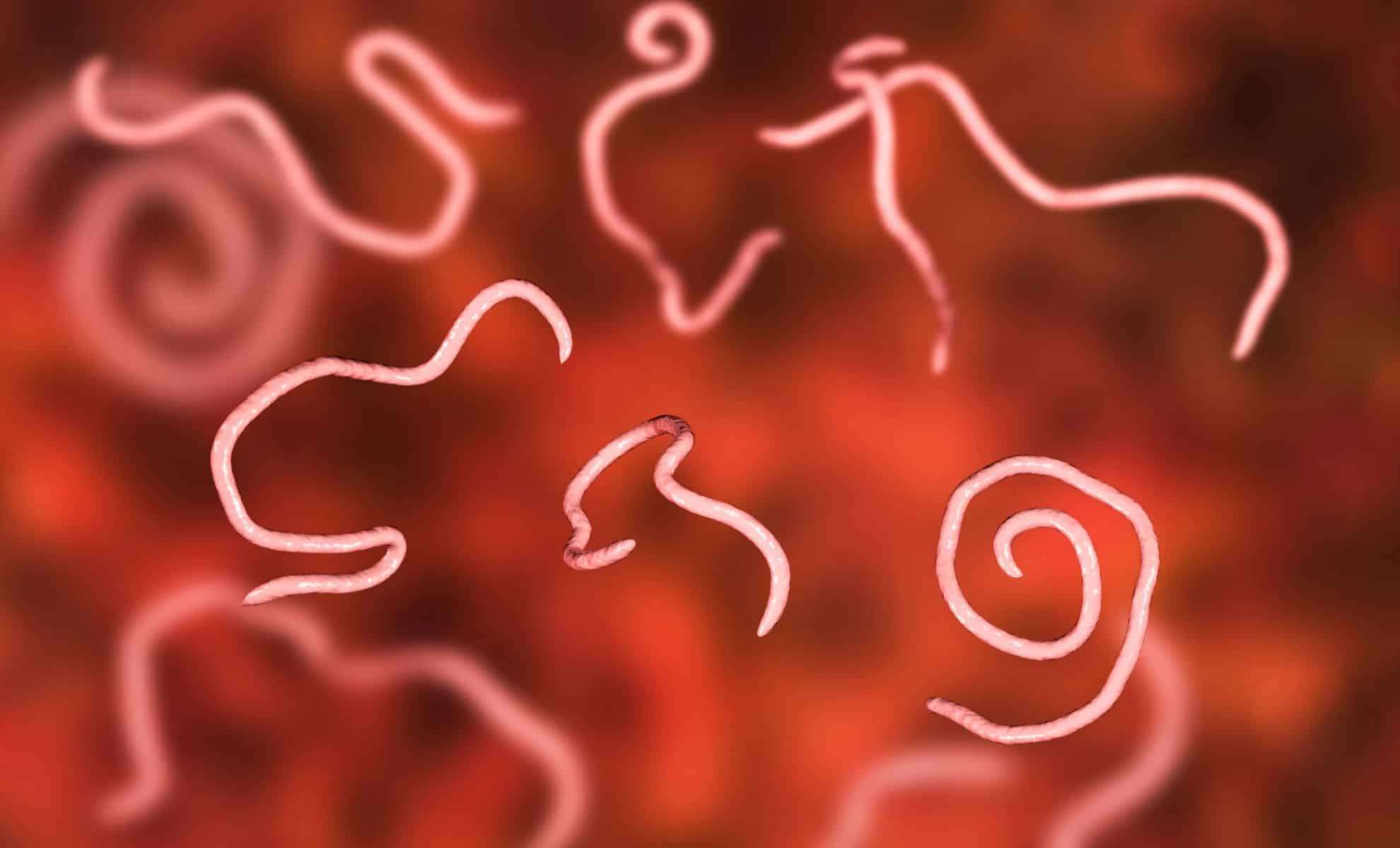
A 35-year-old male patient in India experienced a rare medical emergency involving severe urinary retention and fever. What began as a typical hospital visit soon led doctors to identify one of the largest parasites ever found in a human — a vibrant blood-red kidney worm stretching almost 12 inches in length.
An Unexplained Urinary Obstruction
Live Science reports that the individual was admitted after failing to urinate for two days while also presenting with a fever and swollen kidney symptoms. Although most vital signs were normal, doctors noticed rapid heart rate, pale complexion, and impaired kidney function. Initial treatment involved inserting a catheter and administering antibiotics, under the suspicion of a urinary tract infection or obstruction.
A Startling Find in the Urine Collection Device
On the second day, the patient observed a small, wriggling worm in his urine bag, mixed with slight blood traces. Medical staff promptly inspected the urine for additional parasites or eggs but found none. The worm specimen, however, was sent to microbiologists for detailed examination.

An Uncommon 30 cm Kidney Worm
The laboratory identified the parasite as Dioctophyma renale, commonly called the giant kidney worm—a nematode species that can grow exceeding one meter in females.
This particular worm was male, approximately 30 centimeters long. These parasites typically target the kidneys of mammals and, while prevalent in wildlife, human cases remain exceedingly rare.

Connection to Eating Raw Fish
Medical investigations linked the infection to the patient’s habit of consuming raw fish sourced from a nearby lake. He also revealed having previously passed similar worms but had not sought treatment.
The parasite’s larvae infect aquatic hosts like fish and amphibians, with humans typically contracting it by eating undercooked or raw animals harboring the larvae.
Uncommon But Potentially Dangerous
Though rare in humans, D. renale infections pose serious risks. The worm invades kidney tissue, often degrading it entirely.
In severe cases, removal of the affected kidney has been necessary. These parasites can survive inside the host for up to five years. As of 2019, global reports have confirmed only 37 human infections.
Patient Care and Follow-Up
In this case, the worm was expelled naturally through urination. The patient stayed under medical observation, but no further parasites were detected.
The hospital notes did not mention treatment with antiparasitic medications. The patient ultimately left the hospital against medical advice, raising concerns about ongoing infection risk and the need for continued monitoring.
Experts stress the importance of thoroughly cooking fish and amphibians to avoid such parasitic infections. This extraordinary case shines a light on the hidden health risks linked to certain dietary traditions.
While D. renale infections are exceptionally uncommon, their effects can be devastating and medically challenging.
- Categories:
- Science












0 comments
Sign in to Comment