
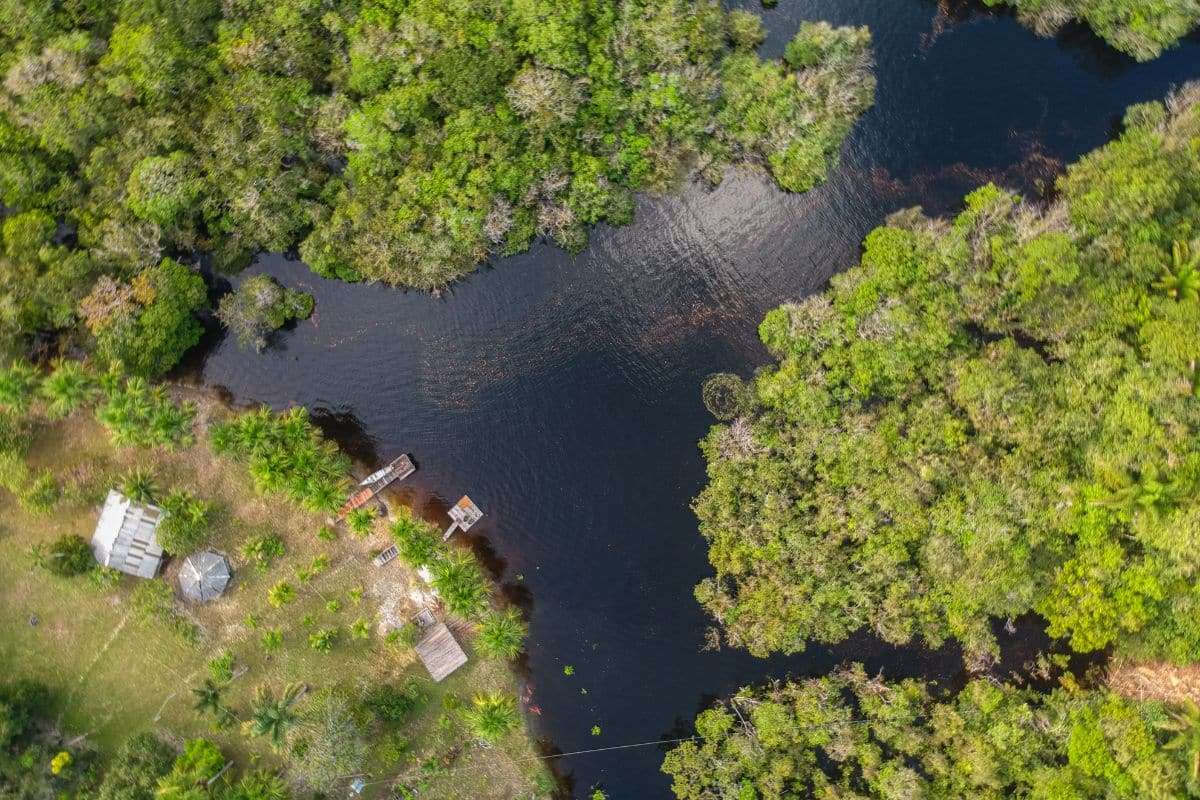
Researchers have unveiled more than twenty unique fish species previously unknown, discovered within Peru and the Amazon Basin. Highlights of this remarkable find include a distinctive blob-headed catfish, a diminutive pipehorse, and three novel pacu species, underscoring the vital need to investigate and conserve these rich yet delicate ecosystems.
Remarkable Fish From Concealed Aquatic Habitats
Leading the exploration, Dr. Trond Larsen from Conservation International’s Rapid Assessment Program conducted detailed surveys in Peru’s Alto Mayo region, revealing unexpected aquatic diversity. Alongside him, Dr. Marcelo C. Andrade of the Federal University of Maranhão studied Amazon Basin’s pacu populations, identifying hidden species within this group.
A particularly intriguing discovery was the blob-headed catfish, part of the armoured catfish genus Chaetostoma. Found in swift Peruvian streams, this fish features an enlarged head, a characteristic that has left scientists curious about its functional role.

Theories suggest this head morphology might assist in feeding habits, hydrodynamic efficiency, or adaptation to local environments, though further investigation is required. Meanwhile, distant from these freshwater habitats, marine biologists Dr. Louw Claassens and Dr. Richard Smith identified a tiny pipehorse species in South Africa’s Sodwana Bay.
At only two inches (5 cm) in length, this miniature relative of seahorses resides among sponges in shallow reef zones, exemplifying how even well-studied ecosystems harbor unknown creatures.
Community Partnerships Fuel Discoveries
The success of these explorations heavily relied on collaboration with local populations in Peru and South Africa. Indigenous peoples and fishermen, possessing intimate knowledge of these waters, guided teams to remote locations where these rare fish thrive.
Complementing traditional fieldwork, scientists employed advanced methods such as environmental DNA (eDNA) sampling and underwater camera traps to detect elusive species. These tools enable the detection of genetic material left behind in water, increasing the chances of identifying rare fish without disturbance.
Conservation Concerns and Urgent Protection Needs
These new findings arrive amid growing threats to vulnerable habitats from activities like deforestation, mining, and the impacts of climate change. Without timely conservation action, some of these newly discovered species risk becoming endangered before their ecological roles are fully understood.
Species such as the black-barred pacu face dual threats due to their value in both the ornamental fish market and local fisheries. Their visually striking patterns make them highly sought after by aquarium collectors, while Amazonian communities rely on them for sustenance and economic benefit.
In response, scientists are prioritizing research on population trends and developing conservation plans that harmonize environmental preservation with the needs of local people. Such efforts are essential to safeguarding the future of these fish and the human communities connected to them.
Endless Frontiers of Aquatic Diversity
As new fish species continue to be revealed across the Amazon and other biologically rich areas, these discoveries highlight the crucial role of conservation. By integrating indigenous knowledge, cutting-edge technology, and genetic data, researchers are expanding our understanding of underwater biodiversity.
With increasing human pressures on freshwater and marine ecosystems, identifying and protecting rare species has become more critical than ever. Every new species uncovered brings us closer to unveiling the intricate and vast network of life beneath the water’s surface.
- Categories:
- Science












0 comments
Sign in to Comment