
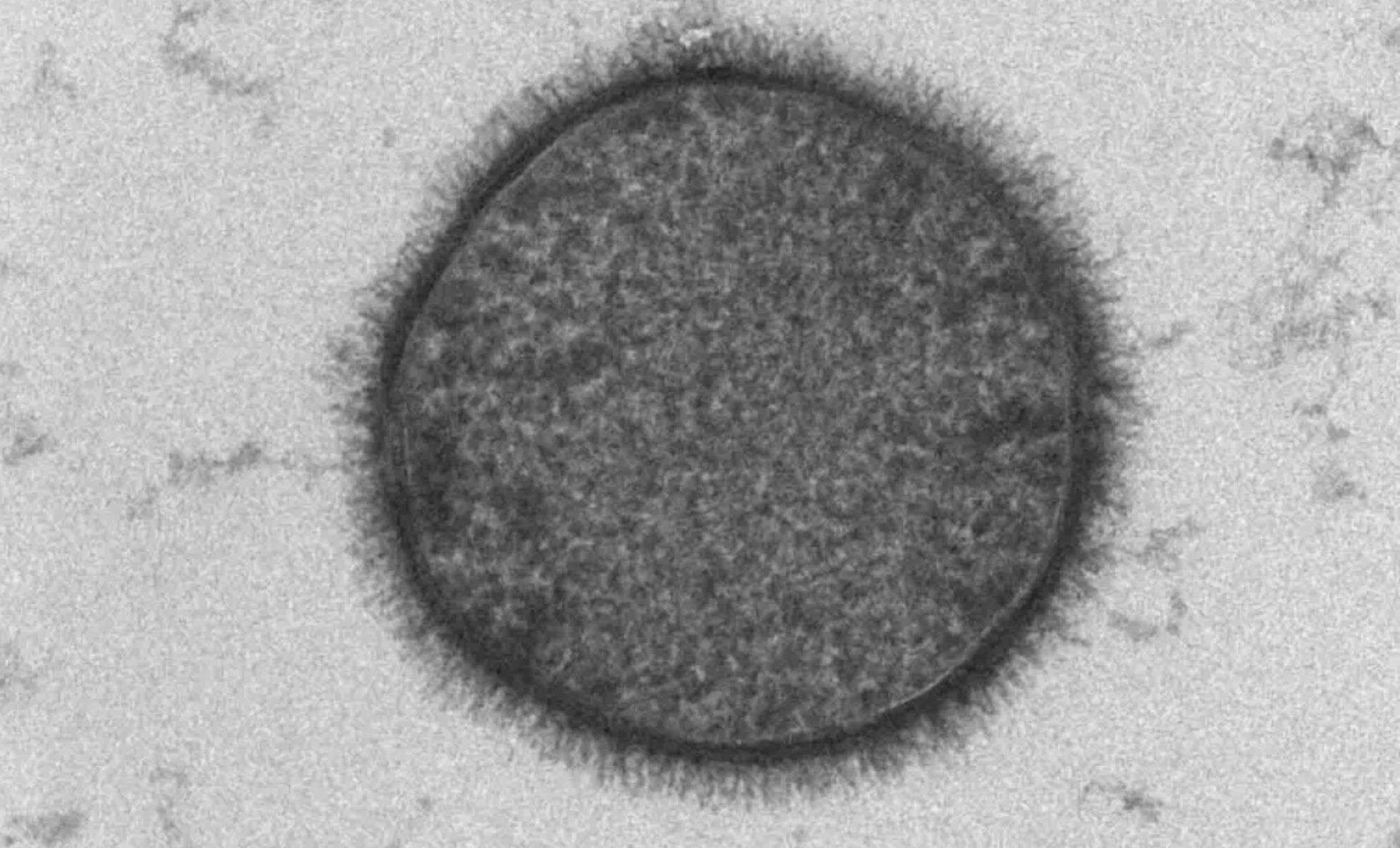
It’s well established that astronauts carry a vast array of microbes into space, including bacteria that are both beneficial and possibly harmful to human health. However, scientists have had limited insight into how these microscopic passengers withstand the intense forces involved in rocket launches and returns.
Recently, a team from Australia published research in NPJ Microgravity revealing that Bacillus subtilis, a bacterium important for gut health and immune functions, can survive the extreme physical stresses encountered during a spaceflight without any noticeable damage. These results can help improve microbiome management for long-duration space missions, while also highlighting concerns about contaminating extraterrestrial environments.
Testing Bacterial Survival During Launch and Reentry
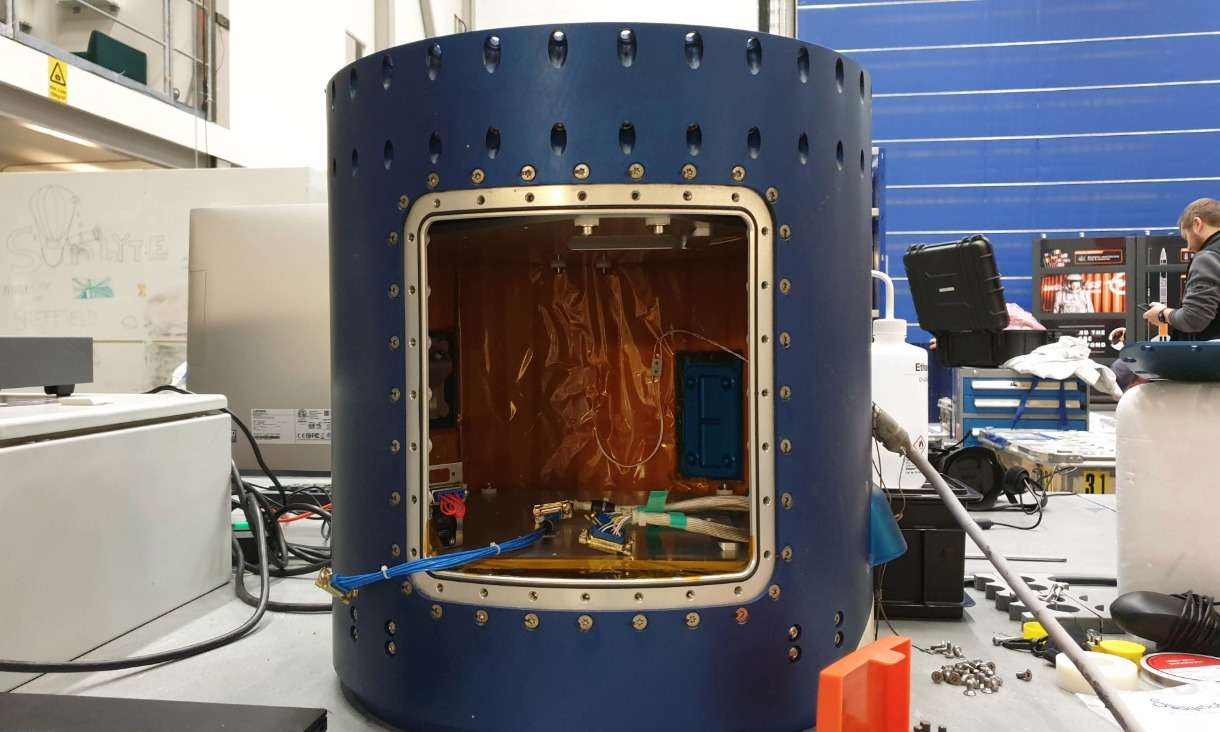
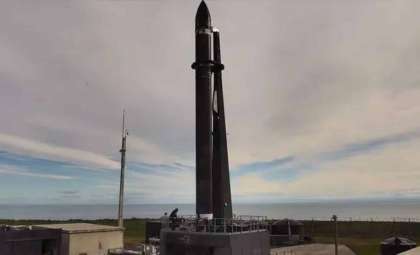
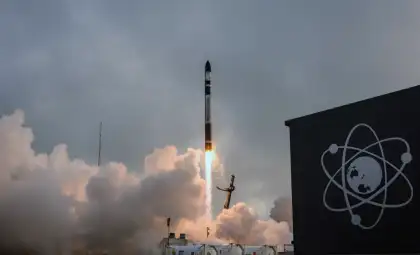
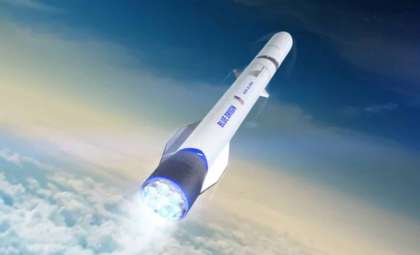
The experiment was conducted using a two-stage sounding rocket launched from Sweden’s Esrange Space Center. Led by scientists at RMIT University, with support from the startup ResearchSat and Sweden’s Space Corporation, freeze-dried B. subtilis spores were enclosed within a specially designed 3D-printed microtube holder placed in the rocket payload.

During flight, the rocket endured acceleration up to 13 g, crossed the Kármán line to reach 257 kilometers altitude, and remained in microgravity for over six minutes.
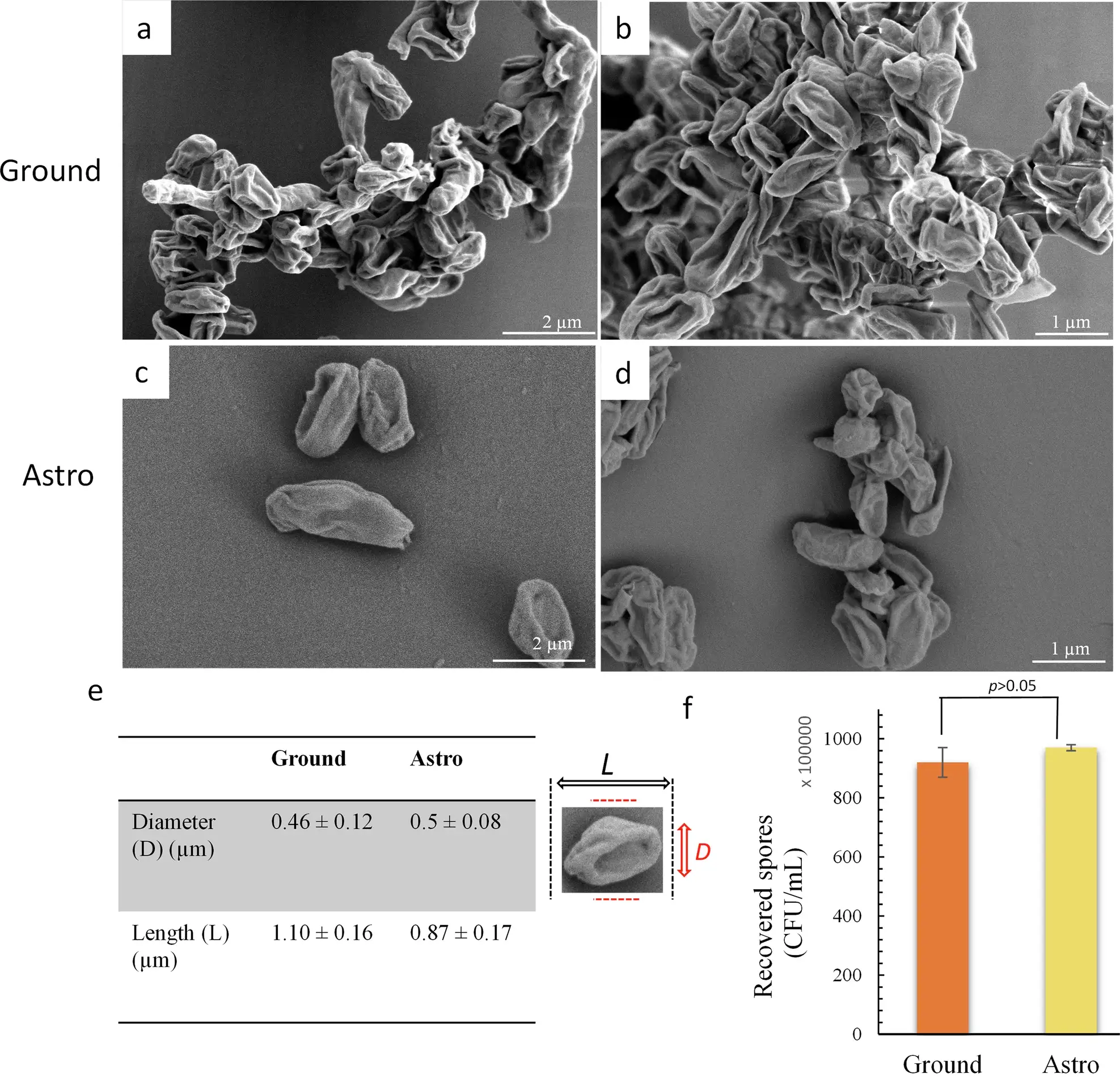
The study explains that the descent subjected the capsule to even harsher conditions: spinning at 220 rotations per second and facing deceleration forces reaching 30 g before parachute deployment. Remarkably, recovered spores displayed no structural or functional differences compared to unflown controls, confirmed via scanning electron microscopy which showed unchanged morphology and germination capacity.
Maintaining Microbial Health in Space Conditions
B. subtilis and similar microbes are more than just stowaways; they play vital roles in digestion, immune function, and even psychological well-being, as commented by Professor Elena Ivanova, a contributor to the study. Keeping these bacteria viable throughout all mission stages is critical to sustaining astronaut health in space.
While past investigations have evaluated how bacteria behave during extended stays on the International Space Station, such as shifts in gene activity and antibiotic resistance, fewer have examined survival through the drastic mechanical stresses of launch and landing. This study stands out by addressing this crucial phase.
“Our research showed an important type of bacteria for our health can withstand rapid gravity changes, acceleration and deceleration,” Ivanova said, as reported by ZME Science.
Implications for Planetary Contamination
The ability of terrestrial microbes to survive harsh spaceflight conditions sparks important concerns about planetary protection. If bacteria like B. subtilis endure unshielded journeys through space, they may also survive missions to Mars or other planets, risking unintended biological contamination.
ZME Science highlights that such resilient microbes could complicate efforts to detect native Martian life, as Earth organisms might establish themselves and interfere with analyses. Though the Australian team primarily focused on astronaut well-being, their findings could influence sterilization methods and contamination prevention protocols for future interplanetary exploration.
- Categories:
- News





0 comments
Sign in to Comment