
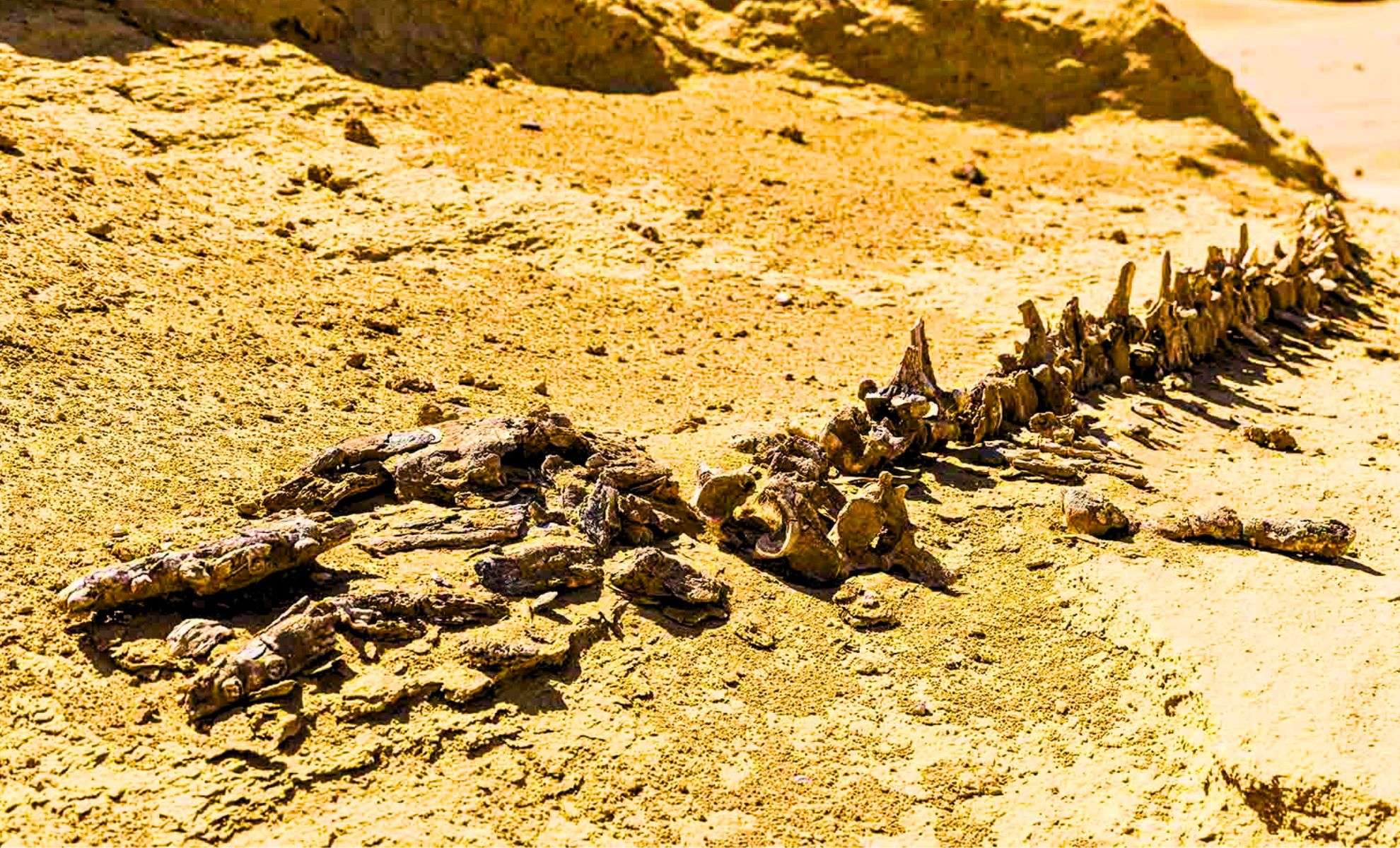
Long before the Sahara Desert became a vast expanse of sand, this region was submerged beneath a shallow, tropical sea filled with diverse marine life. Today, Egypt’s Western Desert holds an extraordinary collection of fossilized skeletons that unveil a surprising chapter of evolution: whales with legs that once roamed land before adapting to aquatic life.
Wadi Al-Hitan, or the “Valley of the Whales,” is a remarkable paleontological site situated roughly 150 kilometers southwest of Cairo. It contains a rich assembly of early whale fossils, some notably preserving their hind limbs complete with toes and feet. These fossils date back over 37 million years to the late Eocene period, representing a pivotal time when mammals were evolving from land to aquatic habitats.
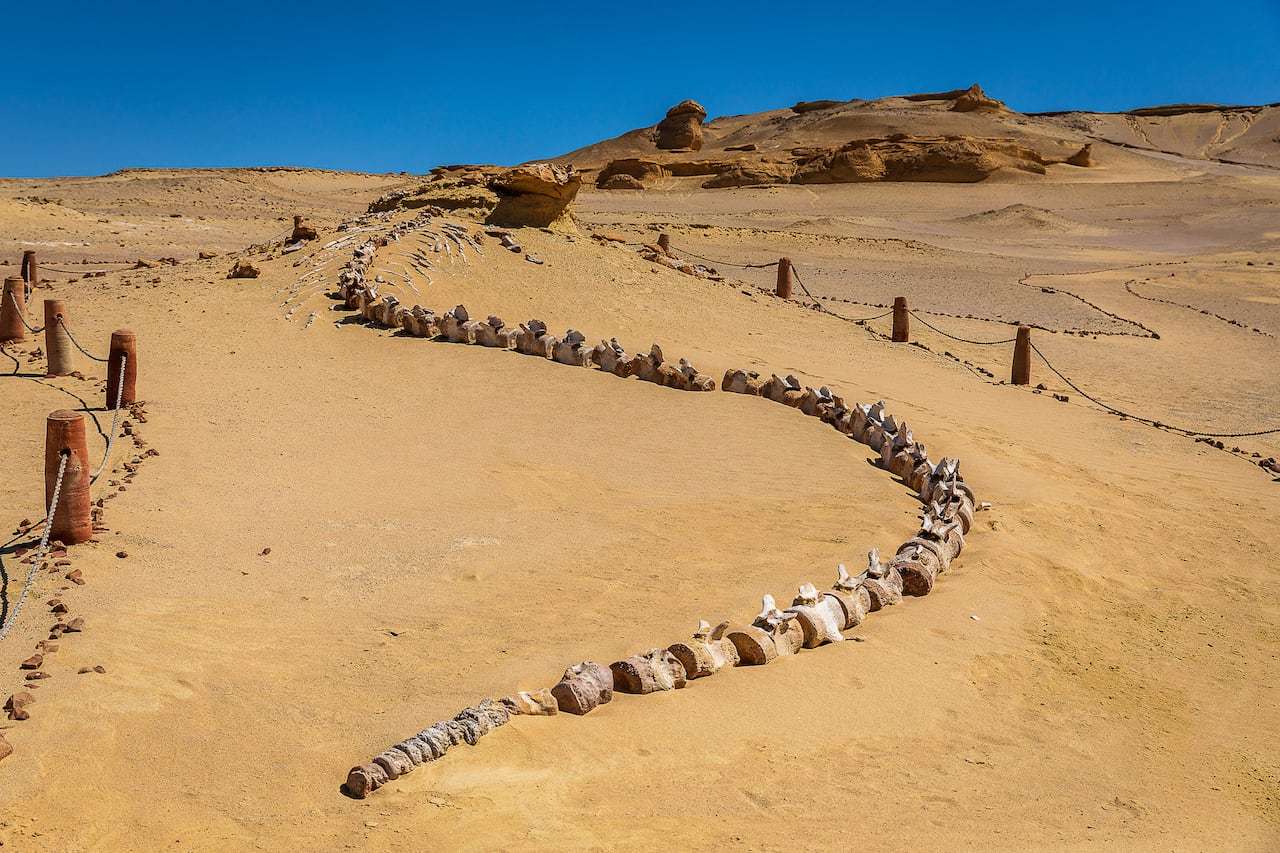
Wadi Al-Hitan serves as a key piece in understanding cetacean evolution. The site’s fossils mark a critical evolutionary stage when whales still retained distinct terrestrial traits. Uniquely, many of these specimens are superbly preserved and articulated, resting exactly where these ancient creatures once lived and died beneath the sea.

Since its initial major finds in 1902, Wadi Al-Hitan has attracted global scientific attention. More recent excavations uncovered fascinating insights about the behavior and interactions of these early whales, shedding light on their ecological roles and hunting strategies.
Terrifying Ancient Ocean Hunter Revealed
In 2010, led by paleontologist Manja Voss, researchers discovered an almost complete Basilosaurus isis specimen here. Stretching nearly 18 meters, this snake-like whale was a dominant predator of its era. Yet, the extraordinary detail was found inside its fossilized remains.
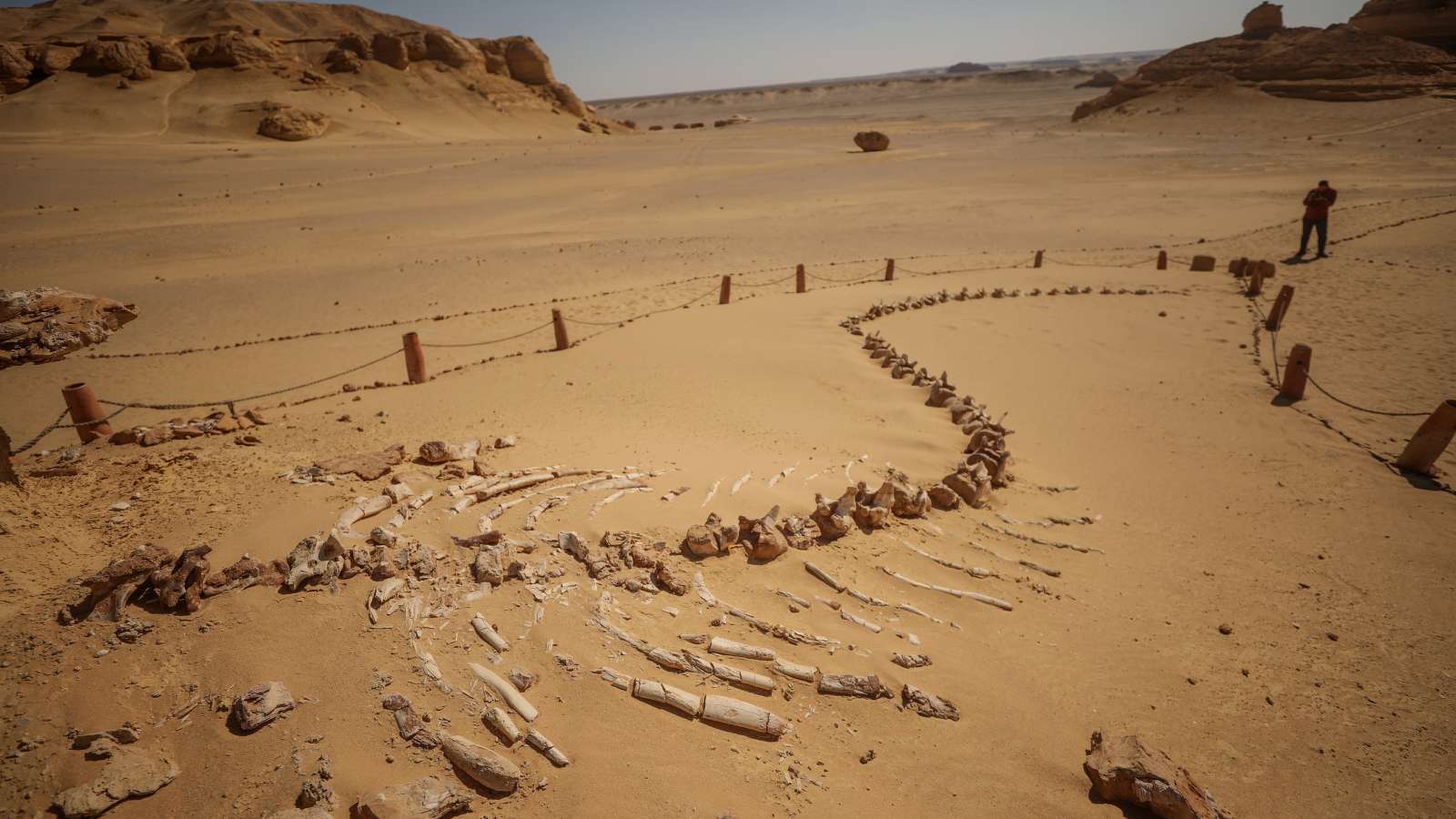
Nested between its ribs were the partial skeletons of juvenile whales belonging to a smaller species, Dorudon atrox, alongside bones from the large bony fish Pycnodus mokattamensis. Nearby, researchers found a shark tooth embedded in the fossil bed. A 2019 peer-reviewed report published in PLOS ONE presented this as the first direct evidence of Basilosaurus' diverse diet, offering rare insight into ancient marine food webs.
“It was clearly a feeding ground,” explained Voss, highlighting the bite marks found on juvenile Dorudon skulls. Some victims were newborns while others bore injuries suggesting violent attacks similar to those executed by today’s apex predators, such as orcas. Basilosaurus thus appears to have been an aggressive marine hunter, preying even on its evolutionary relatives.
Exceptionally Preserved Fossil Site
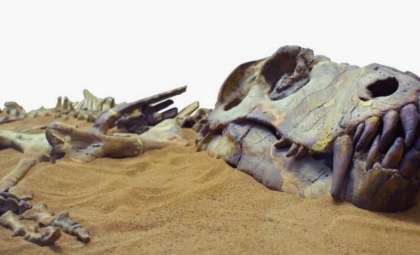
The fossils at Wadi Al-Hitan are remarkable not only for their abundance but also for their outstanding preservation. Thanks to the arid climate and gradual sediment accumulation, these skeletons have remained largely intact over millions of years. Unlike many fossil locations where remains are scattered or broken, the animals here often lie complete, as if frozen in their final moments.

Most fossils occur within layers of greenish glauconitic sandstone, remnants of the ancient seabed. Designated a World Heritage Site by UNESCO in 2005, Wadi Al-Hitan provides unparalleled evidence of the whale evolutionary history worldwide.
Currently, this desert basin operates as a protected open-air museum, part of the broader Wadi El-Rayan Protected Area. Access is limited to minimize disturbance, with visitors traversing designated trails past embedded fossil skeletons. It’s a rare site where conservation and education merge, inviting both scientists and the public to witness the bones that transformed our understanding of life’s evolution.
The Evolutionary Transition From Land to Ocean
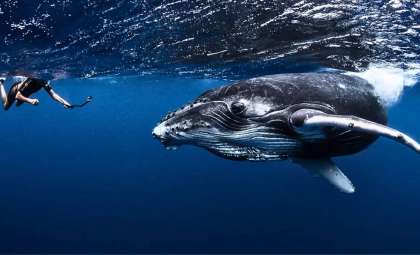
Wadi Al-Hitan’s fossil whales belong to the extinct suborder Archaeoceti, which bridges the gap between terrestrial mammals and today’s fully aquatic cetaceans. Their anatomy is especially revealing: the presence of tiny but functional hind limbs, absent in modern whales, highlights their transitional nature. These limbs were too reduced to aid swimming but serve as indisputable evidence that whales once walked on land.
Modern whales retain only vestigial pelvic bones deep inside their bodies, but these ancient species still displayed external limbs, confirming they were midway through evolutionary adaptation. Evolution is a gradual process, remodeling existing features into new roles, and Wadi Al-Hitan preserves this transformation in vivid detail.
- Categories:
- Science






0 comments
Sign in to Comment