
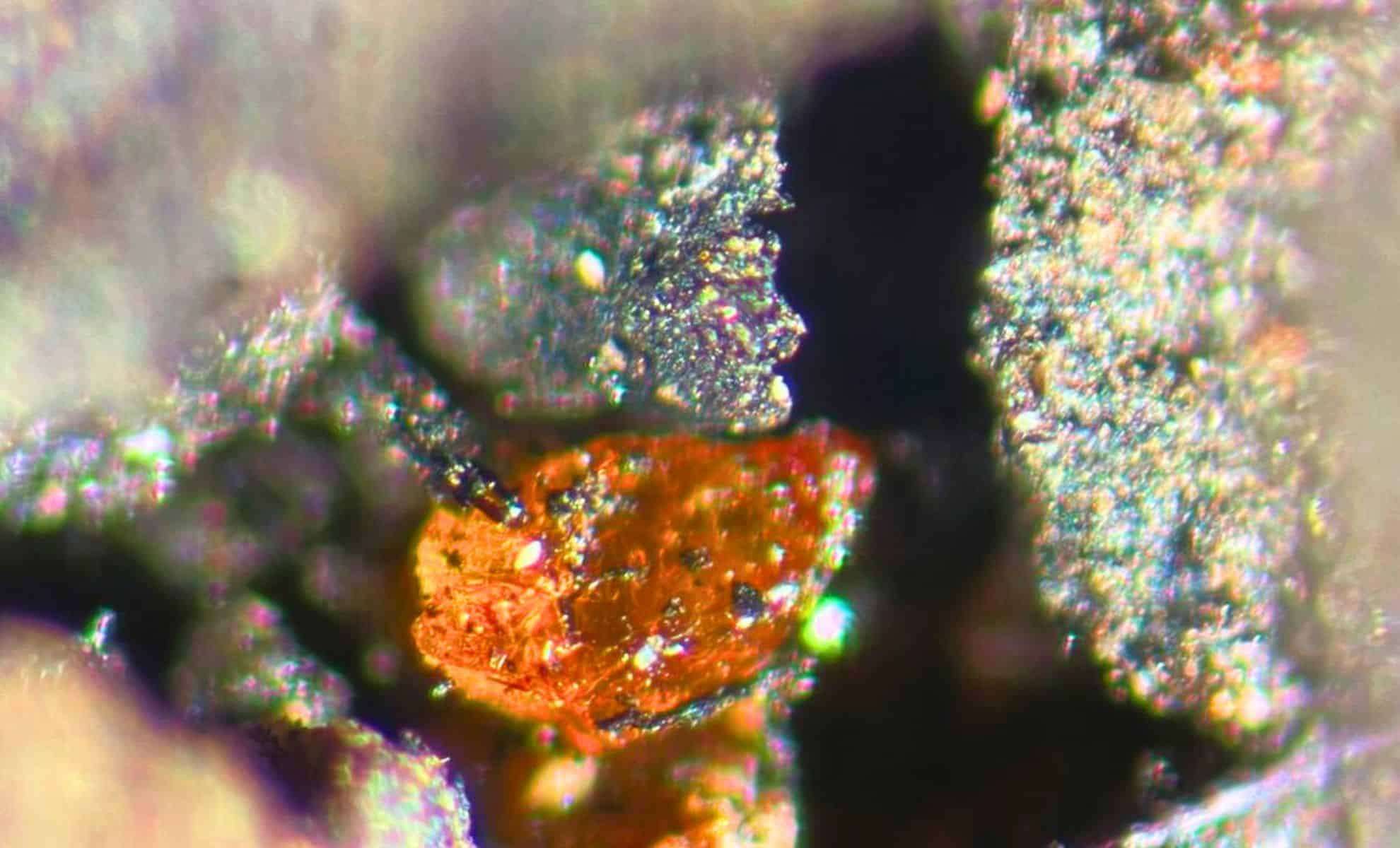
A groundbreaking find in Antarctica challenges previous assumptions about the icy continent. Researchers in Germany have uncovered amber dating back 90 million years, shedding light on a period when Antarctica was covered in thick forests and abundant with life.
Revealing Antarctica’s Hidden History
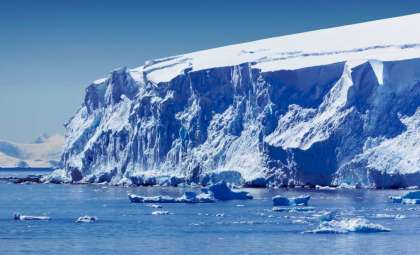
While today’s Antarctica is known for its frozen, barren terrain, this discovery tells a different story. The presence of amber—tree resin preserved as fossils—indicates that the previously ice-bound continent was once home to temperate rainforests full of towering trees and rich biodiversity. This evidence dates back to the Cretaceous period, a warm era when dinosaurs roamed globally.
Johann Klages, a marine geologist at the Alfred Wegener Institute, emphasized the significance of the find: “It is thrilling to discover that at some stage, all seven continents supported resin-producing forests under favorable climate conditions.”

Key Proofs of Antarctica’s Verdant Past
- Amber Deposits: Indicate resin-secreting trees once flourished here.
- Ancient Root Fossils: Underground remnants revealing forest ecosystems.
- Pollen and Spores: Microscopic remnants confirming diverse flora.
- Age Confirmation: Fossils dated to the Cretaceous, about 90 million years ago.
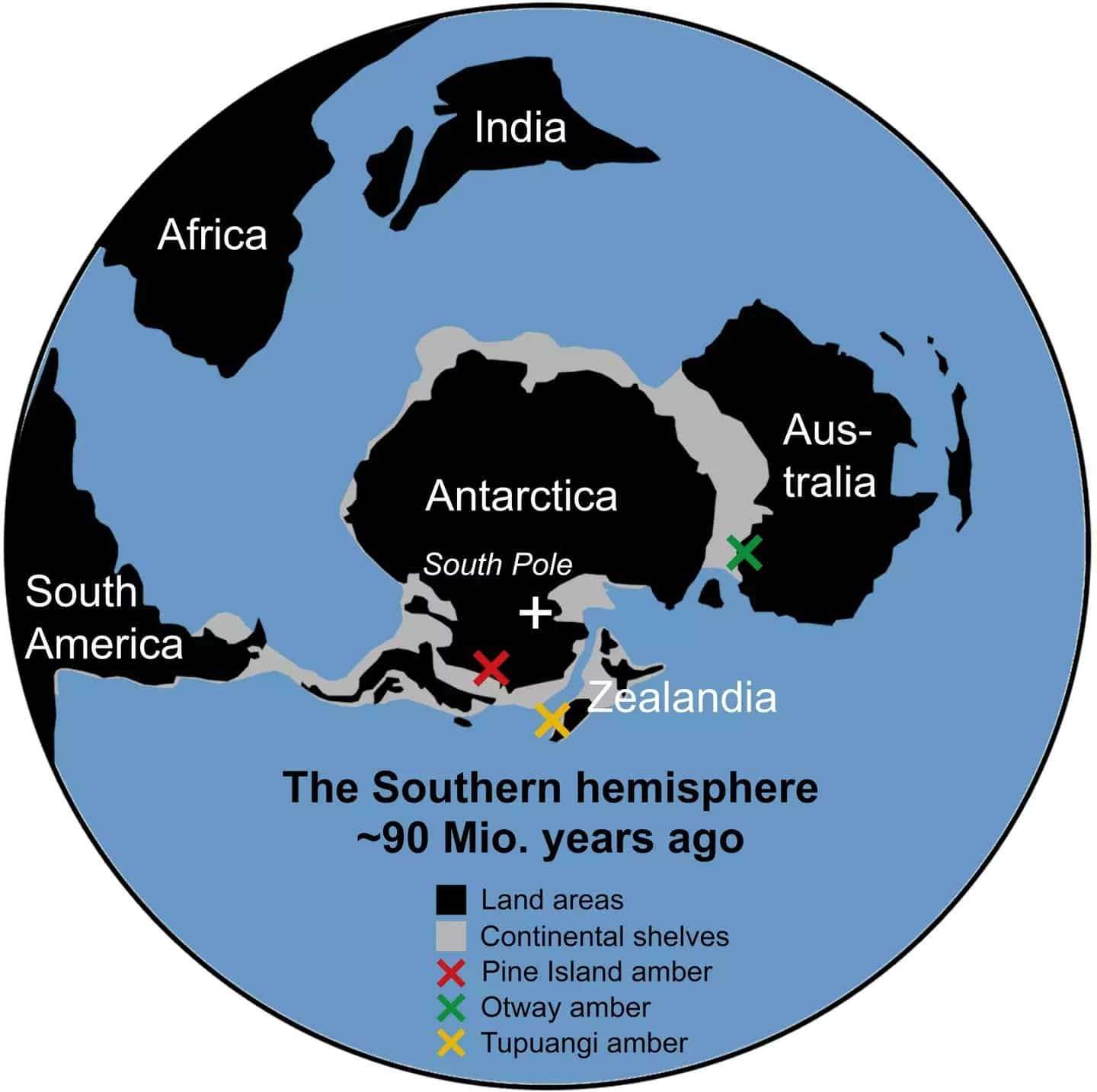
Amber: A Portal to Prehistoric Life
This amber is more than just ancient resin; it serves as a gateway to unravel Antarctica’s prehistoric ecosystems. Scientists are investigating whether natural disasters like wildfires or other devastating events impacted these forests. By studying inclusions trapped in the amber, they hope to find preserved plants, insects, and microbes that once thrived in the region.
Amber Characteristics
An Ice-Free Antarctica Long Ago
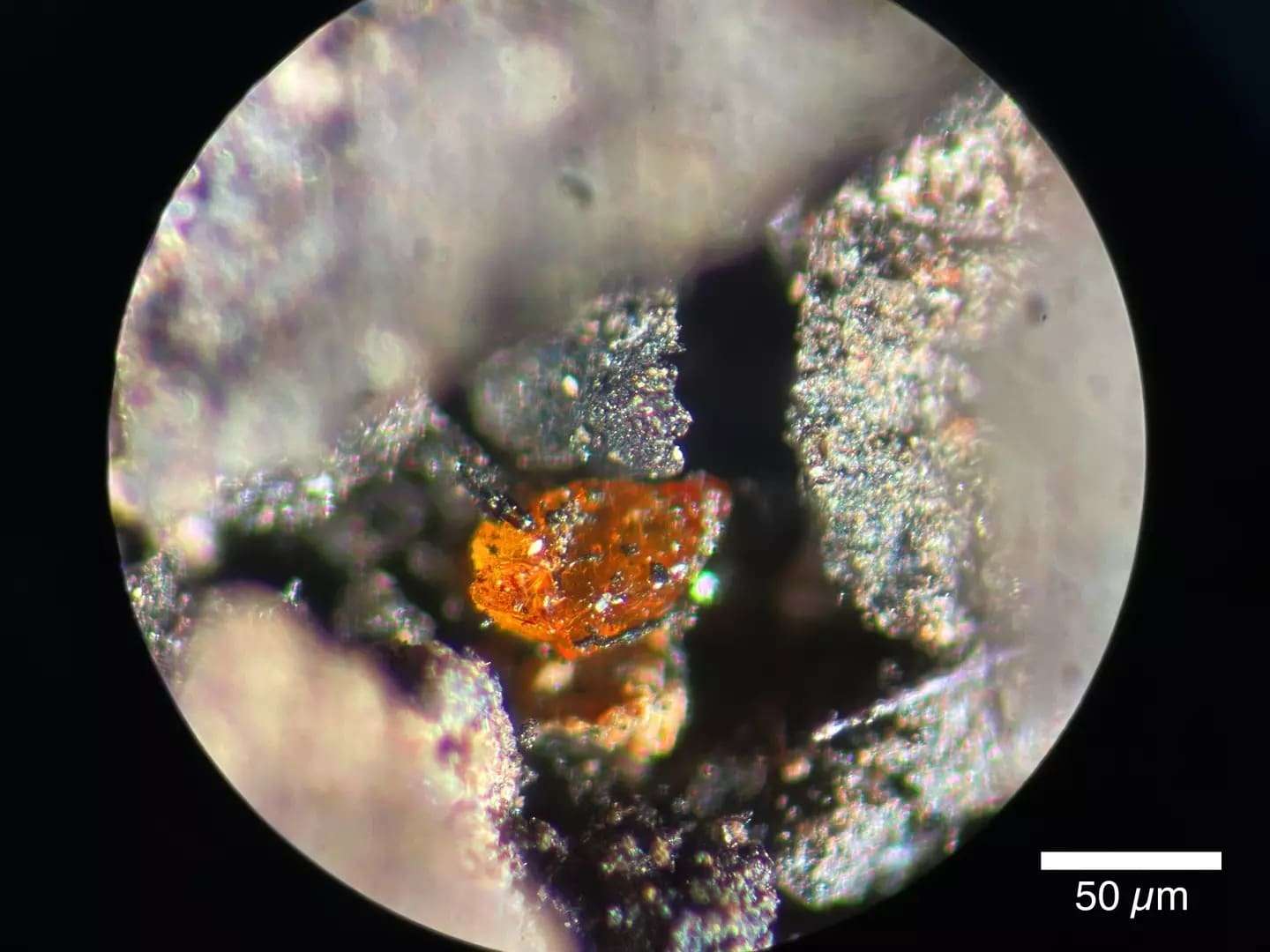
Between 145 and 66 million years ago, during the Cretaceous period, Earth experienced a much warmer climate, with continents drifting apart from the supercontinent Pangaea. This warmth allowed rich rainforests to grow even in polar regions like Antarctica. The discovery of amber along with other fossils depicts a vibrant, swampy landscape, a stark contrast to the continent’s current icy state.
Cretaceous Climate Overview
- Warmer Global Temperatures: Significantly higher than present-day averages.
- Polar Environment: Likely resembled modern temperate rainforests.
- Elevated CO2 Levels: Contributed to the warmer global climate.
Looking Ahead
This groundbreaking amber discovery paves the way for future in-depth studies. Scientists aim to investigate Antarctica’s ancient ecosystems in detail and unravel why these forests disappeared. This research could offer vital clues about Earth’s climatic past and possible future changes.
Upcoming Research Plans
- Amber Analysis: Detect biological remains encased in resin.
- Forest Environment Studies: Explore conditions supporting ancient tree growth.
- Investigation of Extinction Events: Pinpoint factors behind climate changes in Antarctica.
- Climate Prediction Models: Utilize findings to forecast Earth’s warming trajectory.
It is evident that Antarctica’s history holds more complexity and intrigue than once imagined. Continued research into this ancient chapter could unlock crucial knowledge about the Earth’s environmental evolution.
- Categories:
- Science





0 comments
Sign in to Comment