
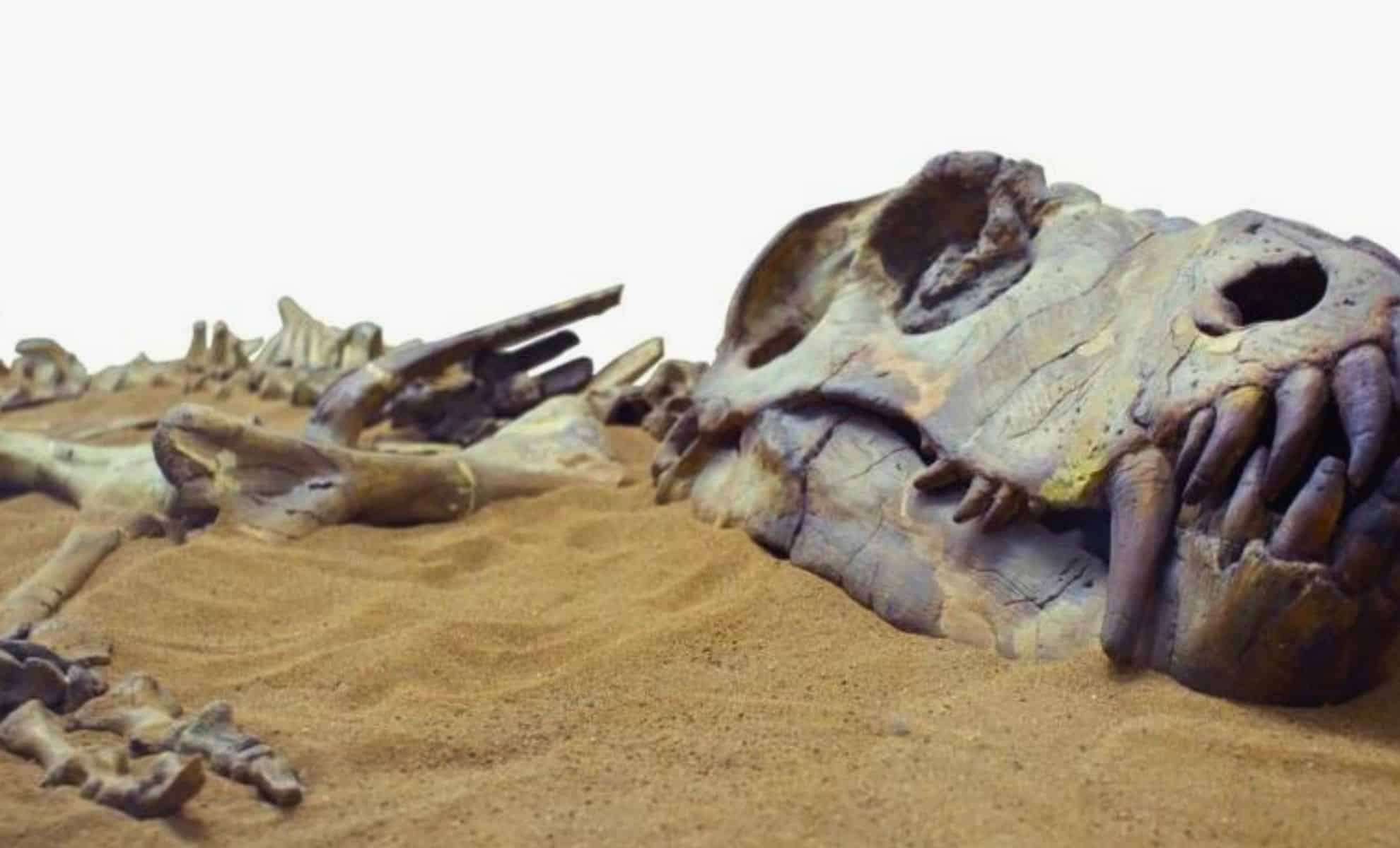
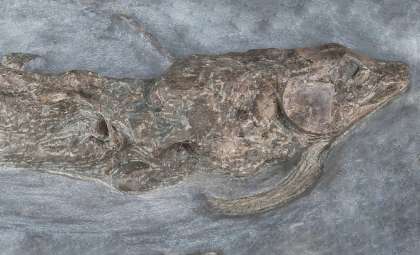
In the arid regions of southern Peru's Ocucaje Desert, researchers have made a fascinating discovery: the fossilized remains of a juvenile gharial crocodile dating back approximately 12 million years. This exceptionally well-preserved specimen, the most recent juvenile gharial fossil to date, provides valuable clues about the evolution and development of these ancient aquatic predators.
A Rare Find in the Heart of Ocucaje
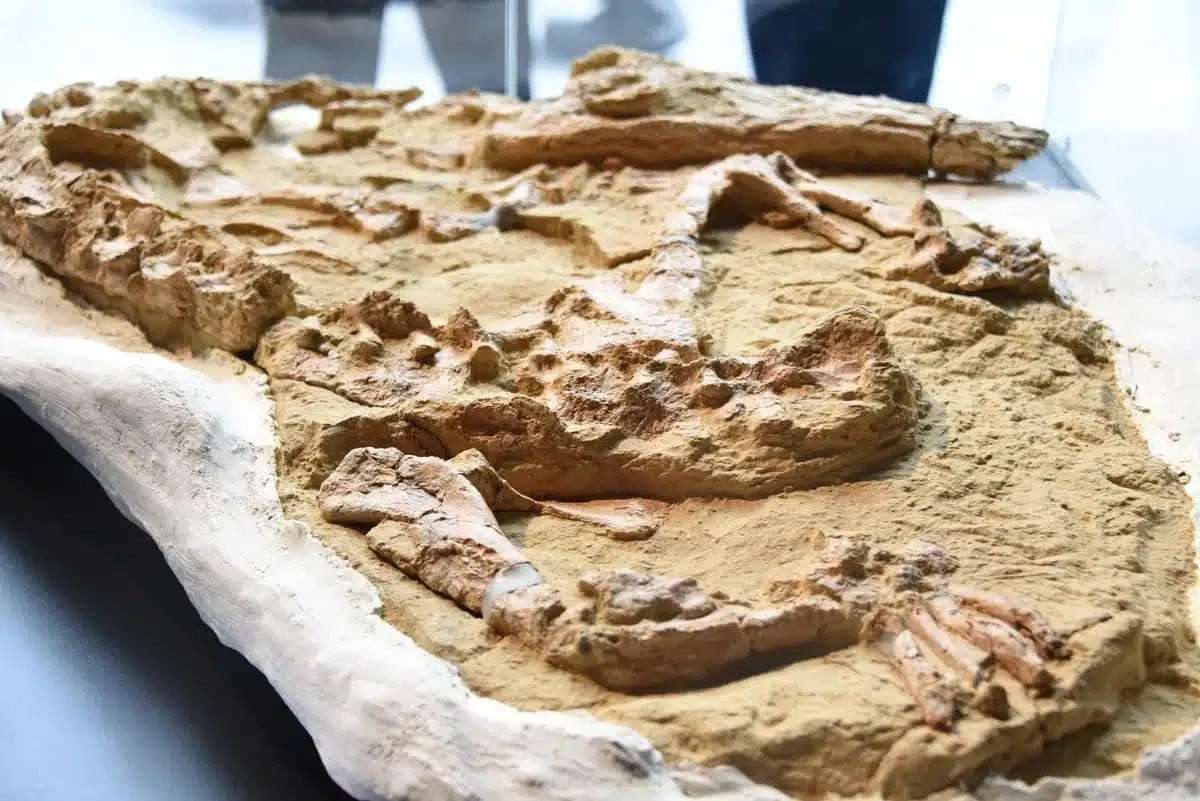
The Ocucaje Desert, long known for its wealth of fossilized marine creatures, revealed this unexpected treasure in 2023 when a team from the Geological, Mining, and Metallurgical Institute of Peru (INGEMMET) and Colegio La Unión uncovered a nearly complete young gharial fossil.
Measuring around three meters in length and originating from the Miocene epoch, this fossil dates between 10 and 12 million years ago, when the area's environment was far more lush and water-rich than today's desert. The juvenile gharial, characterized by its elongated muzzle and sharp teeth, was an adept fish hunter suited to the prehistoric waterways that once flowed through the region.

This discovery is particularly notable as it represents the first known fossil of a juvenile gharial, offering a rare window into the early life stages of these reptiles. Lead paleontologist Mario Gamarra emphasized the specimen's significance, stating that it may fill gaps in understanding the growth, ecology, and dominance of gharials in ancient ecosystems. He highlighted its value in reconstructing their developmental biology and ecological roles.
Exploring the Ancestry of Prehistoric Crocodilians
Gharial crocodiles belong to the crocodyliform lineage, a group that has existed for over 200 million years. The species discovered is an ancient relative of today’s Indian gharial, which remains endangered and found primarily in South Asia.
While modern gharials inhabit riverine environments, their ancient counterparts were more widespread, living in coastal and freshwater habitats. Their distinctive narrow snouts allowed them to efficiently catch fish. Some prehistoric species even reached immense sizes, growing as large as nine meters, solidifying their status as apex predators within their ecosystems.
The juvenile gharial fossil opens the door to deeper investigation into these reptiles' life histories, including their growth trajectories, feeding habits, and survival strategies during their formative years. Researchers hope to learn more about how young gharials adapted to their surroundings and evolved into dominant hunters. This find may be key to understanding these aspects.
Ocucaje Desert: A Fossil Haven Connecting Past and Present
Located roughly 350 kilometers south of Lima, the Ocucaje Desert is celebrated as one of the world’s richest fossil sites. It has given scientists critical insights into prehistoric marine mammals like whales, dolphins, and enormous sharks that once inhabited ancient Peruvian waters.
Another remarkable discovery from 2023 was that of Perucetus colossus, a massive whale species dating back 39 million years, initially thought to be the heaviest creature to ever exist. While subsequent research refined its status, this finding further emphasizes Ocucaje’s outstanding paleontological importance.
Each fossil uncovered in this desert adds an important chapter to the story of ancient life, illustrating how species evolved, adapted to environmental shifts, and vanished. The juvenile gharial contributes a crucial piece to this narrative, reaffirming Peru’s key place in uncovering Earth’s deep evolutionary history.
- Categories:
- Science




0 comments
Sign in to Comment