
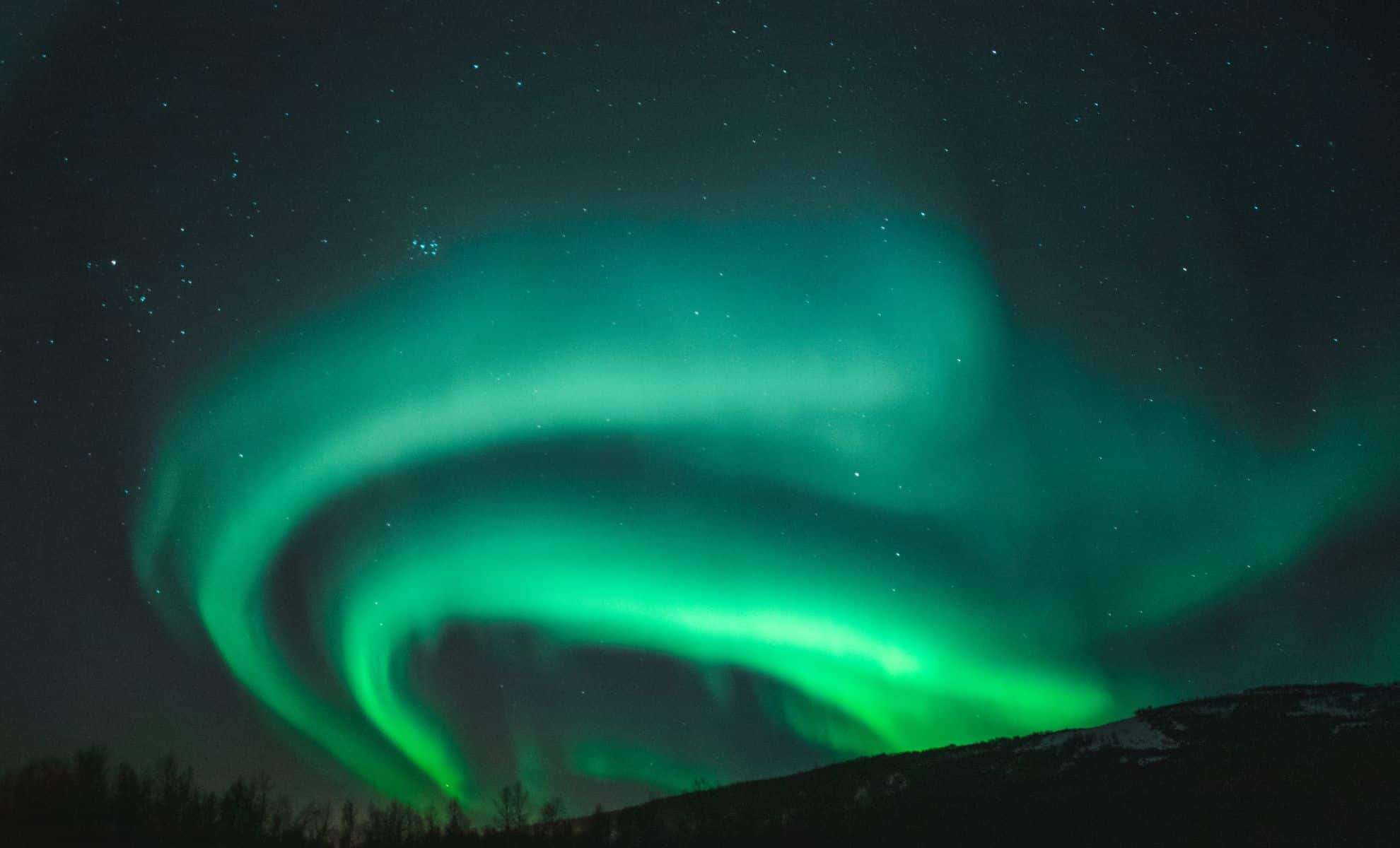
Experts are raising alarms about the dangers posed by direct solar shockwaves hitting Earth's magnetosphere, which can create dazzling auroras but also jeopardize essential infrastructure.
According to research published in Frontiers in Astronomy and Space Sciences, enhanced prediction capabilities are vital to shield electrical networks from severe damage.
Interplanetary Shockwaves and Their Influence on Earth
These shockwaves stem from solar phenomena called coronal mass ejections (CMEs), which are immense bursts of magnetic fields and high-speed charged particles expelled from the Sun. CMEs can travel through space at extraordinary speeds, sometimes reaching up to 1,900 miles per second.

When these solar shocks slam into Earth’s magnetic shield, they compress it dramatically, often sparking vibrant auroral light shows. Dr. Denny Oliveira from NASA’s Goddard Space Flight Center, the study’s lead author, stated, “Auroras and geomagnetically induced currents originate from the same space weather mechanisms.
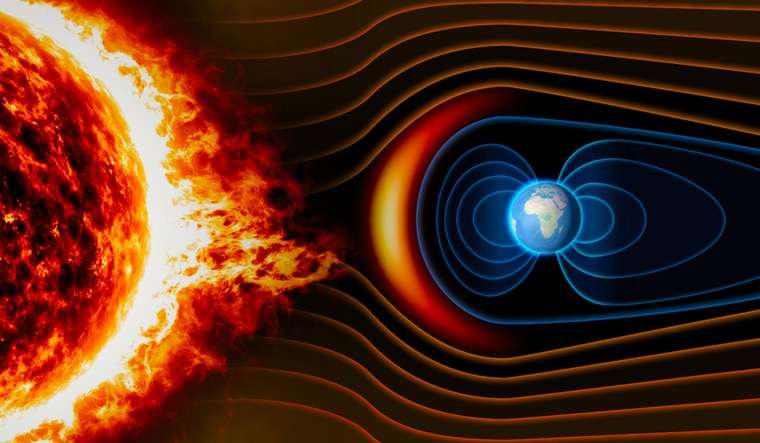
The aurora is not just a beautiful phenomenon; it serves as a sign of electric currents flowing through space, generating these geomagnetically induced currents on Earth’s surface.” These geomagnetically induced currents (GICs) pose risks to electricity-carrying infrastructure like power grids, oil and gas pipelines, railway systems, and underwater cables.
The report stresses the importance of understanding how these shocks behave. Interplanetary shocks striking Earth head-on produce more intense GICs than those arriving at an angle, due to the greater compression of the magnetic field caused by direct impacts.
Oliveira further explained, “During severe geomagnetic storms, the area affected by auroras can extend far beyond its usual boundaries—normally near 70-degree latitude, but during intense events like the May 2024 storm, it reached as low as 40 degrees or lower, marking the most severe storm in twenty years.”
Tracking and Assessing Geomagnetically Induced Currents
Scientists analyzed a detailed archive of interplanetary shocks and compared it with measurements from a natural gas pipeline in Mäntsälä, Finland, a region frequently under auroral influence and vulnerable to GICs during strong solar activity.
The analysis demonstrated that shocks hitting Earth directly create more pronounced GIC spikes than angled shocks. The largest GIC peaks were observed near “magnetic midnight,” when the north magnetic pole lies between the Sun and Mäntsälä on Earth’s dark side, coinciding with localized geomagnetic substorms and intensified auroral displays.
Oliveira emphasized the critical nature of these revelations: “Our findings reveal that significant geoelectric currents routinely follow shocks and warrant close monitoring. The most damaging historical example was the March 1989 geomagnetic storm, which caused a major blackout in Canada’s Hydro-Quebec system, affecting millions for nearly nine hours.”
Protecting Infrastructure and Advancing Research
Forecasting the arrival angle of interplanetary shocks up to two hours in advance offers a vital opportunity to take protective action for sensitive infrastructure. Oliveira suggested, “Utilities can mitigate risks by managing specific power circuits during shock warnings, reducing the impact of geomagnetically induced currents and prolonging equipment lifespan.” Implementing such preventive strategies can help maintain the reliability of critical services.
The team also called for broader data sharing from global power operators to enhance understanding of shock effects. “Currently, data is limited to the Mäntsälä natural gas pipeline,” Oliveira noted. “Expanding access to information from diverse regions and infrastructure types would deepen insights into how these phenomena affect different systems worldwide.”
Facing the Upcoming Solar Maximum
Approaching the next solar maximum, when solar activity peaks, the frequency and intensity of interplanetary shocks are expected to intensify. This heightens the urgency to perfect forecasting models and adopt protective measures against these disruptive space weather events.
The study highlights the critical need to comprehend space weather and its impacts on Earth. Enhanced prediction and preparedness can safeguard infrastructure and ensure ongoing service stability.
In summary, while the Northern Lights provide a spectacular natural show, they also signal powerful solar forces at work. Improving our ability to anticipate and respond to interplanetary shocks is essential to protect modern technological infrastructure and maintain essential services.
As Oliveira remarked, “The aurora acts as a visible alert that space-borne electric currents can induce hazardous currents on the ground.” This research not only deepens our knowledge of space weather but also underlines necessary measures to shield critical technologies from its risks.
- Categories:
- Astronomy ,
- News ,
- Space ,
- Nasa





0 comments
Sign in to Comment