
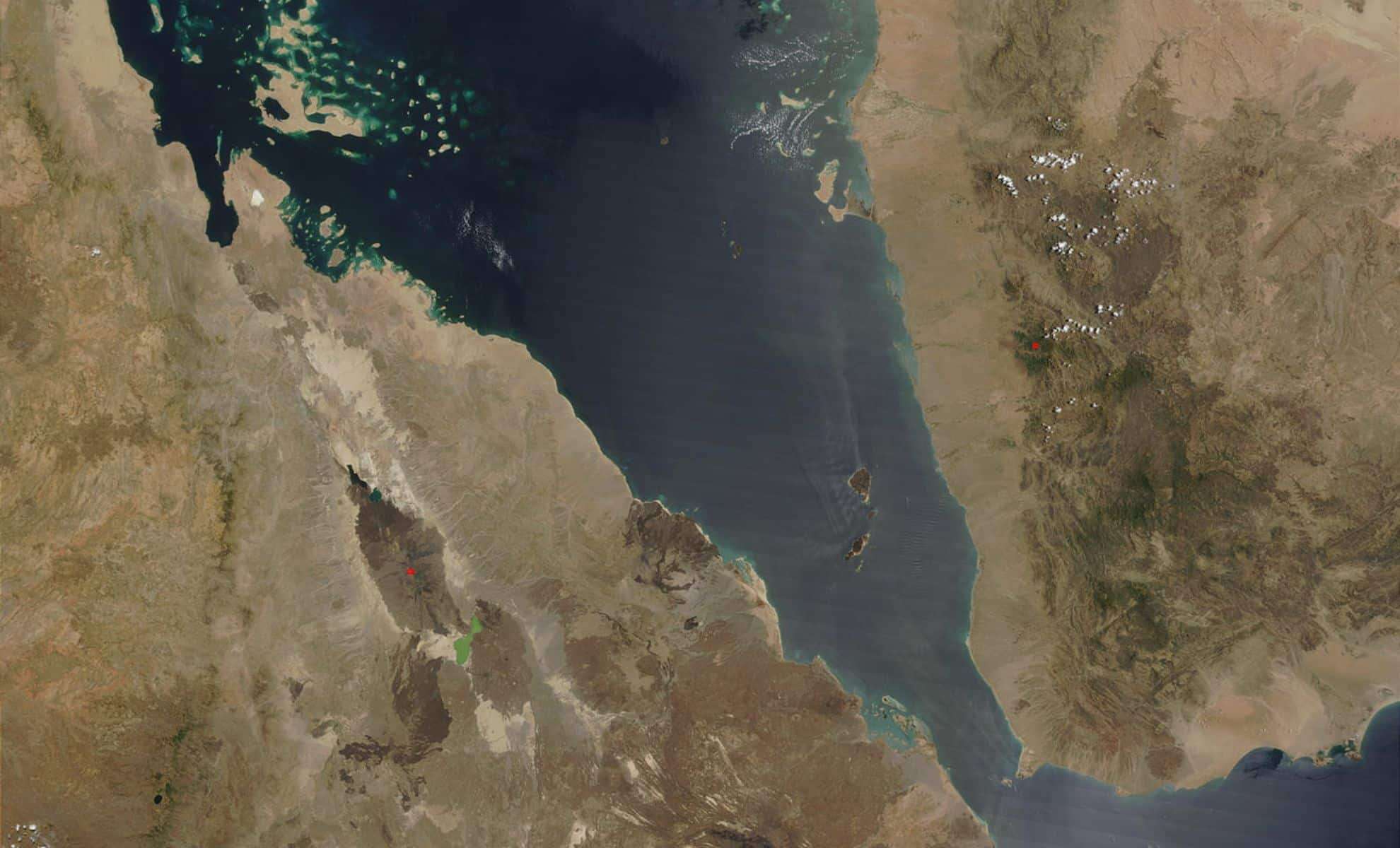
The Earth’s crust constantly undergoes subtle but powerful transformations due to the movement of tectonic plates. Though these shifts happen gradually, recent research from the University of California, Santa Barbara reveals an extraordinary geological development in Eastern Africa that may lead to the birth of a new ocean much sooner than scientists once believed.
This phenomenon is a part of the broader process known as continental drift. Current projections indicate that the East African Rift could evolve into the foundation of a new ocean basin, and potentially even form a new continent, all happening on a surprisingly accelerated schedule.
A Significant Geological Rift
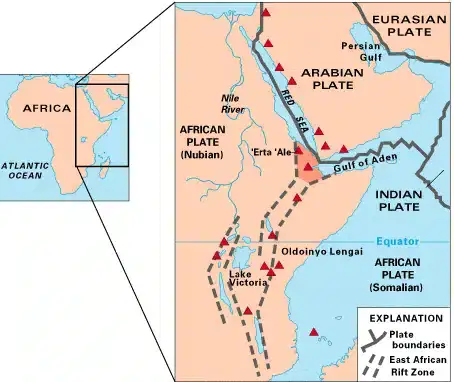
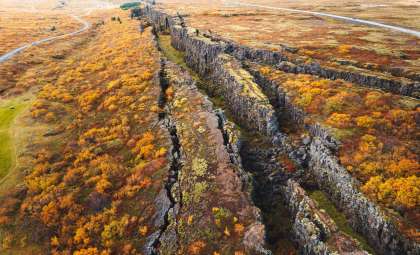
For over 22 million years, the East African Rift has been the site of a monumental tectonic event. Stretching around 2,000 miles through Ethiopia, Kenya, and Tanzania, this fissure marks the division between the Somali and Nubian tectonic plates, which are gradually pulling away from each other.

The expanding rift remains active and is on track to eventually allow ocean waters to flood in. Professor Ken MacDonald of UC Santa Barbara highlights that the speed at which the plates are diverging implies that this ocean formation process might occur much more rapidly than once anticipated.
According to MacDonald, in the next 1 to 5 million years, the Indian Ocean could spill into the rift zone, effectively separating Eastern Africa from the mainland. While still a vast timespan in human terms, this is significantly faster than earlier estimates that projected periods of tens of millions of years for such drastic changes.
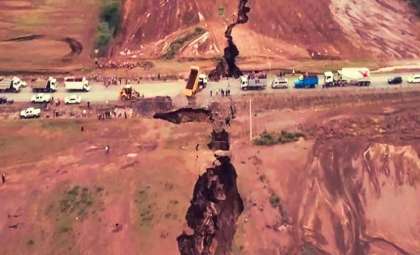
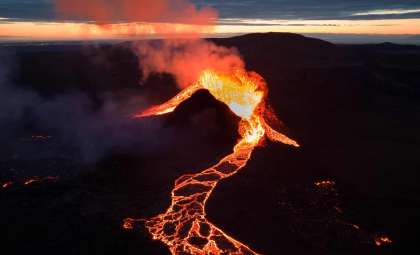
“From a human perspective, the transformation won’t be immediately obvious,” MacDonald remarked, adding that the most noticeable effects will be increased seismic activity and volcanism rather than the sudden rise of an ocean.
The Force Behind Plate Movements
Tectonic plate dynamics are a gradual yet formidable force continually reshaping Earth's landscape over millions of years. The ongoing split between the Somali and Nubian plates is just the latest episode in tectonic history. Previous rifting produced the Gulf of Aden and the Red Sea, and now the East African Rift may lead to the appearance of a fresh ocean basin—remarkably, at a quicker pace than usual.
Geologist Dr. Sarah Stamps of Virginia Tech notes that the northern section of the rift is experiencing the most rapid expansion. “Ocean formation is expected to begin where extension rates are highest—in the northern zones,” she said. Although the plates are moving only a few millimeters annually, over geological timescales, this slow drift results in significant geological developments.
Insights from Africa’s Great Lakes
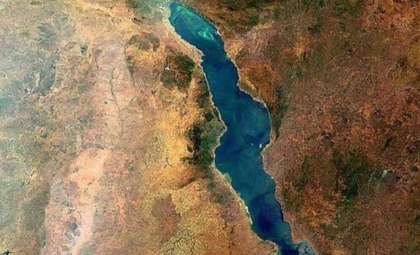
The geological tug-of-war driving the East African Rift is also responsible for the formation of Africa’s Great Lakes, such as Lake Victoria, Lake Tanganyika, and Lake Malawi. These vast lakes serve as visible proof that the continent’s split is well underway, with large surface depressions forming as land separates.
Ex-NASA consultant Alexandra Doten identifies these lakes as tangible signs of ongoing continental drift. “These lakes exist because Eastern Africa is gradually drifting away from the rest of the continent,” she explained.
While these lakes offer a glimpse of the splitting process in action, they represent an initial phase rather than the ultimate outcome. The slow but steady movement of tectonic plates means that the emergence of a new ocean remains a distant yet inevitable reality.
- Categories:
- News






0 comments
Sign in to Comment