
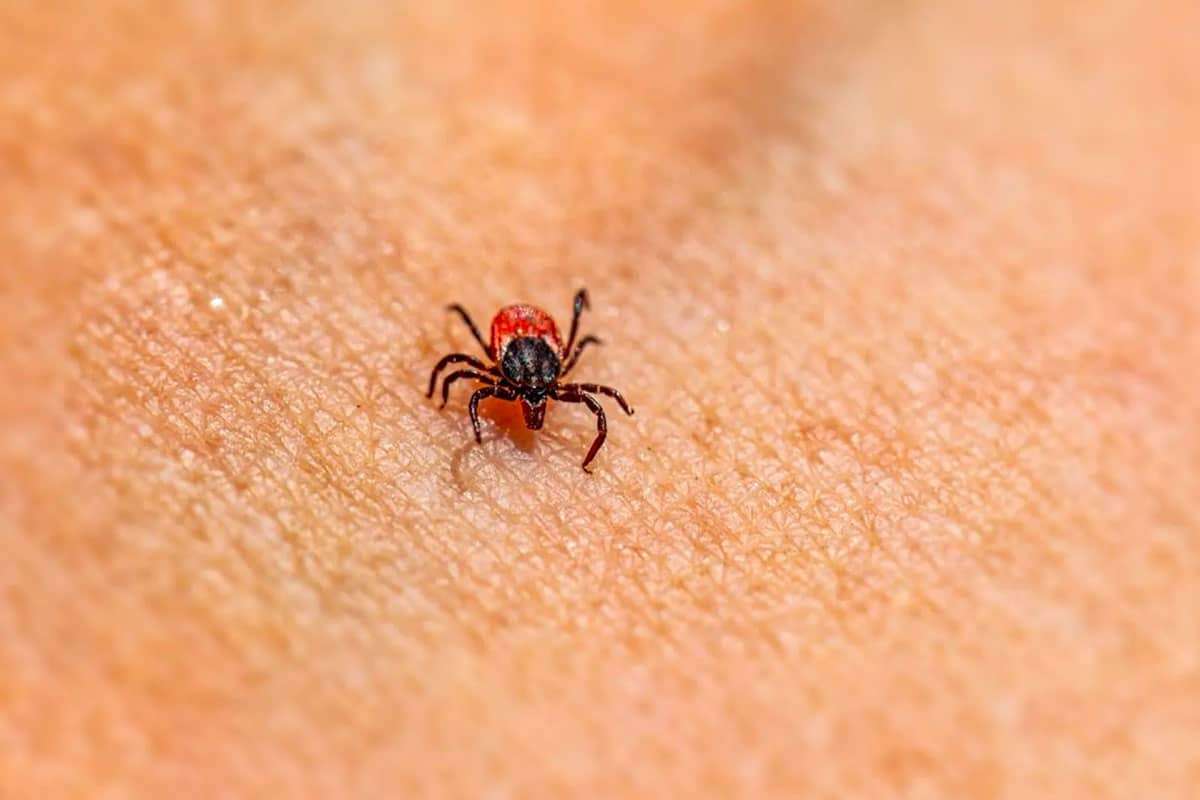
Health experts are closely monitoring the appearance of a newly identified tick-borne pathogen known as the Wetland virus, first detected in China in 2019. Its emergence has raised alarms within the scientific community as understanding its threat to human health becomes increasingly urgent.
Wetland Virus Emergence: An Emerging Public Health Threat?
The Wetland virus was initially discovered following the case of a 61-year-old man from Inner Mongolia who developed severe symptoms after a tick bite. Despite treatment with antibiotics, his condition deteriorated, marked by fever and vomiting. Subsequent analyses revealed a novel virus genetically related to the Crimean-Congo hemorrhagic fever virus.
This sparked a comprehensive investigation involving the collection of over 14,000 ticks from the region. Findings showed that around 2% of these ticks, representing five distinct species, tested positive for the virus. The detection across multiple tick species indicates a potentially extensive vector range.

Further studies also detected the virus in blood samples from local mammals, including sheep and pigs, suggesting the virus has infiltrated regional wildlife and livestock populations, establishing an intricate transmission network.
Tracing the Virus from Wetlands to Human Infections
Evidence of human exposure emerged when antibody testing among forest rangers revealed positive results, confirming that Wetland virus transmission to humans had already occurred. This discovery heightened concerns about community-level spread.
Hospitals in the area have since implemented screening programs, identifying roughly 20 infected patients. The majority exhibited symptoms such as:
- Fever
- Nausea
- Dizziness
- Back pain
- Skin rashes
One severe case involved a patient entering a coma, raising fears about the virus’s potential effects on the nervous system. This has propelled research toward innovative early detection methods to catch infections before they become critical.
Decoding Transmission and Effects of the Wetland Virus
The Wetland virus spreads primarily through tick bites, especially from those species thriving in northern China’s wetland habitats. Exposure occurs when infected ticks feed on humans, injecting the virus during the bite.
Research also identifies various animals—such as rodents, sheep, and horses—as reservoirs, enabling the virus to persist in environments frequented by ticks and raising the likelihood of human exposure.
Laboratory tests in mice have shown that the virus can be lethal and target major organs, including the nervous system. Although human patients have so far recovered, these findings suggest a need for continued vigilance and additional investigations.
Species Role in Transmission Risk Level Ticks Primary vector High Rodents Reservoir host Medium Livestock (sheep, pigs) Potential reservoir Medium Humans Accidental host Variable
Potential Global Impact and Next Steps
The Wetland virus’s detection in diverse species and habitats has prompted health officials to consider the possibility of a wider outbreak. Controlling its spread poses challenges due to its ecological complexity and adaptability.
Current measures focus on:
- Improving monitoring in vulnerable regions
- Creating fast, reliable diagnostic tools
- Exploring treatment and vaccine options
- Educating the public on methods to avoid tick bites
Although cases remain few, the virus’s capacity to mutate requires ongoing attention. Timely identification and intervention will be crucial to prevent escalation.
Scientists are also examining potential connections between the Wetland virus and other blood-borne illnesses, with the latest blood type research offering promising avenues for understanding vulnerability and therapy.
As the global health community navigates this new frontier of infectious diseases, cooperation among international institutions, scientists, and affected populations will be vital to develop effective responses against the Wetland virus and similar emerging threats.
- Categories:
- Health












0 comments
Sign in to Comment