

Scurvy presents with symptoms that can start subtly and escalate if not addressed. Early indicators include:
- Persistent tiredness and lack of energy
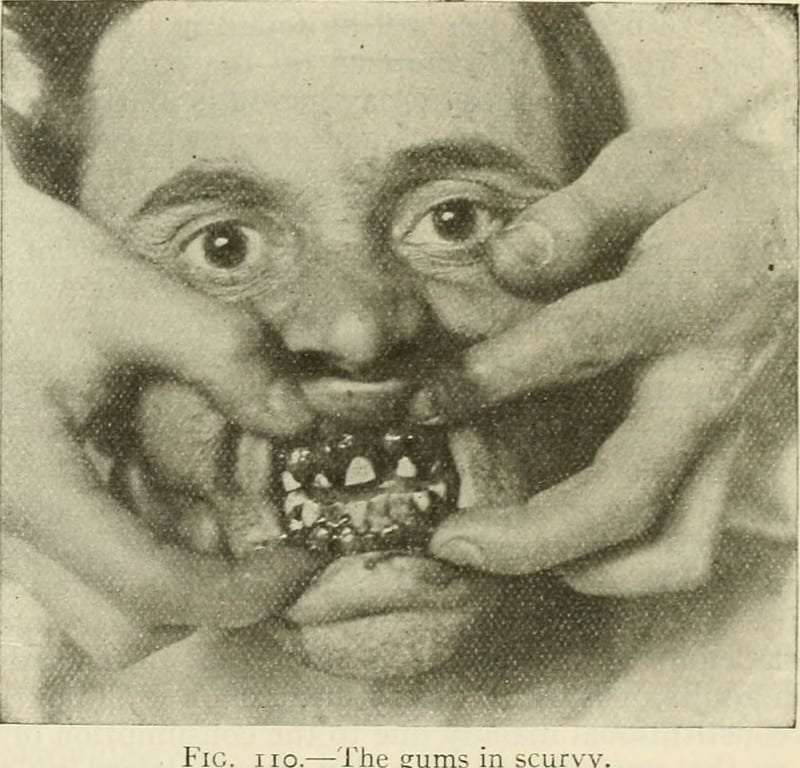
- Gums that swell and bleed easily
- Tendency to bruise without significant trauma
- Discomfort or pain in joints
- Wounds that take longer than usual to heal
As the illness advances, more critical conditions arise:
Oral health complications: Teeth may loosen or drop out due to compromised connective tissue integrity. Swollen, bleeding gums often signal a progressed stage of the disease.

Skin manifestations: The skin can become dry and coarse, with small red-purple spots appearing, especially on the legs. Severe cases might witness re-opening of old wounds.
Bleeding within the body: The condition may cause internal hemorrhages affecting organs like the eyes, posing serious risks if untreated.
Beyond visible signs, vitamin C deficiency disrupts crucial bodily functions such as collagen synthesis, immune defense, and iron absorption. This results in fragile blood vessels, delayed healing, and a greater vulnerability to infections.
Scurvy returns in high-income countries: An unexpected pattern
Though commonly linked to historic sea voyages or impoverished regions, recent reports indicate scurvy's presence in wealthy nations. In September 2024, a case documented in the BMJ Journals stunned clinicians: a man in his 50s admitted to Sir Charles Gairdner Hospital in Nedlands, Australia, exhibited classic scurvy symptoms.
The individual experienced painful skin eruptions, swelling, and bruising on his legs. Blood and urine analysis showed critically low white blood cell counts, hallmark signs of severe nutritional deprivation. Further investigation uncovered that financial struggles led to a diet completely lacking vitamin C.
This scenario isn't isolated. According to a 2023 report discussed in The Times, out of some 11,000 malnutrition patients in the UK, 171 were diagnosed with scurvy. These figures illuminate a growing concern in places once thought immune to such deficiencies.
Main drivers behind scurvy's resurgence
Multiple elements contribute to scurvy’s return in developed societies:
- Financial strain: Increasing costs of living are pushing some to cut back on fresh produce that supplies essential vitamin C.
- Unhealthy eating habits: Diets heavy in processed foods often lack vital nutrients, fostering deficiencies.
- Obesity paradox: Excess weight can coincide with poor nutrition, where calorie-rich foods are low in necessary vitamins.
- Lack of social interaction: Older adults living alone may neglect balanced nutrition, heightening scurvy risk.
The role of nutrition in overall health remains paramount. For example, the effects of regular oatmeal intake on kidney function reflect the complex interaction between diet and wellbeing.
Modern prevention strategies to combat scurvy
Stopping scurvy today is straightforward but demands attention to nutrition. Key recommendations include:
Approach Details Diet variety Consume an assortment of fruits and vegetables high in vitamin C Supplement use Use vitamin C supplements when dietary sources are limited Education efforts Promote knowledge about the value of balanced nutrition Community support Ensure at-risk groups have access to healthy and nutritious foods
While emphasizing vitamin C, it’s vital to also consider food safety. For instance, recent findings about the presence of prohibited pesticides in imported foods in France underscore the importance of cautious food selections.
Ultimately, the reappearance of scurvy reminds us of the essential role nutrition plays in health today. Though once nearly obsolete, the disease’s comeback highlights ongoing challenges in achieving adequate nourishment across populations. By enhancing awareness, encouraging healthy eating, and addressing socioeconomic barriers, we can help prevent this historical disease from becoming a contemporary health threat.
- Categories:
- Health














0 comments
Sign in to Comment