
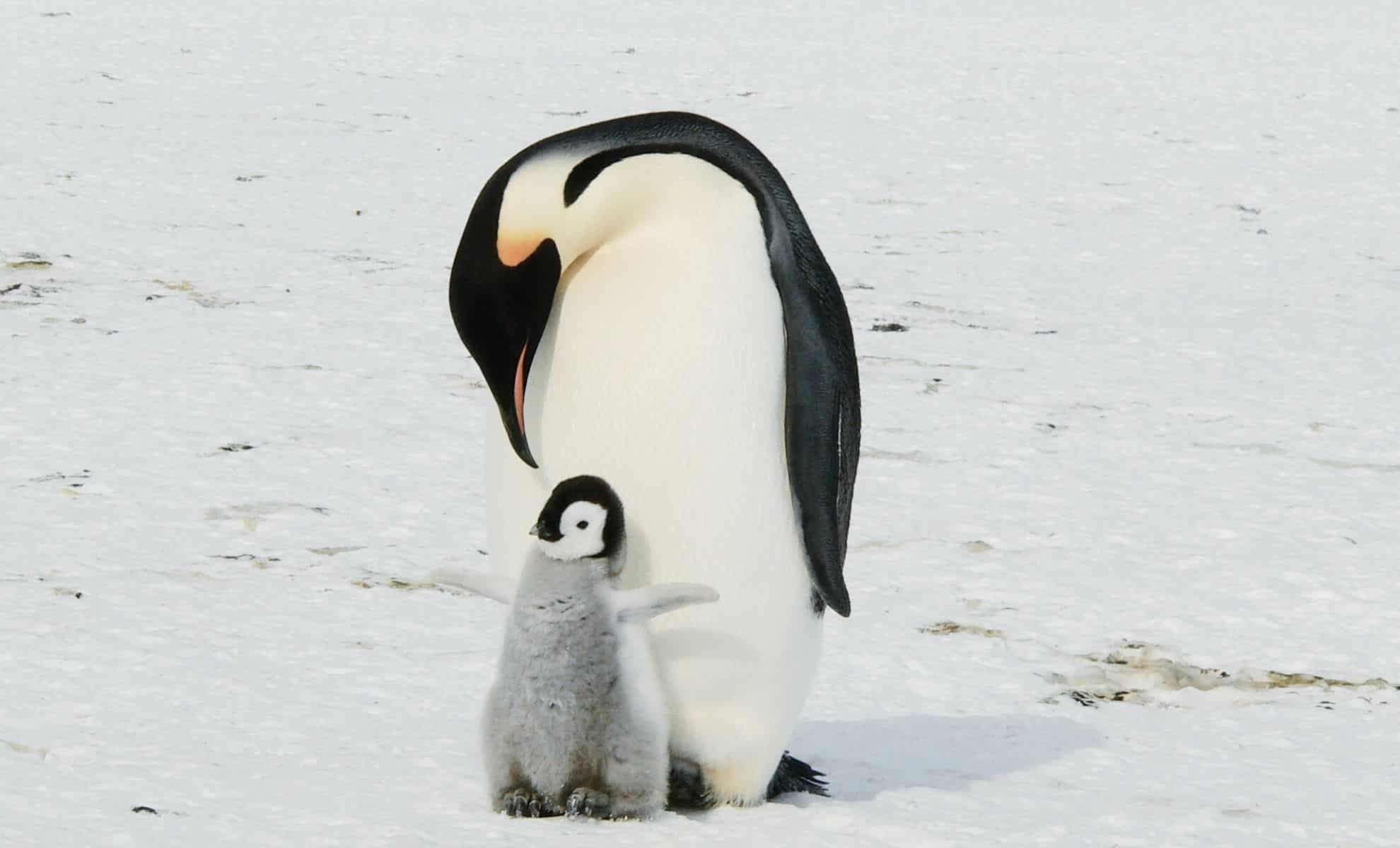
Recent findings reveal that emperor penguin populations are diminishing much faster than earlier forecasts indicated, backed by new satellite observations outlined in a Communications: Earth & Environment publication. Researchers report that in just 15 years, these iconic Antarctic birds have suffered a nearly 22% plunge in population, significantly exceeding previous estimates. The study, led by Peter Fretwell at the British Antarctic Survey, links this rapid decline directly to warming climates disrupting crucial icy habitats for breeding and survival.
Climate Warming Threatens Penguin Habitats
“Emperor penguins provide a striking example of climate change’s tangible effects,” stated Peter Fretwell. The investigation tracked 16 colonies throughout Antarctica, including regions such as the Antarctic Peninsula, Weddell Sea, and Bellingshausen Sea. These sites account for roughly a third of the global emperor penguin population and demonstrate a steep 22% decrease over the monitoring period, much steeper than prior projections of a 9.5% decline across the continent between 2009 and 2018.
The decline stems from the destabilization of sea ice that serves as the penguins’ vital breeding platform. Rising temperatures have led to thinner, more fragile ice, undermining breeding success and chick survival. In certain colonies, entire cohorts of hatchlings have been lost when the unstable ice collapses prematurely, casting vulnerable chicks into icy waters before they can thrive.

“There’s no overfishing, habitat loss, or pollution behind this nosedive,” Fretwell explained. “The sole culprit is the warming and melting of the ice they rely on, entirely driven by climate change.” This underlines that emperor penguins are being imperiled mainly by environmental shifts rather than direct human interference.
Sea Ice Loss and Rising Temperatures Compound Risks
The study indicates that troubles for emperor penguins have been escalating since 2009, ahead of the most intense impacts of global warming. While climate change remains the dominant threat, additional challenges like increased rainfall and predator pressures also aggravate the species' decline. Importantly, the pace of population loss is more rapid than previously recorded, raising serious concerns.
Fretwell and his team suggest these findings likely reflect broader patterns affecting other penguin groups across Antarctica, though more extensive studies are needed to verify this. “It’s critical to evaluate the entire population to confirm if this alarming trend extends continent-wide,” Fretwell noted. The colonies examined were representative, implying comparable difficulties may confront other emperor penguin communities.
The new data also calls into question earlier projections. “We’ll need to revise current models to incorporate this updated information,” Fretwell remarked. Past forecasts warned that the species could near extinction by 2100 without drastic emission cuts; now, this timeline might be even more urgent.
Possible Interventions and a Path Forward
Despite troubling prospects, there is still a chance to protect emperor penguins if decisive steps combat climate change. “Though the outlook is challenging, it’s not too late,” Fretwell stressed. “Many emperor penguins may be lost before any recovery, but with substantial emission reductions, their survival can be secured.”
This underscores the critical role of global climate action in safeguarding emperor penguins’ future. Though climate change currently threatens their existence, timely policy and environmental measures could still turn the tide for these remarkable birds.
- Categories:
- News











0 comments
Sign in to Comment