
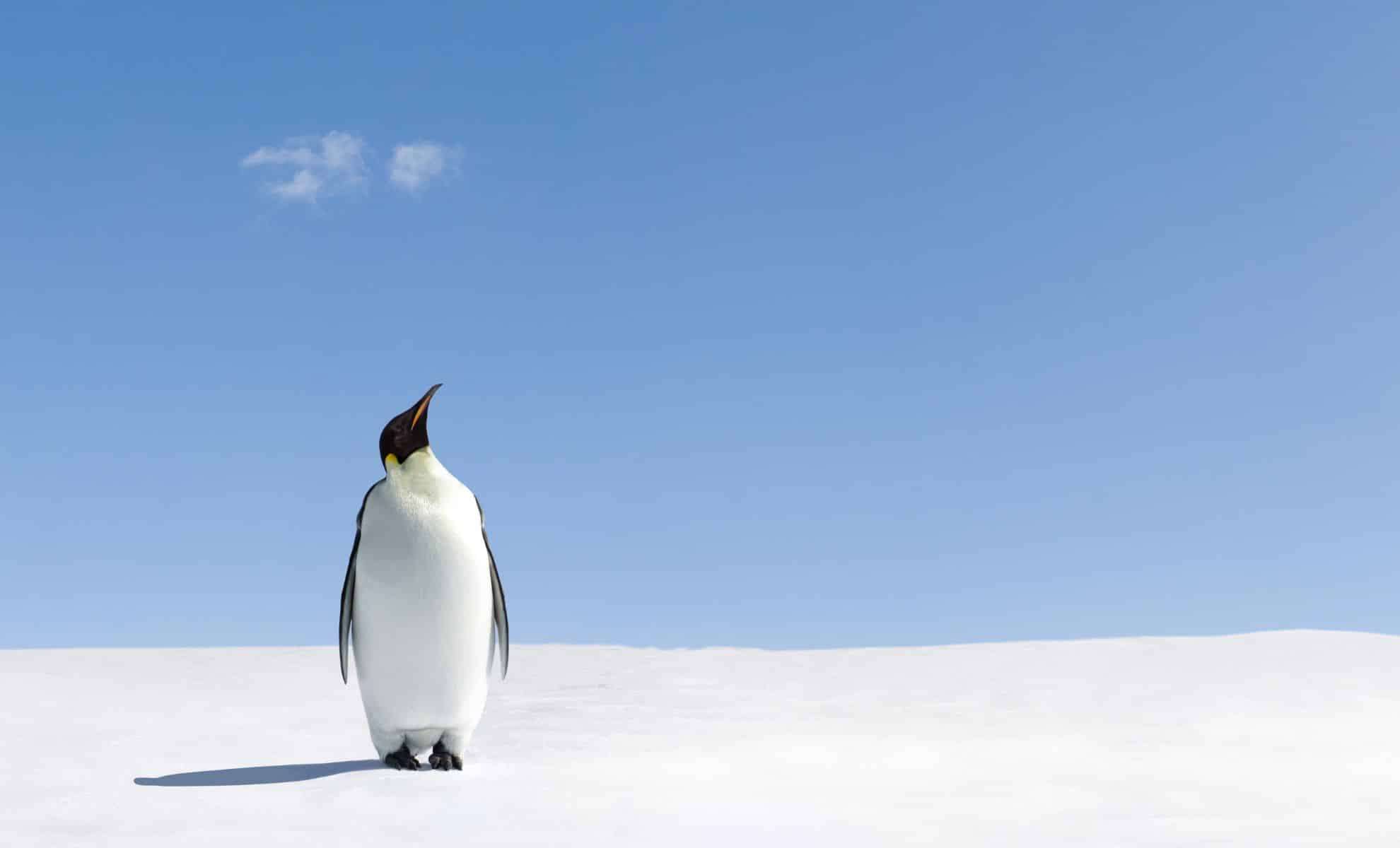
Antarctica is warming swiftly due to human-induced climate change, threatening its status as a crucial indicator of global environmental shifts. Surprisingly, scientists have uncovered a natural mechanism involving penguin colonies that might help counterbalance this warming: the release of guano.
How Guano Influences Cloud Creation
A groundbreaking paper in Communications Earth & Environment shows that ammonia emitted by penguin feces plays a key role in fostering cloud cover along Antarctica’s coast. Lead researcher Matthew Boyer from the University of Helsinki explained to AFP that while laboratory experiments have demonstrated ammonia’s role in cloud nucleation, direct evidence from Antarctica was previously unexplored.
With its limited human presence and sparse vegetation, Antarctica offers a pristine setting for such investigations. Here, penguin groups are prominent contributors of atmospheric ammonia. Besides penguins, seabirds like Imperial Shags also release ammonia through their cloacas, where the combination of excreted feces and urine, known as guano, serves as a major source of this gas.

When guano-derived ammonia merges with sulfur compounds from phytoplankton, it encourages the generation of aerosols—tiny atmospheric particles crucial for cloud formation. This interaction effectively increases cloud density, reflecting sunlight and potentially cooling localized Antarctic environments.
Empirical Evidence from Antarctic Fieldwork
Researchers set up monitoring stations at Argentina’s Marambio Base on Seymour Island, near the Antarctic Peninsula’s northern tip, tracking atmospheric chemistry over three summer months. This timeframe aligned with the peak periods of penguin activity and phytoplankton growth.
Data showed that winds carrying air from a large Adelie penguin colony about eight kilometers away—comprising roughly 60,000 birds—resulted in ammonia levels soaring to 13.5 parts per billion, nearly 1,000 times above typical background levels. Remarkably, even after the penguins left, ammonia remained elevated up to 100 times normal for weeks, as guano-enriched soil continued to emit compounds slowly.
Aerosol measurements correlated closely with air masses from the colony, with particle concentrations at times dense enough to generate fog-like phenomena. Chemical profiling linked these aerosols unequivocally to penguin-released ammonia.
A Natural Feedback Loop Affecting Climate
Boyer characterizes this mechanism as a synergistic relationship between seabirds and marine microbes, each supplying vital substances needed for cloud development. If penguin numbers decline, this natural cooling influence may weaken, potentially accelerating regional warming. Although further research is required, this notion parallels earlier findings from Arctic investigations where seabird emissions impacted climate.
Cloud cover reflects incoming sunlight, promoting a cooling effect. Yet, because Antarctic ice sheets and glaciers reflect a large amount of sunlight, additional clouds might instead trap outgoing infrared heat, warming the ice surface.
From ancient oxygen-producing microbes to modern penguin-driven aerosol dynamics, Earth’s diverse life forms continue to shape atmospheric behavior. As Boyer remarks, “this highlights the profound connections between ecosystems and atmospheric processes, underscoring the importance of biodiversity and conservation.”
- Categories:
- News







0 comments
Sign in to Comment