
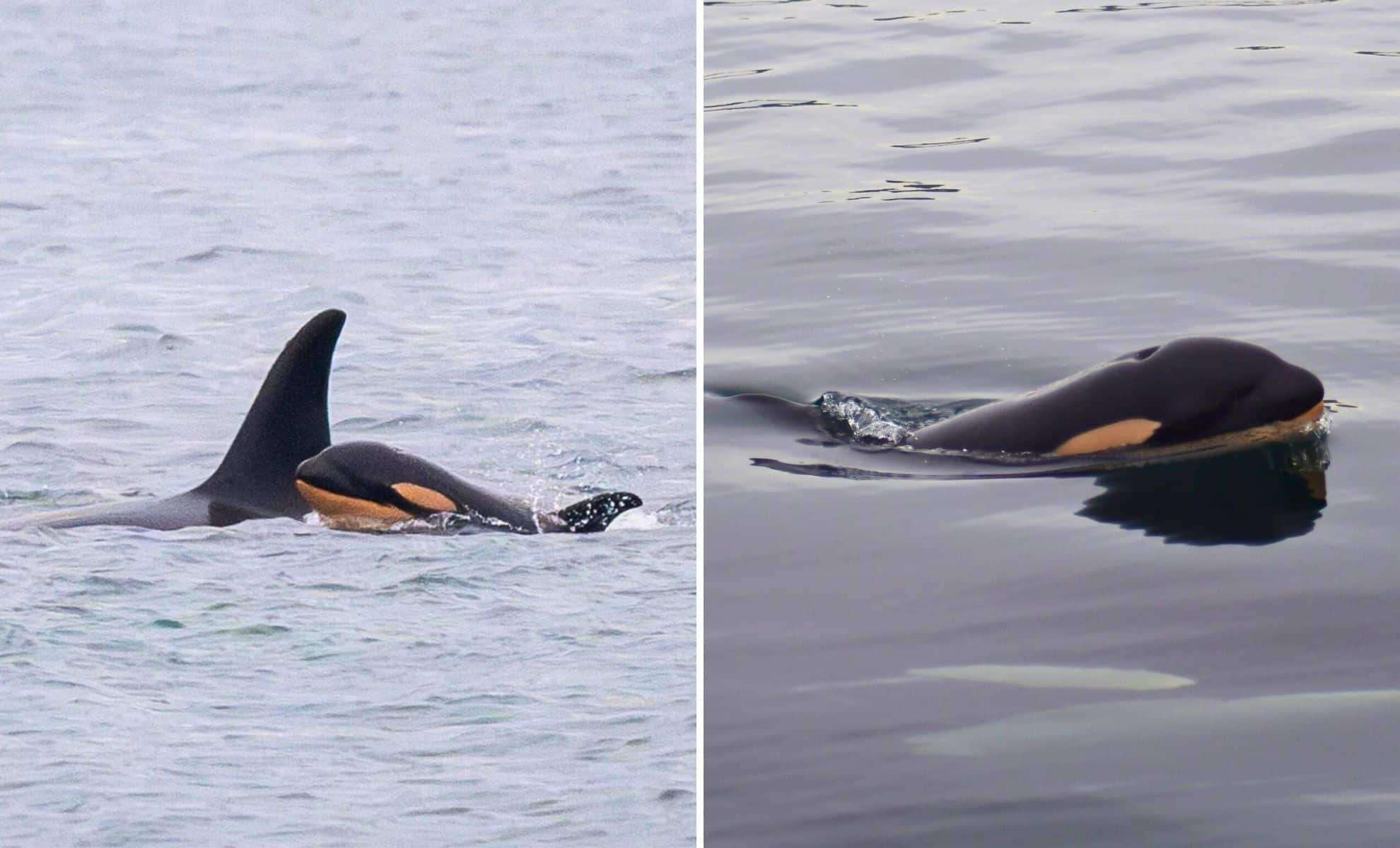
The Southern Resident orca known as Tahlequah or J35 has given birth to a new baby, offering renewed optimism for her endangered community. Tahlequah captured worldwide attention in 2018 when she carried the body of her deceased calf for 17 days, spanning over 1,000 miles in the Pacific Ocean. Recently, sightings in Puget Sound have confirmed the arrival of her newest offspring, identified as J61.
Spotting Tahlequah’s Latest Newborn
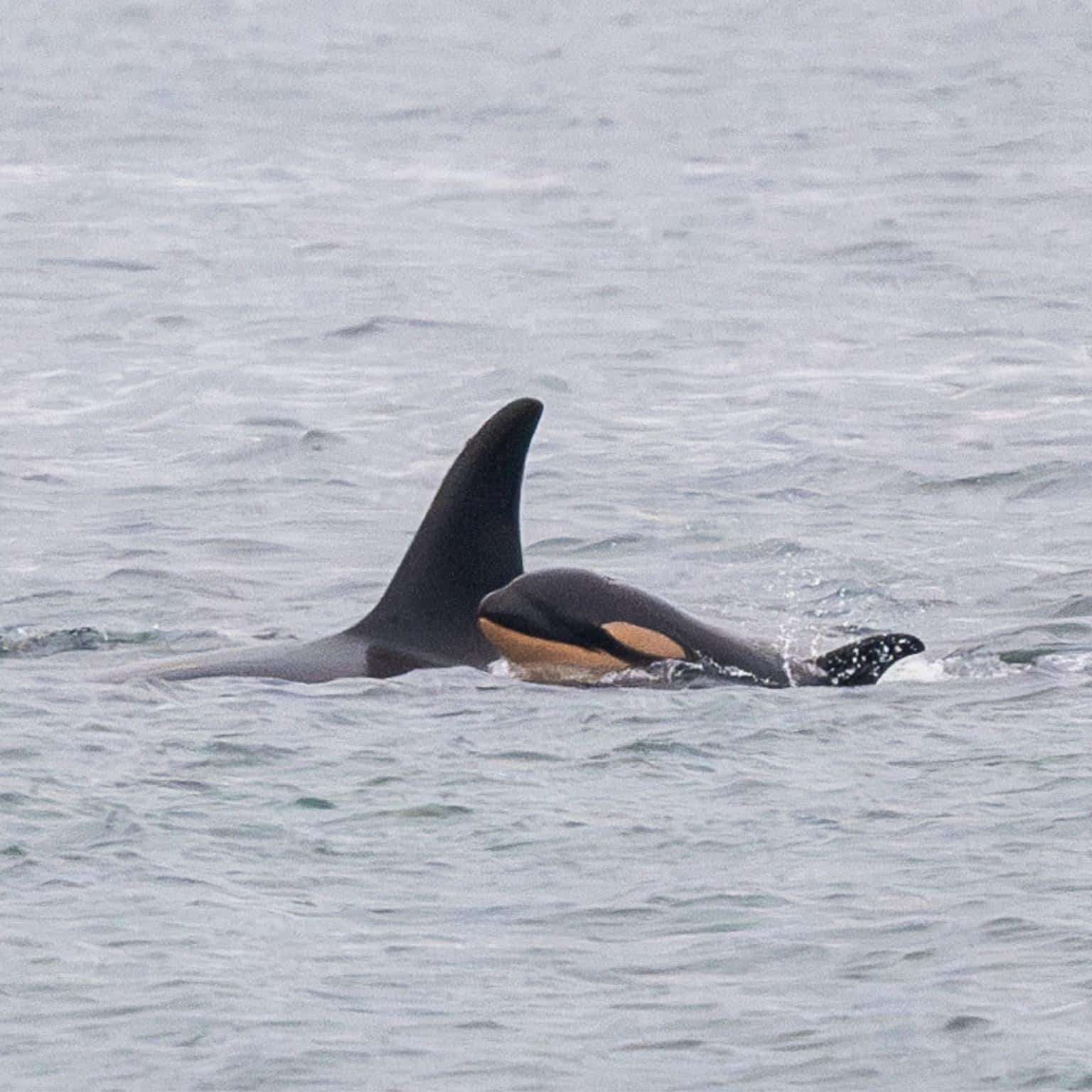
Researchers first detected the infant orca on December 20, with the Center for Whale Research officially confirming the calf’s identity on December 25. Michael Weiss, Center research director and wildlife photographer, shared his initial surprise: “I was reviewing photos from a ferry trip and noticed a much smaller dorsal fin than usual near the port side. Upon closer examination, it became clear it was a newborn traveling with J35.”
Early Challenges for Calf J61
While the arrival of J61 has uplifted researchers, concerns linger about the calf’s condition in its critical first weeks. The Orca Conservancy has observed signs such as lethargy and unusual movements involving the mother pushing the calf, which raised alarms on social media. “The calf had also been observed being pushed around on J35’s head and was not looking lively, which is a concern,” the group posted on X (formerly Twitter). “All of this serves as a reminder that in order for new calves, salmon stocks need to be recovered to levels that will help support population growth.”

The survival of Southern Resident orcas is tightly linked to the availability of Chinook salmon, their main food source. Declining salmon numbers, driven by overfishing, habitat loss, and the effects of climate change, threaten these whales' survival.
Status of the Southern Resident Orca Community
The Southern Resident killer whales are among the most endangered marine mammals globally, with protected status in both Canada and the United States. The population peaked near 100 individuals in the 1990s but has dwindled to just 73 members as of 2023.
Tahlequah is a prominent figure within her pod, the J pod, which lives between Washington State and British Columbia. Her previous calf, J57, born in 2020, has thrived, reflecting Tahlequah’s strong maternal qualities.
A Testament to Perseverance and Conservation Urgency
Tahlequah’s transition from mourning to new life highlights both the vulnerability and endurance found in nature. According to the Center for Whale Research, “every birth is vital” and emphasizes that “healthy fish populations are essential to the survival of these whales and their young.” Without robust recovery efforts for salmon, positive stories like that of J61 could become increasingly rare.
This tale of Tahlequah and her new calf is a powerful reminder of the deep bonds shared within animal families and underscores the urgent call for protecting the habitats that sustain them. Scientists continue to monitor J61 closely and advocate for stronger measures to safeguard vital marine ecosystems.
By sharing Tahlequah’s story, we emphasize the critical connections between wildlife conservation, ocean health, and human stewardship.










0 comments
Sign in to Comment