
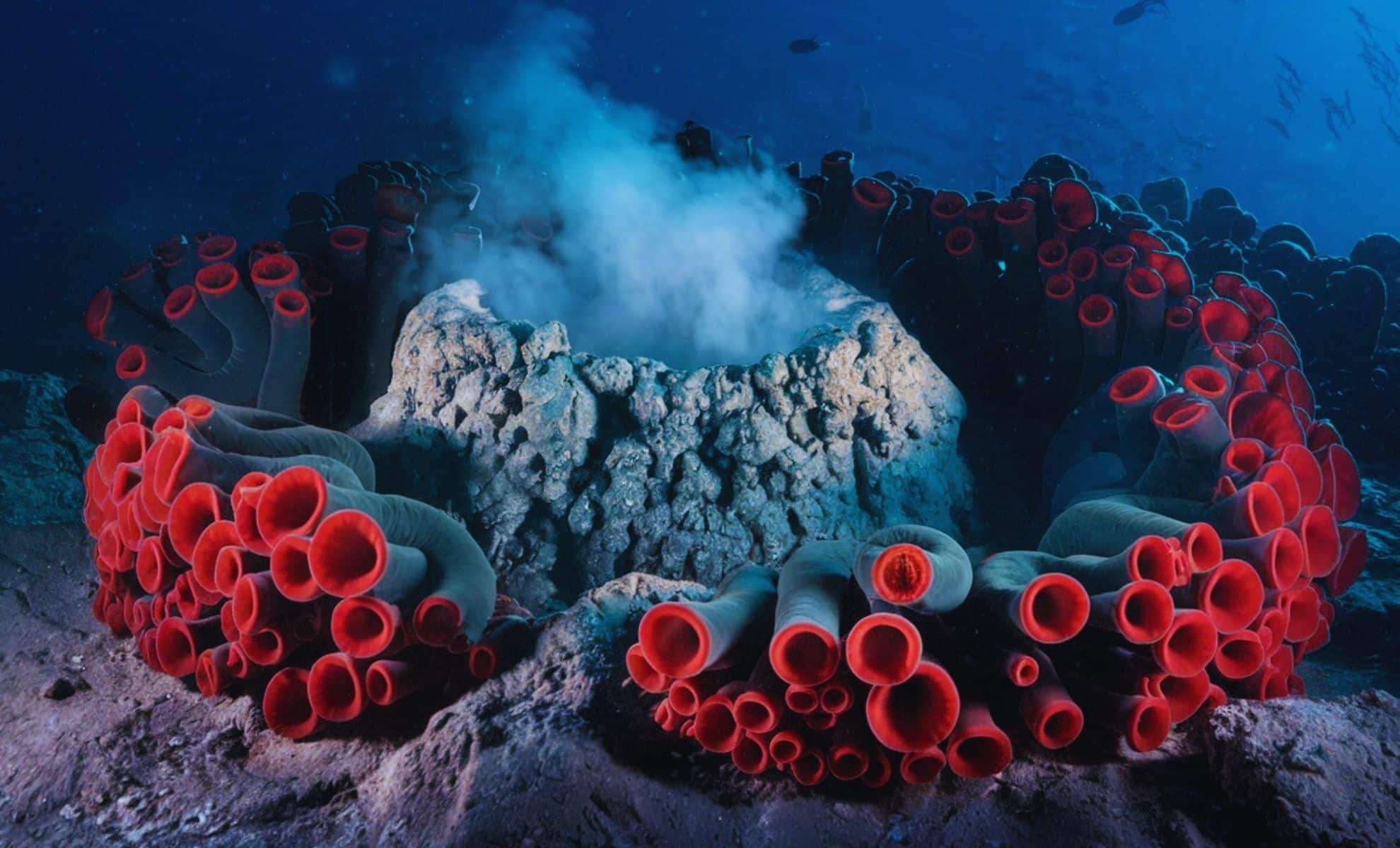
The marine world, continually unveiling astonishing phenomena, has revealed yet another marvel: gigantic oceanic worms flourishing within concealed volcanic fissures. This breakthrough offers fresh insights into the resilience of life thriving under extreme conditions and the complex ecosystems hidden beneath the ocean bed.
Exploring the Unseen Depths of the Ocean
Our oceans, home to an incredible spectrum of life forms ranging from tiny plankton to massive whales, exemplify nature’s versatility and tenacity. Nonetheless, much of this vast underwater realm, especially areas below the seafloor, remains largely unexplored.
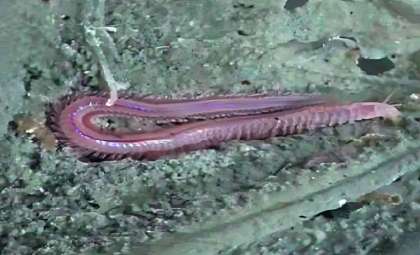
During a pioneering exploration, scientists identified sizable tubeworms inhabiting camouflaged hollows along the East Pacific Rise—a zone marked by volcanic activity where tectonic plates meet. This remarkable finding alters previous beliefs about life’s boundaries and offers a new understanding of survival strategies in some of Earth’s harshest places.

Published in Nature Communications, the research discloses that these tubeworms, alongside snails and chemoautotrophic bacteria, flourish in environments long thought too extreme to sustain complex life. This article examines the discovery’s importance, the extraordinary adaptations involved, and how it enriches our knowledge of Earth’s biosphere.
A Complex Network Hidden Beneath the Seafloor
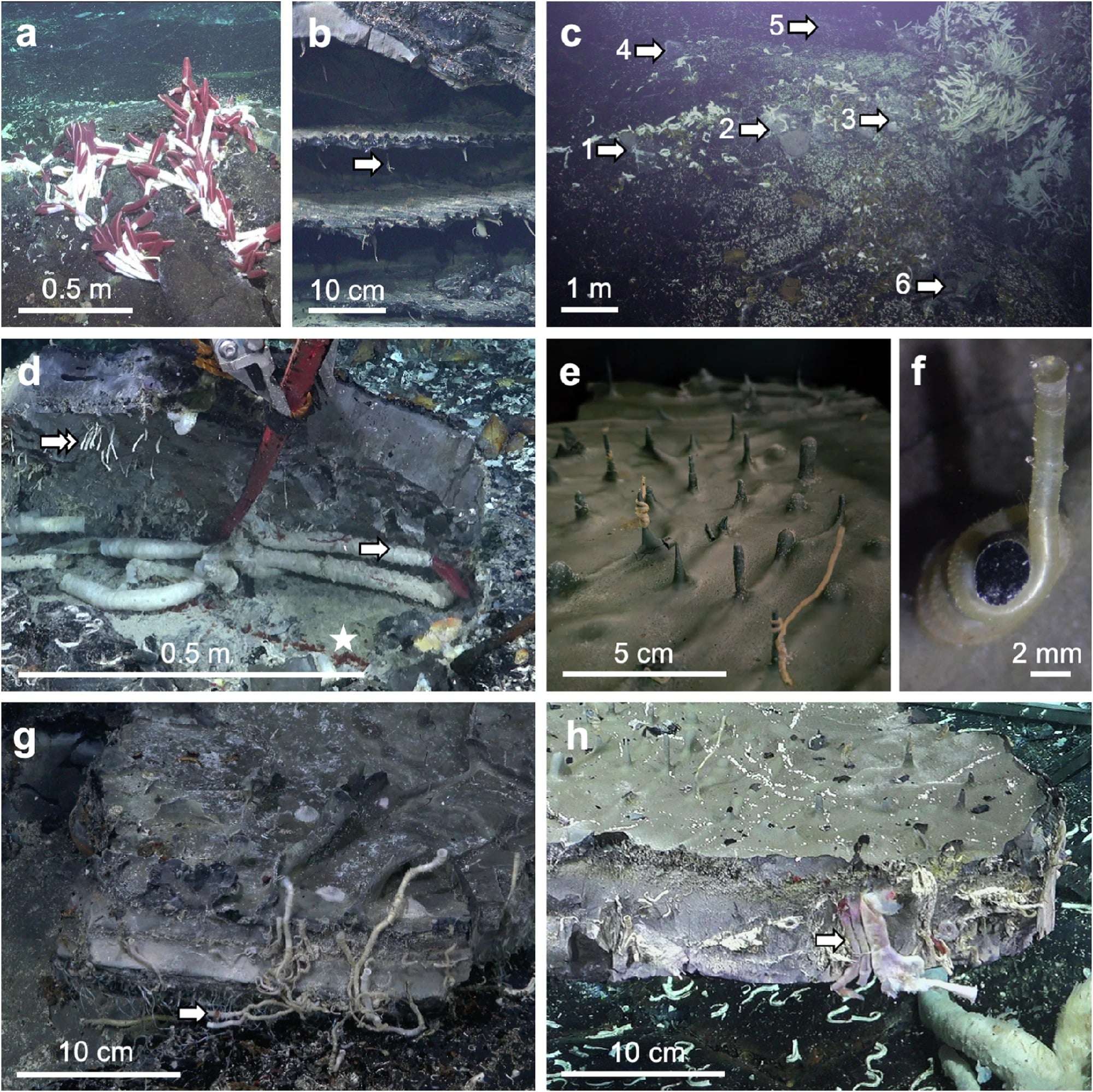
The geological hotspot known as the East Pacific Rise, famous for its volcanic and tectonic events, attracted an expedition utilizing the Schmidt Ocean Institute’s vessel Falkor and the remotely operated vehicle SuBastian to investigate subterranean ocean cavities. The team uncovered astounding evidence: enormous tubeworms, measuring up to 1.6 feet (0.5 meters), prospering in thermally active, subsurface water pockets.
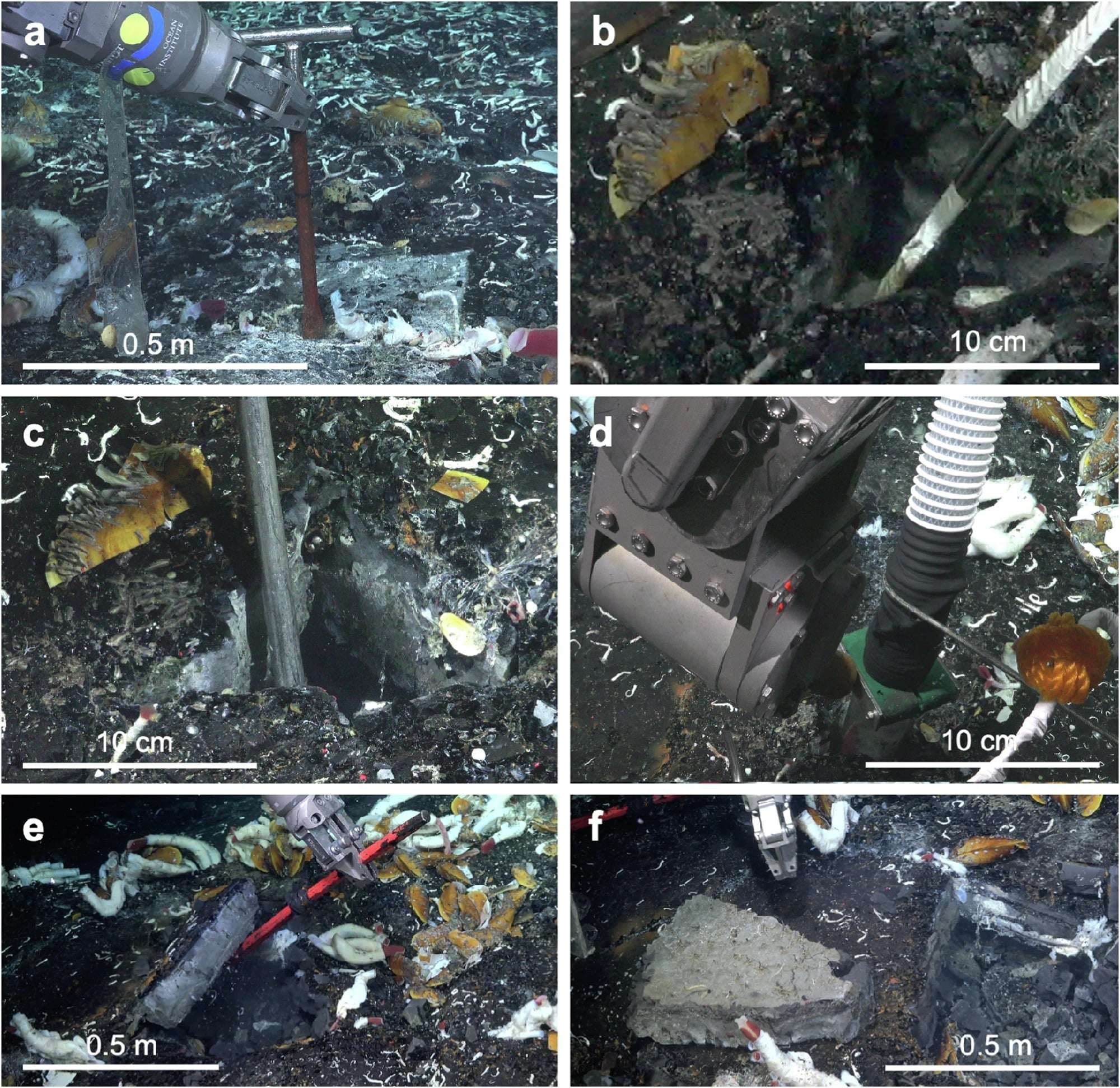
- Unveiling Hidden Ecosystems: Led by Dr. Monika Bright and Dr. Sabine Gollner, researchers carefully removed fragments of the ocean crust, revealing vibrant ecosystems where only microbes were once expected to exist.
- Survival Through Chemosynthesis: These tubeworms host chemosynthetic bacteria that produce nutrients by transforming inorganic compounds, enabling survival without sunlight.
- Temperate Conditions Amid Extremes: Despite the volcanic environment, these cavities maintain moderate temperatures around 75 °F (24 °C) due to geothermal influences.
This discovery revises prior notions that the subseafloor crust is exclusively inhabited by microorganisms, emphasizing life's incredible flexibility in challenging habitats.
An Intricate Web of Subsurface Life
The discovery of enormous tubeworms within these secluded pockets points toward an extensive subsurface biosphere beneath the ocean floor. By extracting pieces of lava formations, scientists found communities that include not only tubeworms but also various snails and microbial life, indicating a wider distribution than previously known.
- Underground Passageways: Researchers hypothesize that these organisms navigate through subsurface channels, revealing a complex network of interconnected life forms.
- Importance of Subsurface Habitats: Dr. Bright stresses the critical need to safeguard these hidden environments, which contribute significantly to oceanic vitality.
- Supporting Hydrothermal Systems: This aligns with earlier studies confirming hydrothermal vents as biodiversity hotspots fueled by bacteria that harness chemical energy.
These insights highlight the necessity for ongoing exploration and preservation of these enigmatic underwater ecosystems crucial to marine diversity.
Scientific and Environmental Significance of Oceanic Worms
Uncovering these massive ocean worms in volcanic fissures carries broad implications for scientific research and environmental stewardship. This emphasizes how unexplored Earth’s extreme habitats remain and the value of conserving these delicate ecosystems.
- Biodiversity Hotspots: Both hydrothermal vent environments and their buried counterparts host unique species not found elsewhere on the planet.
- Human Impact Risks: Activities like deep-sea mining threaten to disturb these fragile communities.
- Conservation Initiatives: Experts call for thoughtful regulation of such areas to protect their distinctive biodiversity and foster future scientific discoveries.
This breakthrough reignites interest in understanding life’s distribution and adaptation deep in the ocean. With advancing technology, future missions may reveal even more concealed life forms, challenging current views of biological limits.
Unveiling the Ocean’s Secret Depths
The identification of giant tubeworms hidden within volcanic crevices along the East Pacific Rise reinforces the ocean’s endless capacity to astonish and inspire. These findings disrupt preconceived ideas about life’s boundaries and stress the importance of sustained inquiry and conservation.
As researchers deepen their knowledge of these subsurface habitats, their mission to uncover life’s adaptive secrets continues. The ocean’s vast, mysterious depths serve as a powerful reminder that much remains unknown about our planet’s rich biological tapestry.
The detailed research can be accessed in the journal Nature Communications.
- Categories:
- Science








0 comments
Sign in to Comment