
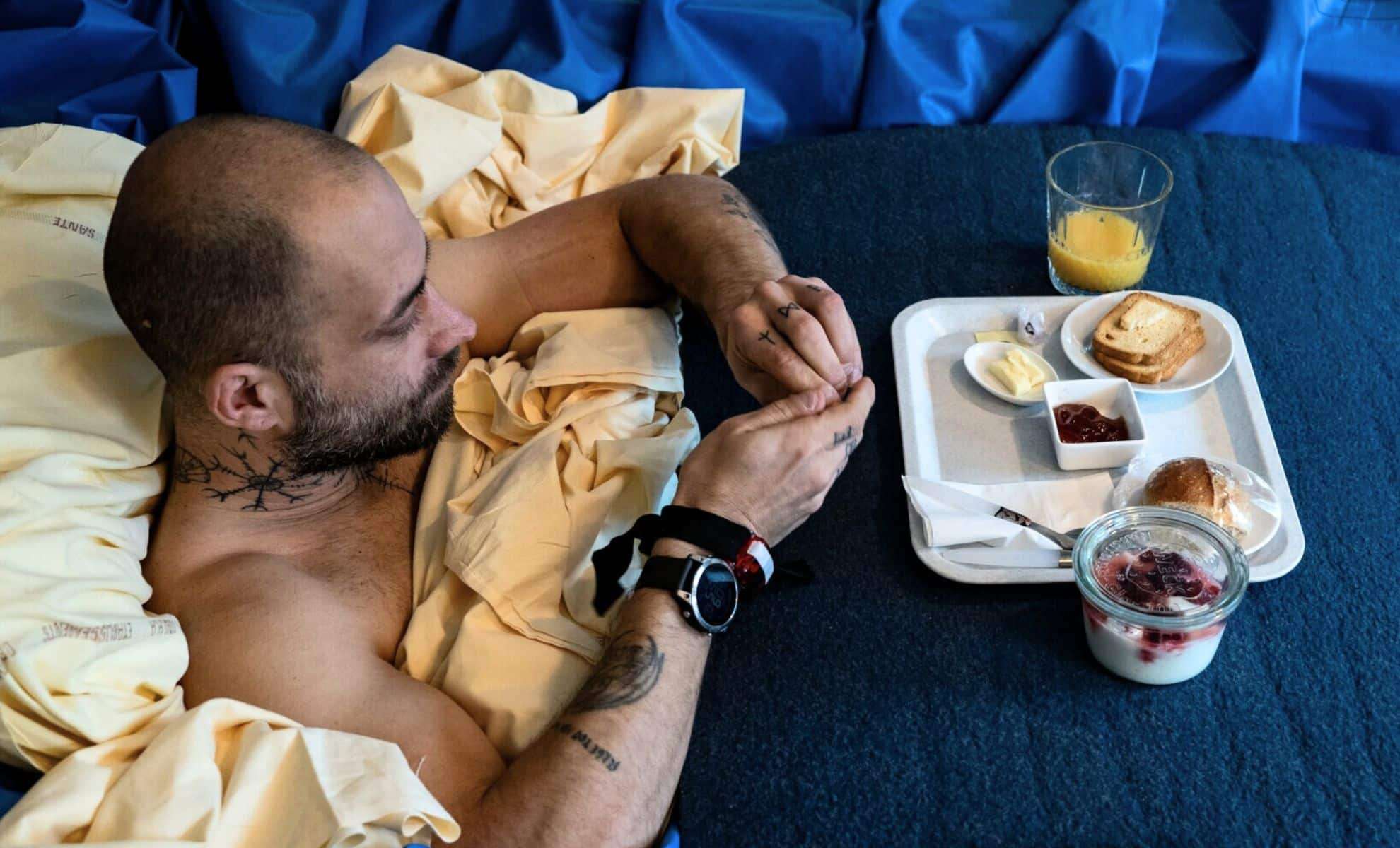
The European Space Agency (ESA) has initiated an innovative study offering 5,000 euros to participants willing to spend 10 days lying on a waterbed. This experiment, part of ESA's Vivaldi III project, is designed to replicate the impact of space travel on the human body, a key step in preparing astronauts for prolonged missions in space.
The Vivaldi III Study: Mimicking Microgravity Conditions
This research is underway at the Medes space clinic in Toulouse, France, within ESA’s larger Vivaldi III initiative. Volunteers rest inside water-filled containers built to imitate the experience of weightlessness.
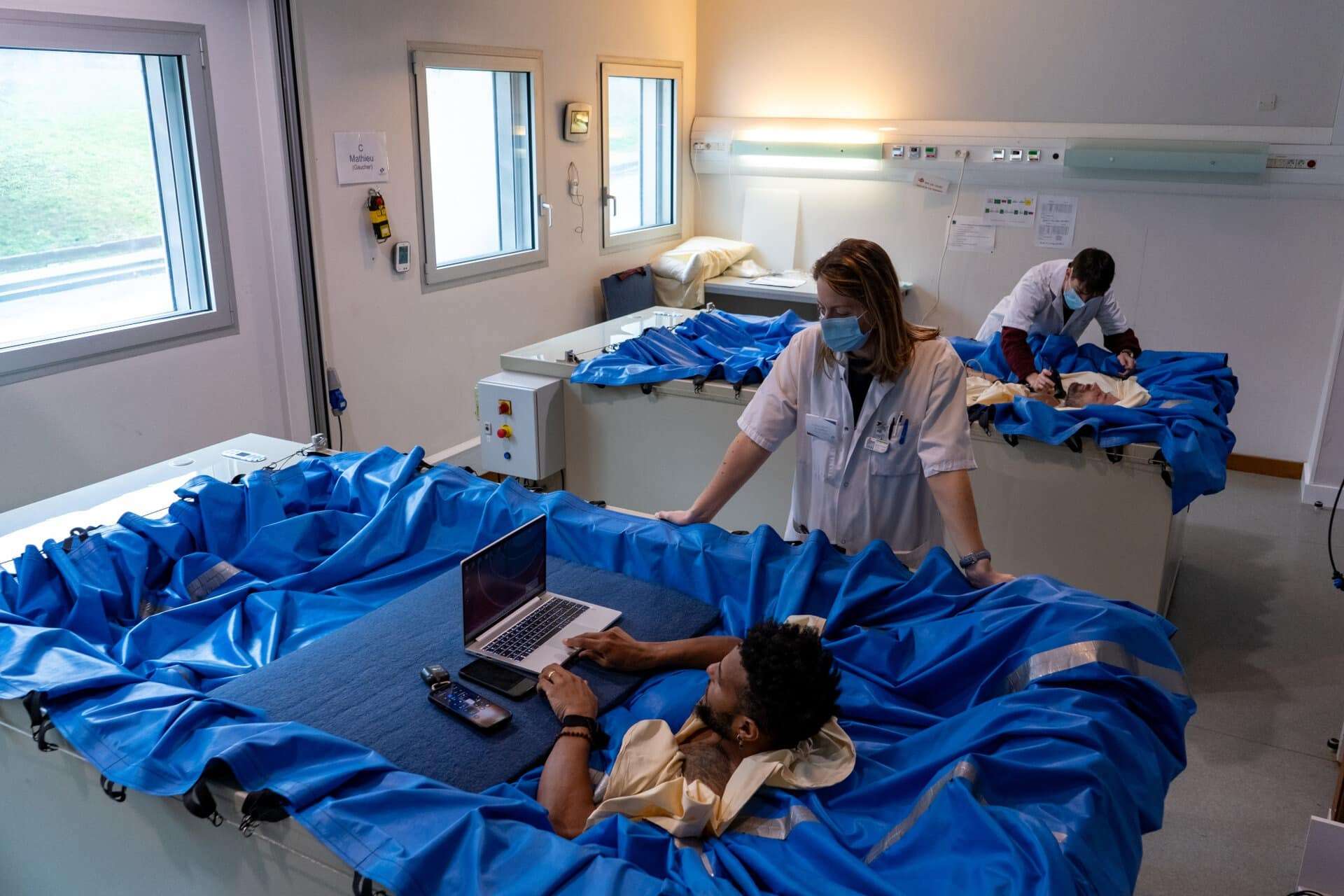
“During Vivaldi III, 10 volunteers lie down in containers similar to bathtubs covered with a waterproof fabric. This keeps them dry and evenly suspended in water,” ESA explained.
Add Cosmo Herald as a Preferred Source

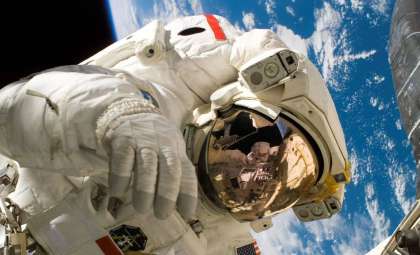
The setup closely replicates the environment astronauts encounter aboard the International Space Station (ISS). Participants are immersed up to their chest, with their heads and arms kept above water, simulating the sensation of floating in zero gravity.
Living the Reclined Space Experience
Though reclining for 10 days might imply restfulness, the experience is quite demanding. Subjects are supported by floating boards and neck cushions during meals and remain reclined throughout the study.
For restroom visits, volunteers are moved on a trolley while maintaining their reclined position. Despite the isolation, they are permitted to use phones to stay connected with friends and family.
Following the 10-day water immersion, participants undergo an additional five days of evaluation and recovery to monitor the effects, along with a follow-up assessment 10 days later to observe lasting impacts.
The Physiology of Dry Immersion: Insights into Spaceflight Effects
The Vivaldi III study goes beyond endurance testing; it aims to deepen knowledge about how the body copes with weightlessness. ESA seeks to understand bodily adaptations to microgravity and strategies to counteract harmful changes.
“By extending the duration of dry immersion and comparing it to bed rest, we are refining our understanding of how these analogues simulate life in space, the different physiological effects and how they complement each other,” said Ann-Kathrin Vlacil, ESA’s team leader for enabling science in human exploration.
Results from this research will guide ESA in developing preventive strategies to safeguard astronaut health during their missions. The study also advances broader space science, improving understanding of how prolonged weightlessness affects muscle strength, bone density, and cardiovascular functions.
The Importance of Volunteers in Advancing Space Exploration
This investigation targets male participants aged 20 to 40, with strict physical requirements including a height between 1.65 meters and 1.80 meters and a Body Mass Index (BMI) from 20 to 26. Candidates must be free of allergies and dietary limitations. Recruitment for Vivaldi III began last year, limited to these specific criteria.
While unusual, this study's data is vital for readying astronauts for extended space journeys, especially for upcoming missions to the Moon, Mars, and beyond.
As future space expeditions are expected to last months or even years, gaining insight into the body's reaction to extended weightlessness is essential for preserving astronaut well-being throughout these missions.








0 comments
Sign in to Comment