
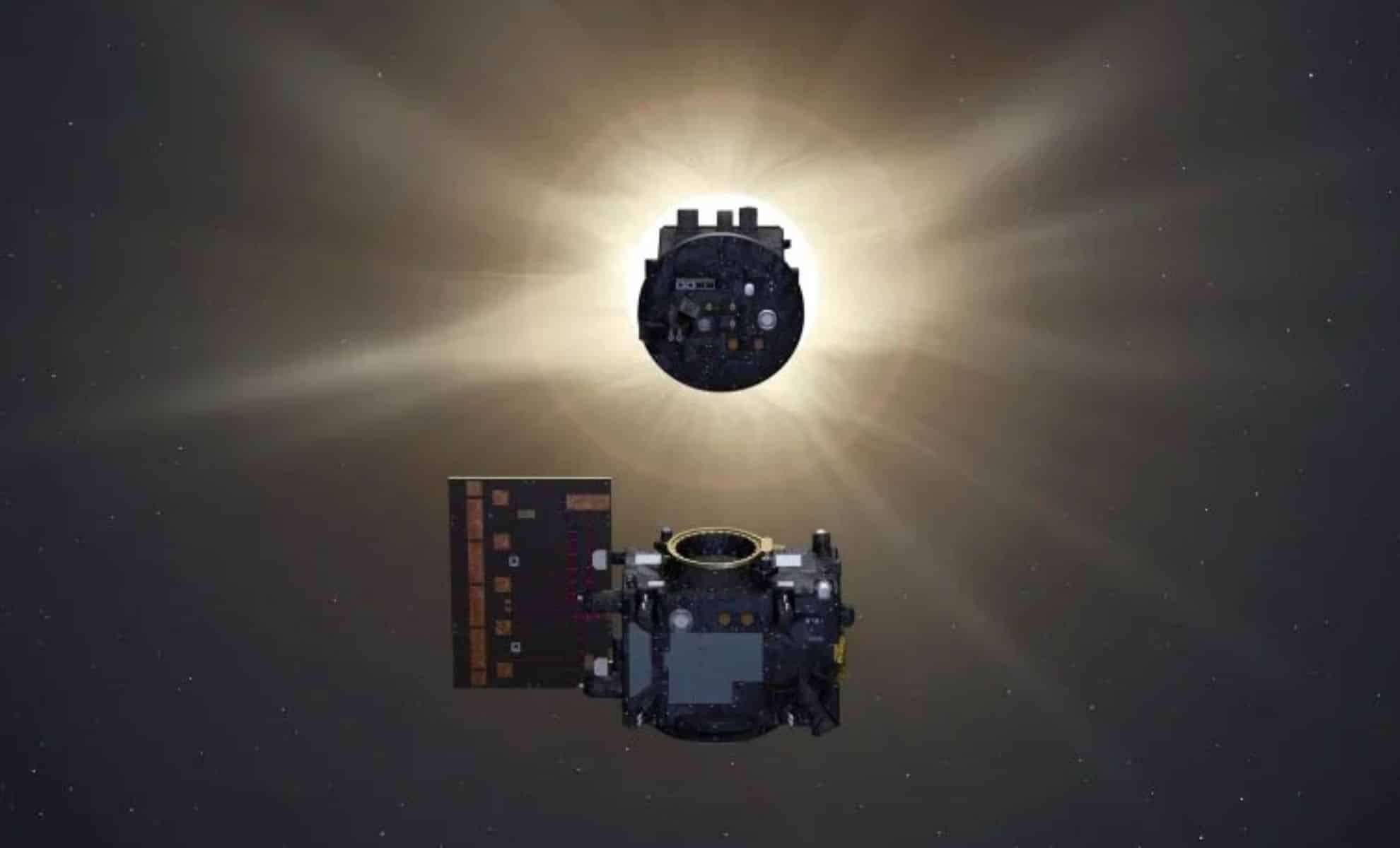
On June 16, 2025, the European Space Agency (ESA) released stunning images of the Sun’s corona, captured thanks to the innovative Proba-3 mission. This mission accomplished a remarkable task by coordinating two satellites to fly in precise formation, generating an artificial total solar eclipse. These images unveiled the solar corona in unparalleled detail.
Proba-3: Crafting a Man-Made Solar Eclipse in Space
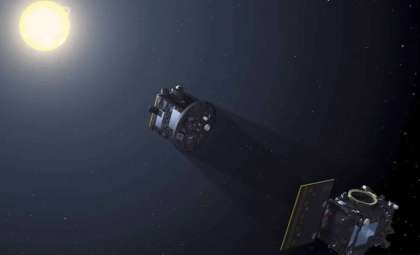
ESA’s pioneering mission, Proba-3, employs a pair of satellites—the Coronagraph and the Occulter—that maintain a narrow 150-meter gap. By positioning the Occulter to block the Sun’s disk, they create a man-made total solar eclipse in orbit. This setup casts an 8-centimeter shadow onto the Coronagraph’s ASPIICS instrument, enabling it to capture high-resolution images of the Sun’s faint corona free from the overwhelming glare of the solar disk. Unlike natural eclipses that last mere minutes and occur infrequently, Proba-3’s artificial eclipses can extend for up to six hours, granting researchers prolonged observation of this elusive region.
Maintaining the satellites’ delicate formation demands extreme precision, achieved through advanced technologies such as laser measurement systems, optical cameras, and radio communication links between the satellites. Operating with full autonomy, the spacecraft keep their alignment without intervention from ground control, ensuring stable observations throughout the mission.

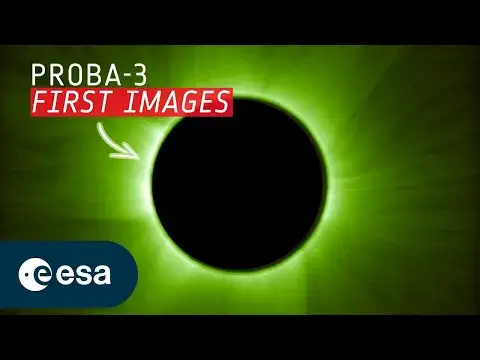
Launching New Insights into the Solar Corona’s Mysteries
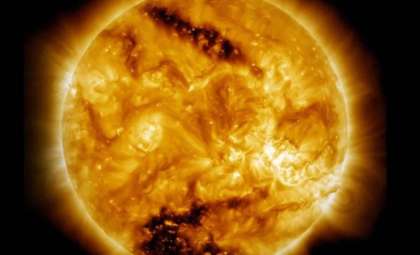
The solar corona, a region of the Sun's atmosphere reaching temperatures above a million degrees Celsius—far hotter than the visible surface—has long puzzled scientists. Understanding this area is vital for decoding solar phenomena such as solar wind and coronal mass ejections (CMEs), which can influence space weather and impact Earth-based technologies like communication systems and power grids.
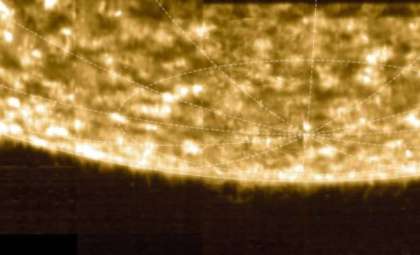
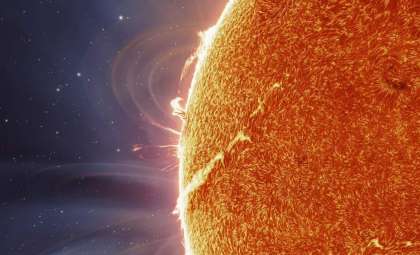
Proba-3’s ASPIICS coronagraph has captured extraordinary images that highlight the fine details of the solar corona’s structure. Images taken on May 23, 2025, display intricate plasma loops erupting from the Sun’s surface, resembling formations seen during solar flares. This breakthrough provides a sharper, more detailed perspective than conventional coronagraphs, pushing forward solar science.
Advancing Understanding of Solar Wind and Space Weather
Detailed observations of the solar corona enhance our grasp of space weather dynamics, particularly concerning CMEs—enormous solar eruptions releasing energy that can disturb Earth’s magnetic field and induce geomagnetic storms. Proba-3’s data supports more accurate forecasting of such events and their potential effects on our planet.
Alongside ASPIICS, Proba-3 is equipped with other scientific instruments, including the Digital Absolute Radiometer (DARA) and the 3D Energetic Electron Spectrometer (3DEES). These tools enable comprehensive analysis of the Sun’s energy emissions and the energetic particles influencing Earth’s radiation belts, deepening our understanding of solar-terrestrial interactions.
Pioneering Autonomous Formation Flying in Space
The precision formation flying conducted by Proba-3, achieved without human intervention, underscores the progress in autonomous spaceflight technology. ESA’s mission lead, Damien Galano, noted, “Having two spacecraft fly in unison to form a large coronagraph in orbit allowed us to observe the inner corona with minimal stray light, just as planned.”
Although still in its initial phase, the mission’s early accomplishments indicate the vast potential of this technology for upcoming endeavors. The satellites rely on a suite of sensors, star trackers, optical imaging, and laser rangefinders to maintain alignment autonomously. ESA’s goal is to reach full self-governance for the formation flying, eliminating the need for constant Earth-based oversight.
- Categories:
- News



0 comments
Sign in to Comment