
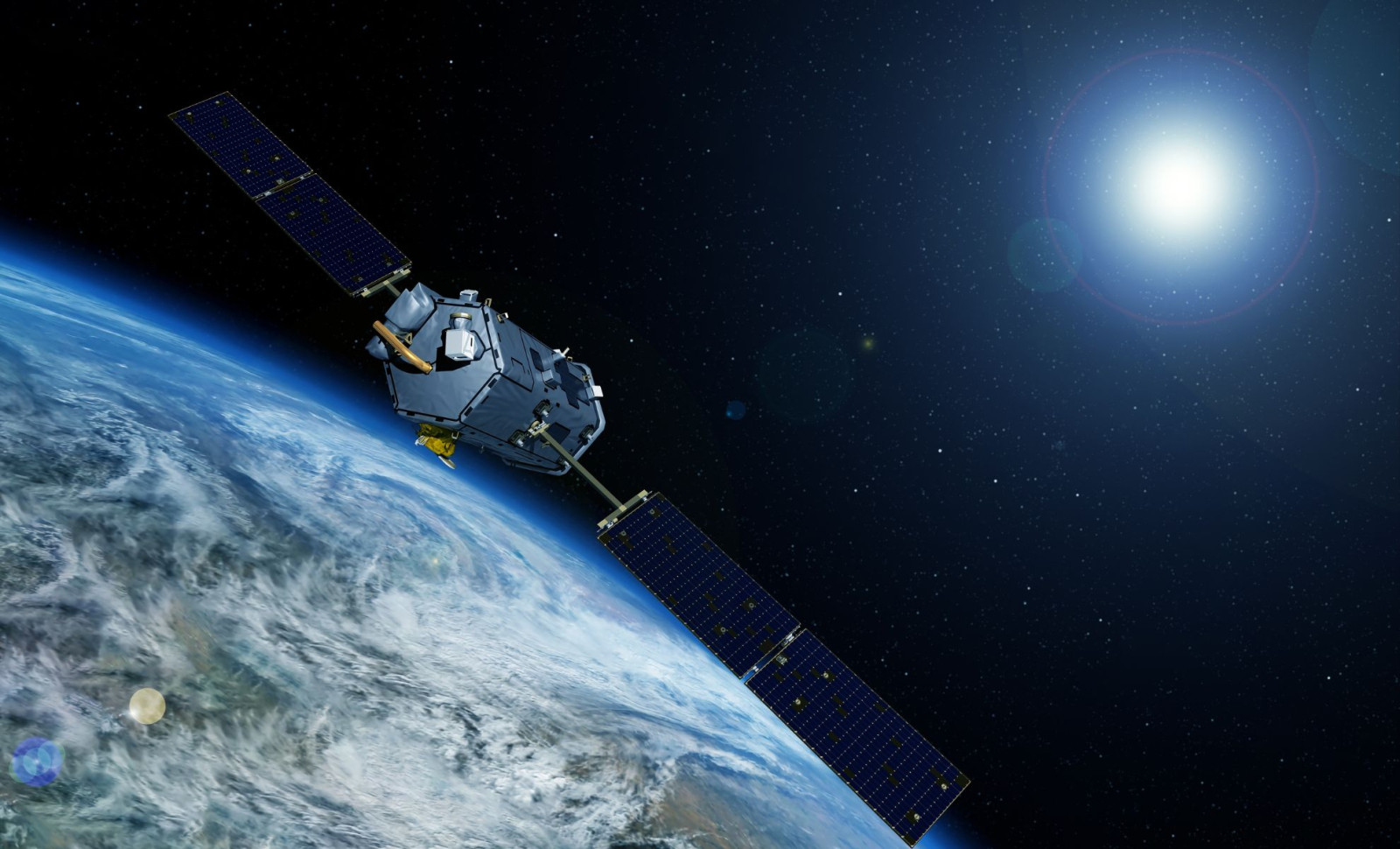
As the population of satellites orbiting Earth grows, European innovators are advancing robotic technologies to service these space assets, aiming to prolong their operational life. These machines will handle tasks like maintenance, refueling, and repairs while in orbit.
With nearly 15,000 active satellites currently circling the planet, maintaining them has become critical. Yet, most were not designed for in-space servicing, leading to many being abandoned in so-called “graveyard orbits” or becoming hazardous debris if they fail. To tackle this, European engineers are building autonomous robots to undertake repairs and extend satellite functionality.
Innovative “Space Tow Trucks” Set to Transform Satellite Upkeep
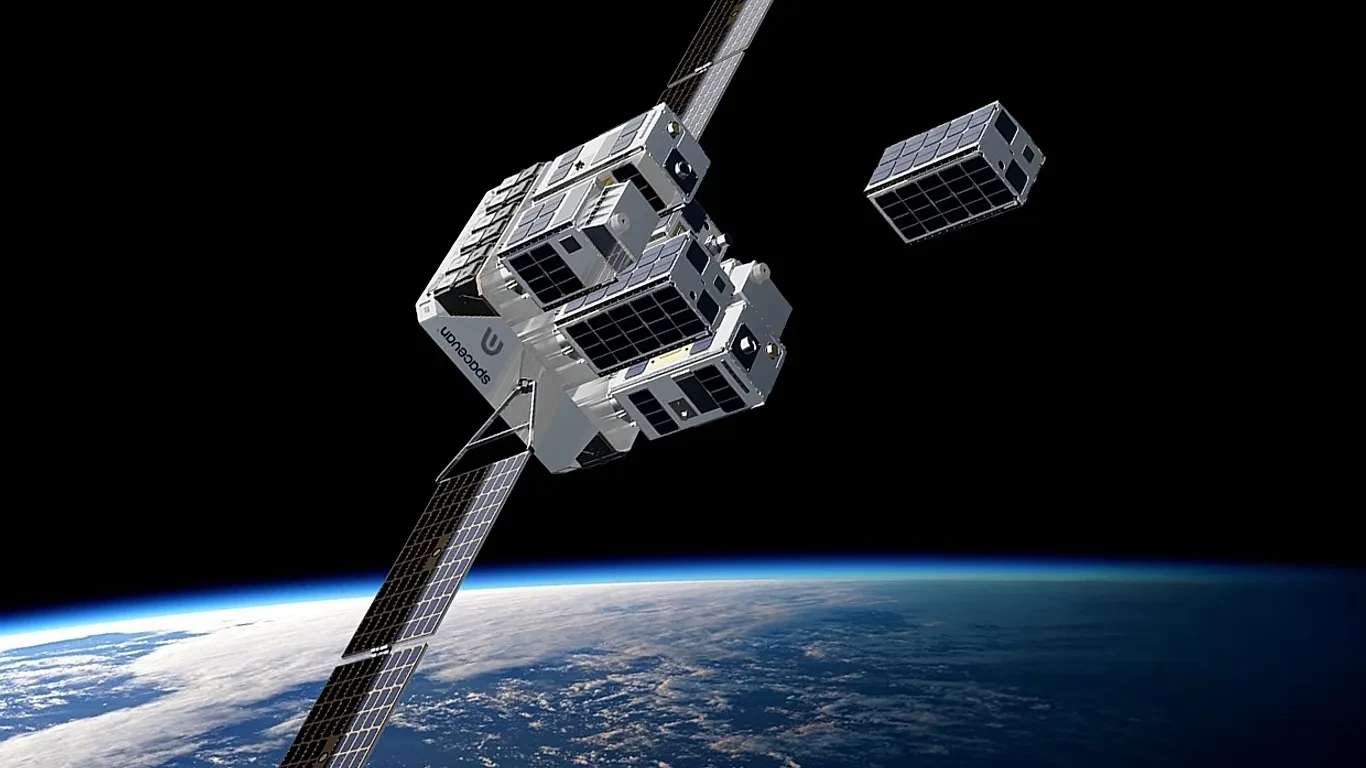
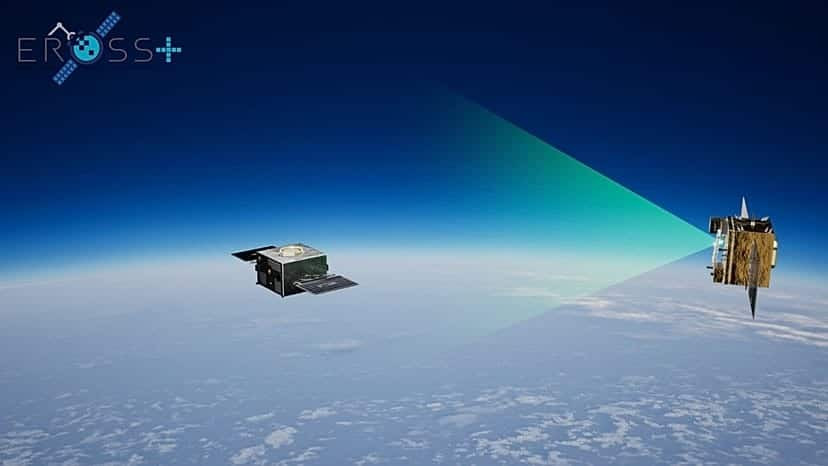
By 2028, Thales Alenia Space intends to demonstrate a robot satellite capable of refueling and repairing other satellites while in orbit. Equipped with a mechanical arm, this robotic system will move between satellites to conduct inspections, maintenance, and servicing tasks.

Stéphanie Behar-Lafenêtre, the project manager at Thales Alenia Space, compares this technology to “space tow trucks,” highlighting that the system will not only repair satellites but also relocate them to safer orbits if needed.
Growing Demand and the Path Through Complex Technologies
Euronews notes that the appetite for in-orbit maintenance will likely escalate, especially among satellites in geostationary orbit. Telecommunications operators, reliant on aging satellite infrastructure, may find repairs more cost-effective than new launches. Yet, the market for these services is still emerging and challenging to quantify.
“It’s difficult to estimate the market because it’s like the chicken and egg issue,” said Behar-Lafenêtre. “You always have to demonstrate that you’re able to do it so that someone is interested in purchasing the service.”
Engineering hurdles are significant, as the majority of satellites lack features for being physically captured or serviced. A proposed solution involves using sturdy metal rings common to about 75% of space vehicles, facilitating docking and maintenance. Success here could revolutionize satellite operations, notably for military and communication sectors.
Legal Challenges and Collaborative International Efforts
Beyond technical complexities, legal and regulatory hurdles remain significant barriers for deploying orbital repair robots. Questions arise about liability when a satellite owned by one nation is serviced by an entity from another.
Jean-Luc Maria, co-founder of ExoTrail, emphasizes the importance of clarifying these issues through international frameworks like the EU Space Law. These guidelines will help establish accountability in case of incidents during orbital repairs.
“When you reach a critical mass of this infrastructure, you start to have new needs that are in favour of the management of this infrastructure,” he explained, as quoted by Euronews.
Despite these obstacles, firms such as Thales Alenia Space and ExoTrail continue to advance their projects, aiming to make robotic satellite servicing a routine part of space infrastructure management in the near future.
- Categories:
- Space






0 comments
Sign in to Comment