
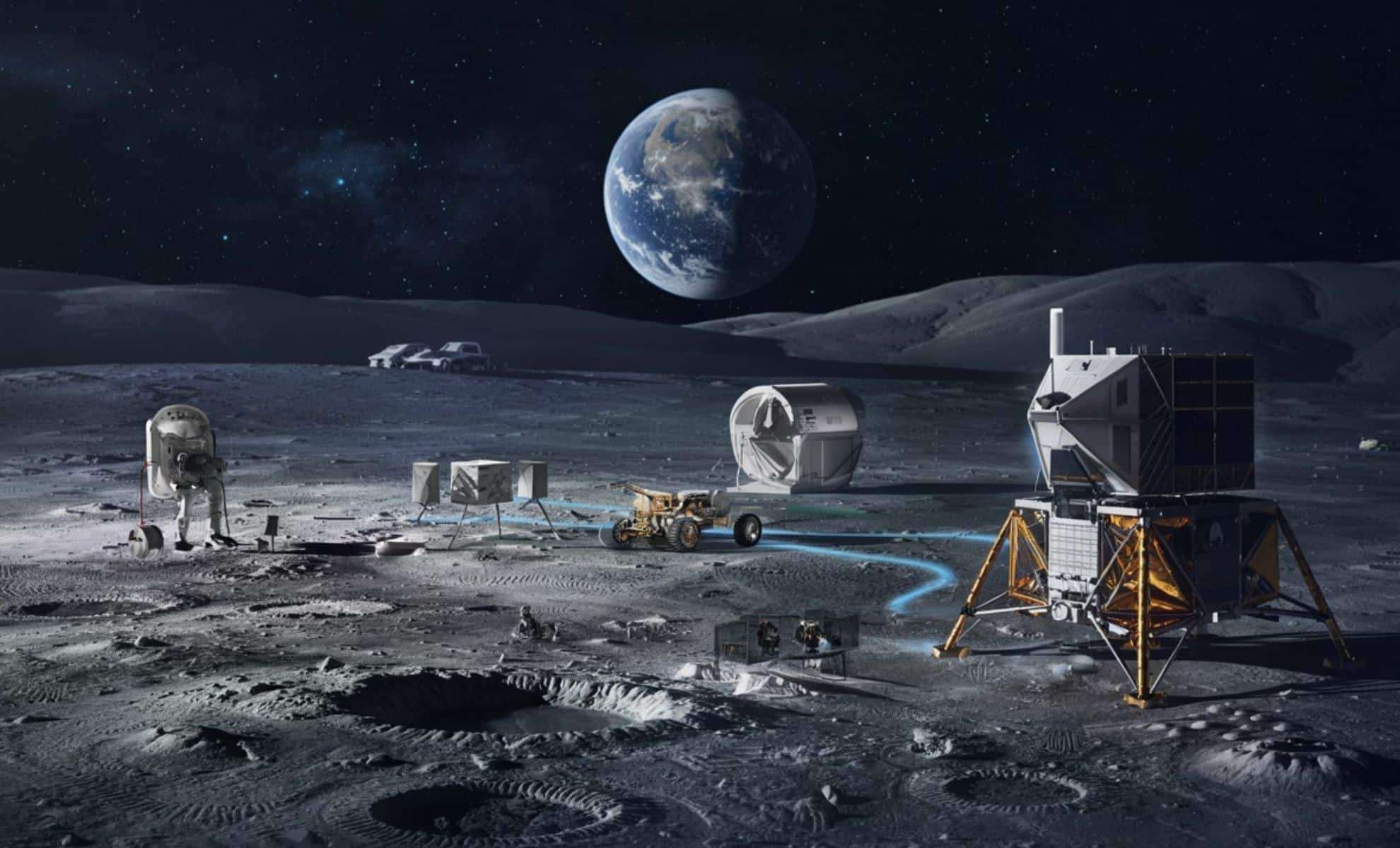
Approaching its 50th year, the European Space Agency (ESA) is shifting its lunar exploration agenda with growing determination. Amid rising geopolitical tensions and uncertainties clouding NASA’s Artemis program, ESA is discreetly positioning itself to mount an independent lunar mission that might even surpass the United States in this historic race.
ESA’s Evolving Dynamics with NASA
Europe has long been a vital partner alongside the United States in space endeavors, exemplified by collaborative projects such as the Artemis program. Yet, political upheavals—most notably during the Trump administration—have injected unpredictability into NASA’s strategic plans.
ESA representatives have expressed concerns over potential “alterations or cancellations” of shared initiatives, prompting doubts about the steadfastness of their cooperation. This uncertainty has led ESA to reconsider its reliance on external partnerships and explore independent avenues.

Didier Schmitt, ESA’s head of upcoming exploration missions, emphasizes that while the agency remains a “trusted collaborator with NASA,” it is increasingly prioritizing autonomously led projects. These new focuses encompass low Earth orbit ventures along with ambitious plans targeting the Moon and Mars. ESA is also nurturing stronger collaborations with nations like Japan and India to broaden its strategic alliances.
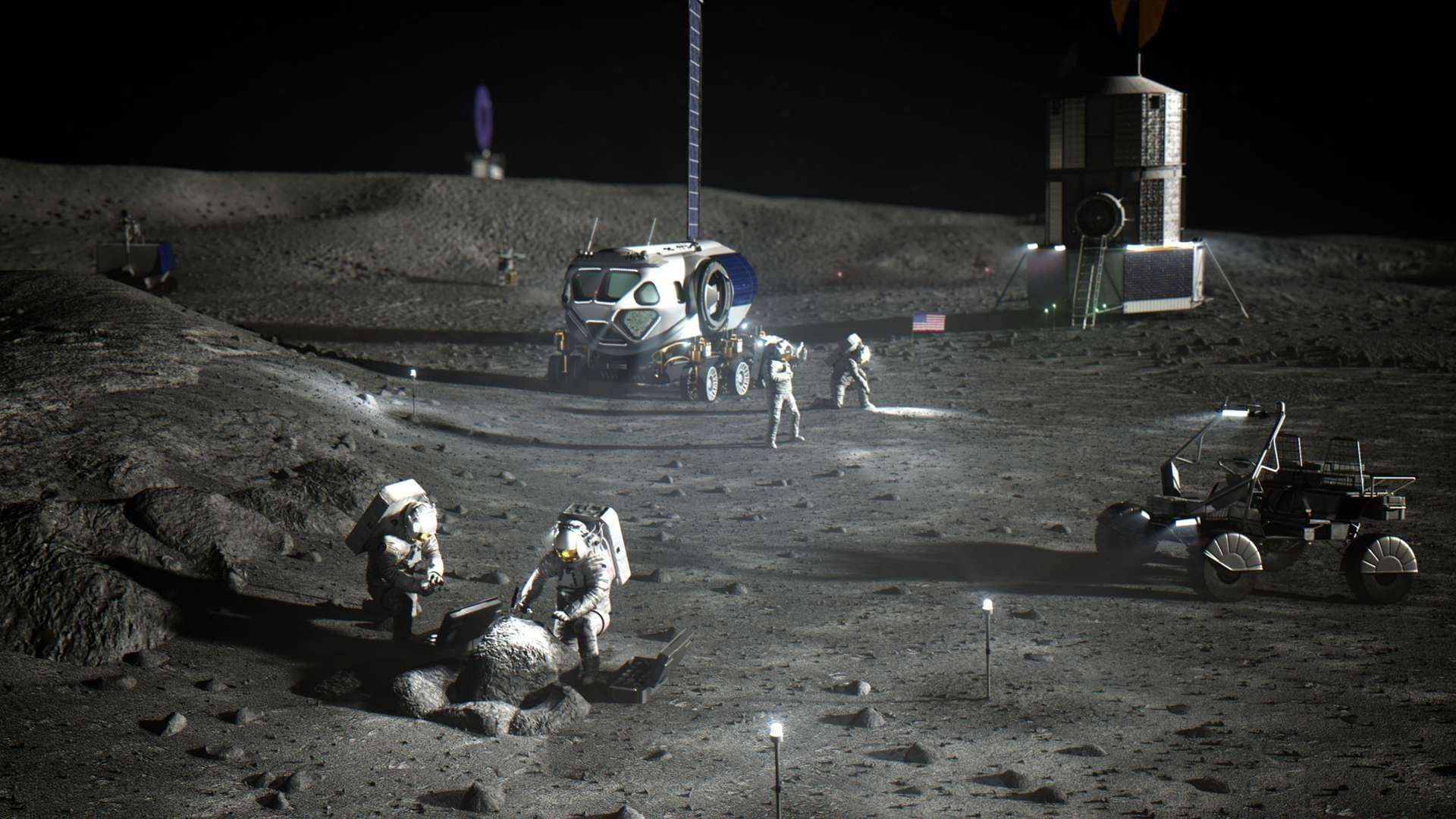
The Prospect of a European-Led Artemis Program
Although an ESA-driven “Artemis-style” initiative might appear surprising, the agency already possesses impressive technical and strategic capabilities. Historical programs like Ariane 5, Hermès, and Columbus have effectively laid the groundwork. ESA has consistently proven its ability to execute intricate missions with high precision and international collaboration.
The European Commission's backing could consolidate member states around a united lunar goal, strengthening not only competitiveness but also synergies with Europe’s expanding defense industry, poised for significant investments.
This unified push may reinvigorate public interest in space endeavors throughout Europe. Furthermore, achieving greater independence would allow Europe to mitigate vulnerabilities linked to shifting U.S. political priorities, especially as China and Russia advance their lunar and planetary ambitions.
Developing Independent Lunar Transport Capabilities
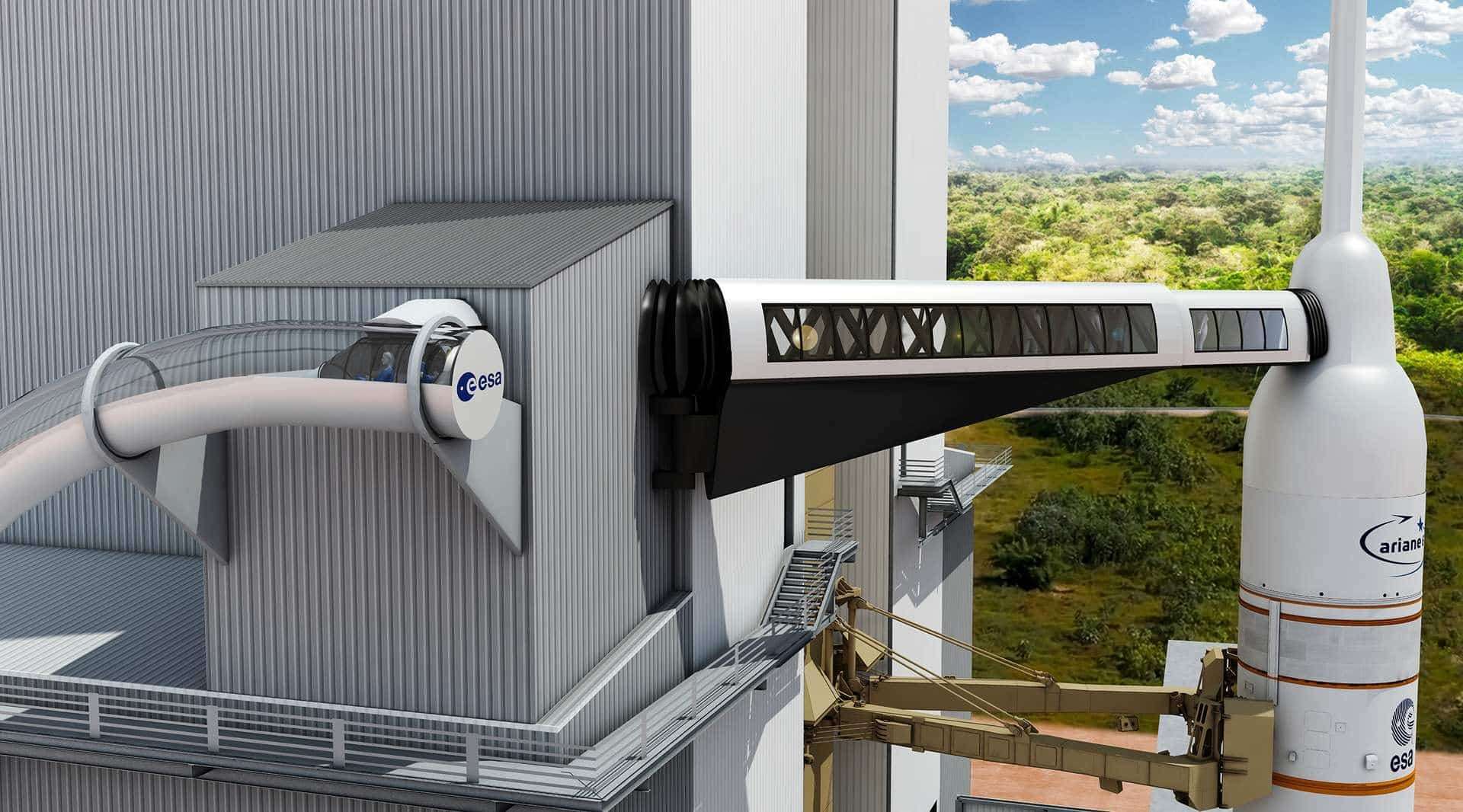
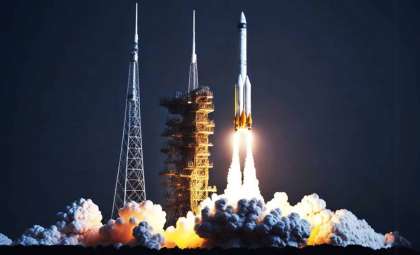
One of ESA’s greatest technological hurdles is transportation. While the Ariane 6 launcher is effective, it currently falls short of the roughly 40-ton payload needed for human lunar missions, managing around nine tons for trans-lunar trips. ESA will need either an Ariane 6 upgrade or an entirely new heavy-lift vehicle to fill this gap.
ESA has initiated groundwork through its LCRS program, selecting Thales Alenia Space and The Exploration Company to design reusable cargo spacecraft for low Earth orbit. With appropriate life support systems, these could evolve to carry astronauts in the future.
Incorporating private companies is central to ESA’s strategy, fostering public-private partnerships that offer cost-saving benefits and stimulate innovation within Europe’s commercial space industry.
European startups like PLD Space are pioneering cutting-edge launch technologies, and ESA’s collaborations might catalyze a diverse and nimble space market. Attracting ongoing investment will likely depend on securing long-term service agreements to minimize financial risks for private partners.
Blueprint for a Lasting Lunar Footprint
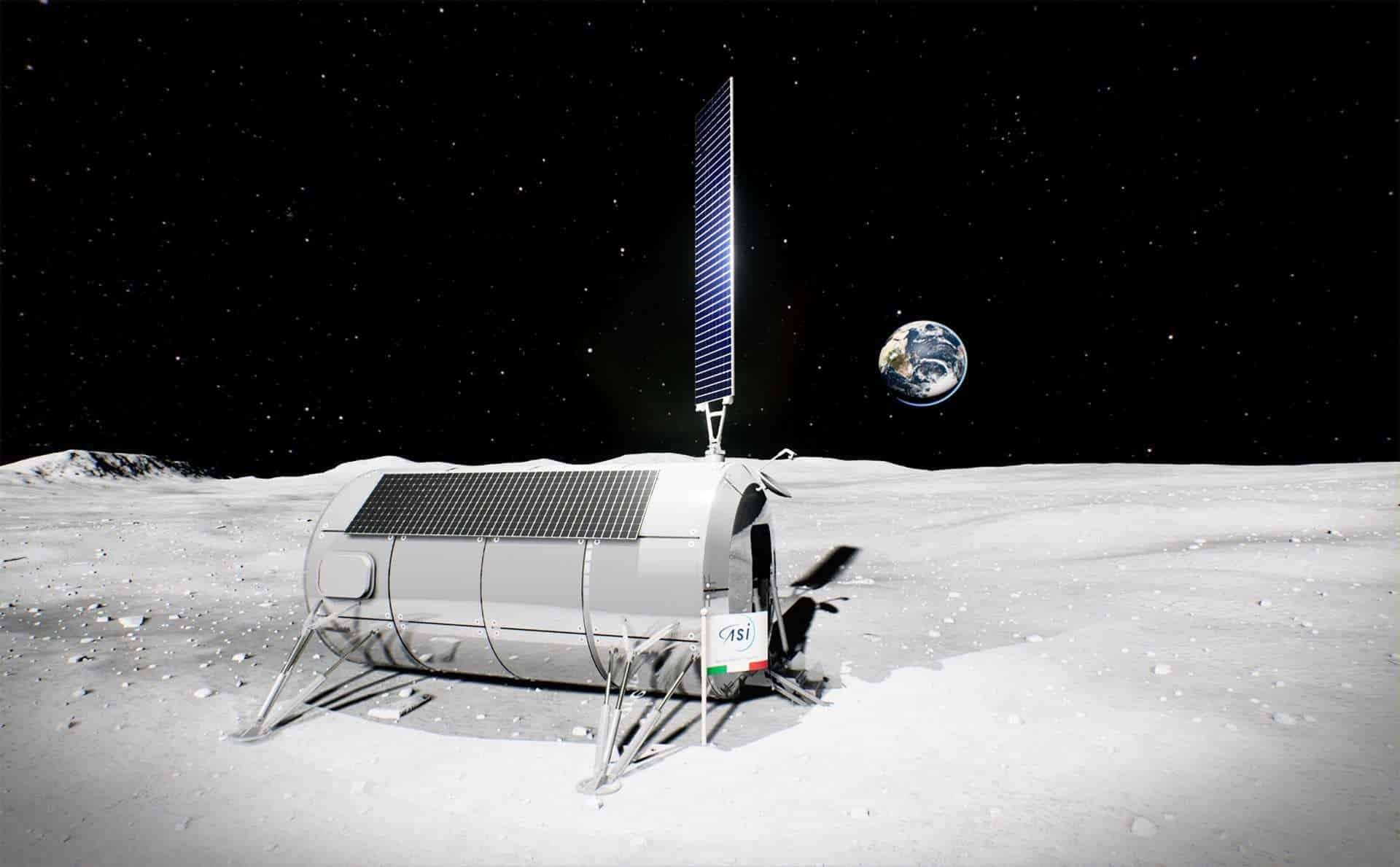
Establishing a sustainable human presence on the Moon is integral to ESA’s vision. A key initiative is the Multi-Purpose Habitat (MPH), a pressurized living module developed by Thales Alenia Space in partnership with the Italian Space Agency. Designed to integrate with NASA’s Artemis infrastructure, including rovers and other habitat elements, the MPH aims to offer astronauts a safe and comfortable environment for short to medium stays.
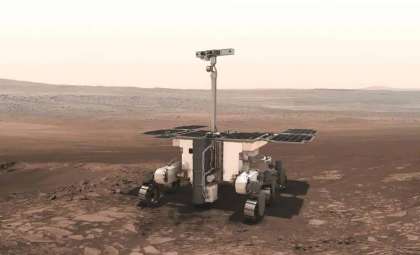
ESA is eyeing collaboration with Japan, which is fabricating a pressurized lunar rover for NASA, to enhance surface mobility. Additional options include the Flex rover, co-developed by Venturi Space and Astrolab, which would augment exploration capabilities alongside the habitat network.
Critical lunar communication and navigation will be facilitated by the Moonlight project, a satellite constellation developed by Telespazio and Thales Alenia Space. This infrastructure will ensure real-time coordination between astronauts and mission control during surface operations.
ESA’s forthcoming Argonaut lander is designed to transport up to 1.7 tons of cargo, including rovers, scientific instruments, and essential supplies like food and water. Although Argonaut can support initial mission power needs, long-term lunar activities will require more robust energy sources, with considerations ranging from solar arrays paired with battery reserves to compact nuclear reactors.
Establishing a Viable Lunar Economy
ESA’s vision for sustainable lunar presence emphasizes in-situ resource utilization (ISRU). Techniques such as harvesting lunar ice for drinking water and oxygen, alongside using lunar soil to build habitats, promise to significantly reduce supply demands from Earth.
Beyond aerospace, ESA aims to engage industries like agriculture, pharmaceuticals, and IT, fostering a space-based industrial ecosystem in Europe. Technologies originating from lunar missions, including water recycling, oxygen production, and thermal insulation, could have transformative applications in Earth’s most demanding environments.
Even waste management in lunar colonies is pioneering new approaches. The strict resource management required encourages circular economy models that might inspire sustainable urban development on Earth.
Nonetheless, a critical gap remains in defining how European astronauts would land on and ascend from the Moon. ESA is considering diverse approaches, from licensing human landing systems developed by SpaceX and Blue Origin to engineering proprietary descent and ascent vehicles, each presenting different trade-offs in cost, autonomy, and strategic benefit.
Despite political uncertainties, many in the aerospace community believe Europe is on the cusp of achieving its lunar dreams. The necessary components are aligning, and ESA’s envisioned Moon presence is swiftly transitioning from visionary concept to attainable reality.
- Categories:
- Space






0 comments
Sign in to Comment