
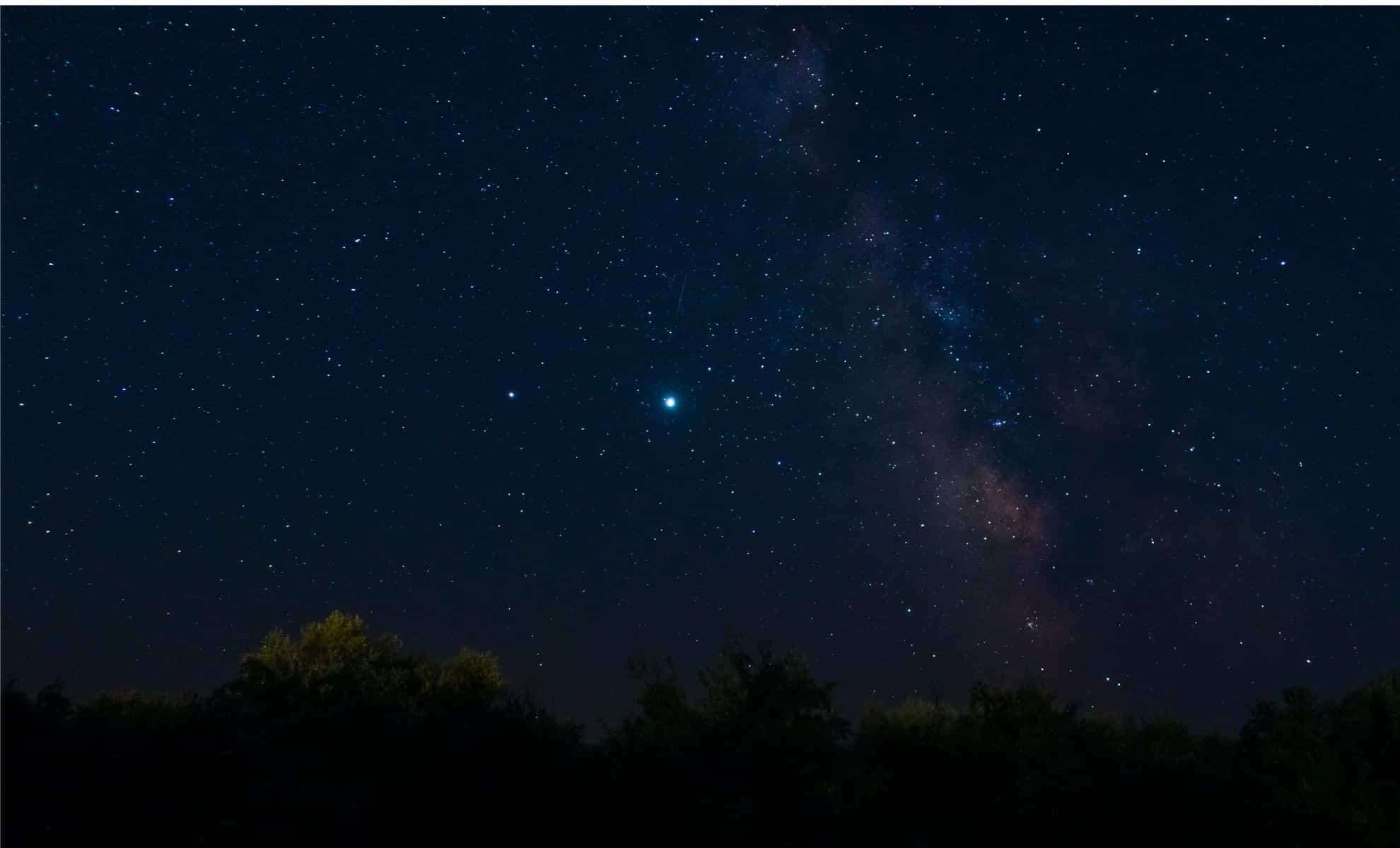
The upcoming new moon phase will cloak the night in profound darkness, presenting an exceptional chance for stargazers to admire the splendor of summer constellations. As the moon prepares to wax once more, its absence ensures the sky remains free of bright lunar light, creating perfect conditions for detailed astronomical viewing.
The Arrival of Timeless Summer Star Patterns
This week’s moon-free evening coincides with the shift to the summer night sky, unveiling constellations that had remained hidden during previous months. Notably, the Summer Triangle stands out—an iconic asterism composed of three luminous stars: Vega in Lyra, Deneb in Cygnus, and Altair in Aquila. These stars form a vast triangle in the eastern sky, serving as a guide to spotting other summer constellations.
The absence of moonlight also boosts the clarity of subtler constellations like Hercules, Scorpius, and Sagittarius. Hercules, located west of Lyra, hosts the brilliant Great Globular Cluster (M13), a densely packed star cluster that becomes strikingly visible in dark conditions. Scorpius, a zodiac constellation, arcs prominently along the southern horizon and is easily identified by its fiery red star Antares, known as the constellation’s “heart.”

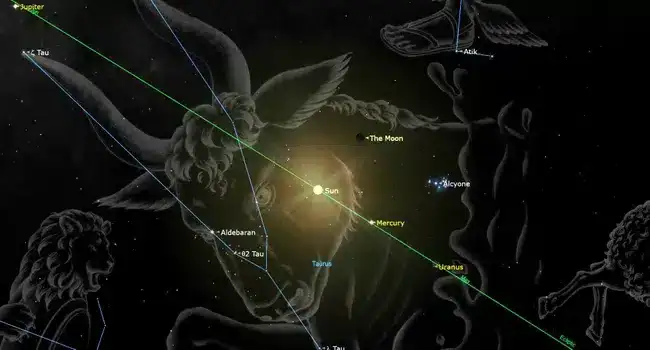
Night Without Moonlight Reveals More Cosmic Wonders
Beyond constellations, the new moon provides prime conditions to observe deep-sky objects such as nebulae, galaxies, and star clusters that are often obscured by the moon’s brightness. One spectacular object to look for is the Lagoon Nebula (M8) in Sagittarius, which appears as an ethereal glow through binoculars or small telescopes under dark May skies.
Those observing from locations with minimal light pollution will find the experience especially rewarding. The Milky Way will stretch magnificently across the sky, displaying its dense band of stars and cosmic dust. Such vivid views of our galaxy are becoming increasingly rare globally, making these nights precious for both novice and seasoned astronomers.
Tips for Optimal Moonless Night Stargazing
To maximize the benefits of this new moon, choose a vantage point with a broad horizon and very little artificial light. Allow your eyes to adapt in darkness for at least 20 minutes to detect faint stars and celestial bodies. Utilizing a star chart or astronomy app can greatly assist in identifying key constellations and tracking their progress.
The following new moon will take place on Wednesday, June 25, offering another excellent opportunity for dark sky observations. Until then, the gradually brightening waxing moon will reduce visibility of dimmer stars and deep celestial objects.
- Categories:
- News








0 comments
Sign in to Comment