
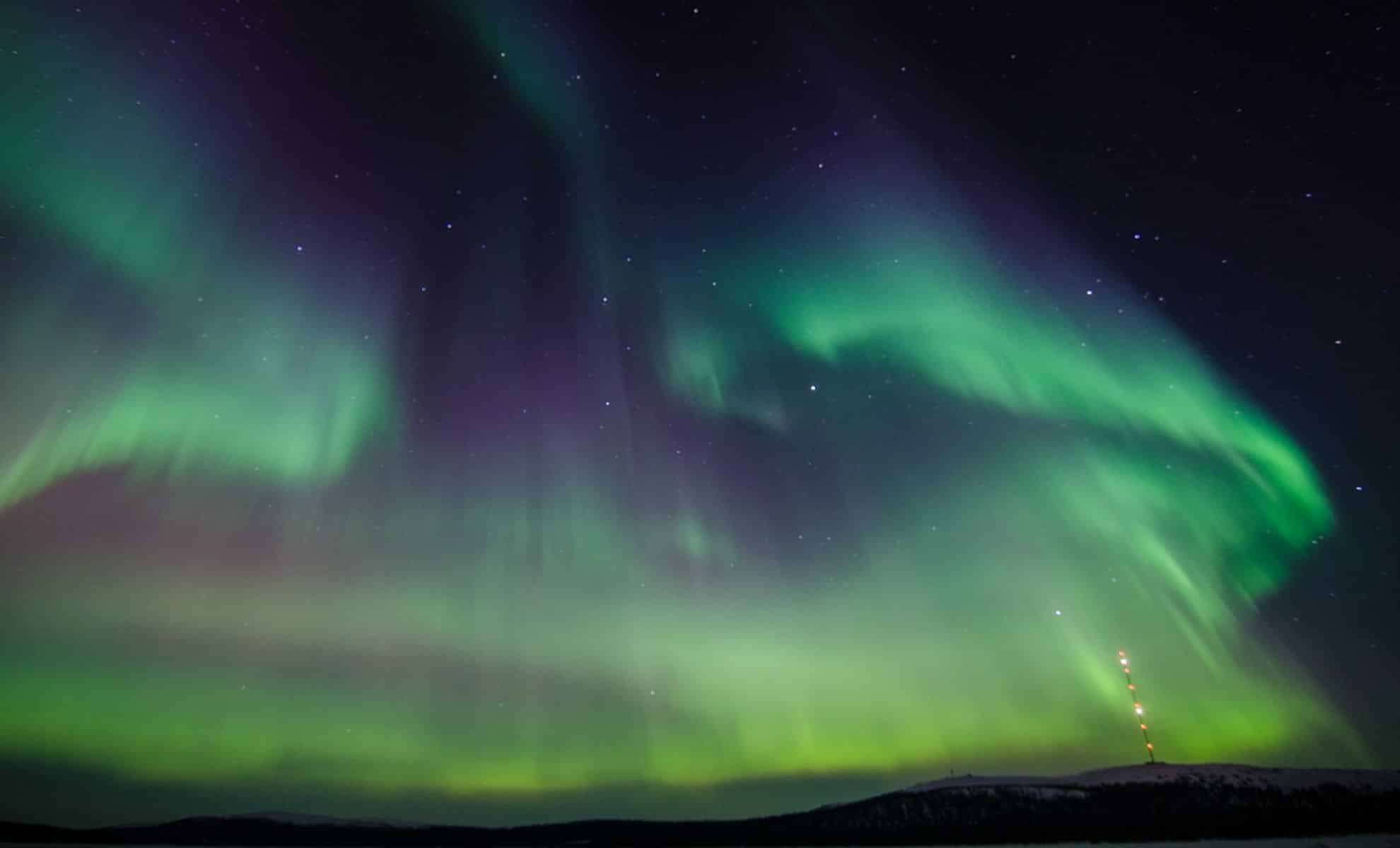
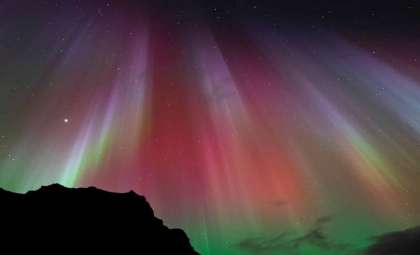
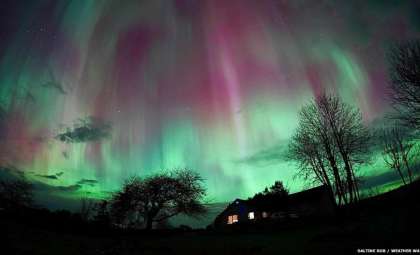
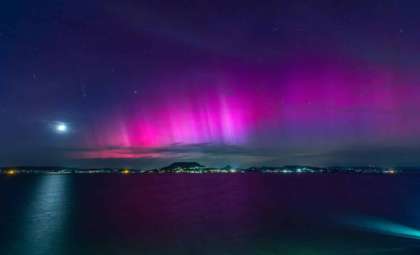
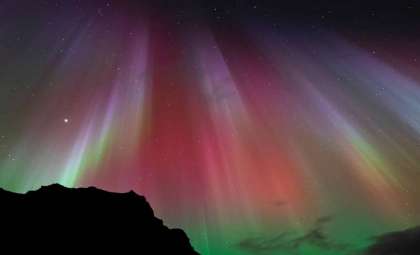
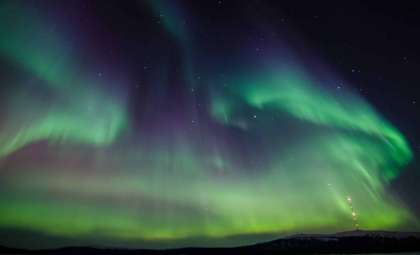
Tonight, residents in several northern U.S. states have a special opportunity to see the breathtaking aurora borealis, sparked by heightened geomagnetic disturbances linked to solar surface activity. The National Oceanic and Atmospheric Administration (NOAA), responsible for monitoring space weather and auroral events, has released forecasts identifying key viewing regions. Their experimental aurora view line map reveals a band stretching into eight northern states—extending farther south than usual. This intensified auroral activity aligns with the current solar cycle, making the northern lights more accessible to a wider audience across the United States this season.
Which States Are Prime Spots for Aurora Viewing Tonight?
According to NOAA’s latest outlook, eight northern states offer the best opportunity to witness the northern lights. These include northeastern Washington, northern Idaho, Montana, North Dakota, northern Minnesota, northern Wisconsin, and Michigan’s Upper Peninsula. These locations lie just south of the Canadian border, the typical hotspot for auroral activity, which also encompasses Alaska and much of Canada. Forecasters expect the Kp index to reach 3 on a 0 to 9 scale, representing moderate geomagnetic storms. This intensity is sufficient to push the aurora display further south than normal, giving people in these states a rare chance to enjoy the spectacle without traveling far north.
Tips to Enhance Your Northern Lights Viewing Experience
For the best chances of observing the northern lights, seek out an area with an unobstructed view toward the northern horizon, away from city lights. The prime viewing hours are between 10 p.m. and 2 a.m. local time when auroral activity peaks. Choosing a higher elevation with a clear line of sight north will boost visibility. Photographers are advised to use wide-angle lenses with apertures around f/4 or lower, set their focus to infinity, and mount cameras on tripods for stability. Smartphone users should activate night mode and turn off the flash to capture better photos. These techniques greatly improve the chance of experiencing and preserving the dazzling aurora borealis imagery.

Why Are the Northern Lights Visible So Far South This Year?
The extended visibility of the auroras into lower latitudes is due to the sun’s 11-year cycle. Last October signaled the solar maximum—a peak of solar activity featuring numerous solar flares and coronal mass ejections. These solar events send charged particles streaming toward Earth, where their interaction with atmospheric gases causes the vivid light displays known as the northern lights. NOAA’s forecasts suggest that while geomagnetic activity is expected to wane after Tuesday, sporadic active episodes caused by cooler, less dense solar regions could still generate auroras. This solar maximum phase ensures 2025 remains an excellent year for aurora sightings across much of northern America.
What Lies Ahead for Aurora Viewing After Tonight?
NOAA’s short-term forecast indicates a gradual reduction in geomagnetic disturbances after Tuesday night. The Kp index should decline to about 2 on Wednesday and Thursday, meaning calmer conditions that will mostly limit aurora visibility to high latitudes near the poles. However, the overarching solar maximum cycle persists through early 2026, offering ongoing opportunities to catch the lights. Those eager to track auroral activity should regularly check NOAA’s aurora view line maps and space weather reports to stay updated on the best times and places for viewing this spectacular natural phenomenon.
- Categories:
- News



0 comments
Sign in to Comment