

Skywatchers have a captivating celestial display to look forward to in June 2024, as the iconic "strawberry moon" coincides with the summer solstice. This rare alignment creates a visually striking and culturally meaningful event.
The Meaning Behind the Strawberry Moon
The term "strawberry moon" refers to the full moon occurring in June. This name was coined by Native American tribes of the northeastern United States, inspired by the brief strawberry harvesting season which signified the start of summer fruit gathering.
Despite its name, the moon doesn’t usually appear red. Instead, it shines as a normal full moon with a luminous glow. Occasionally, atmospheric factors and the moon’s low altitude can impart faint pink or reddish tones.

NASA notes that when the June full moon aligns near the summer solstice, it may display a delicate reddish or rosy tint. This effect occurs as moonlight traverses a greater expanse of Earth’s atmosphere, similar to the reddish hues seen during sunrise or sunset.
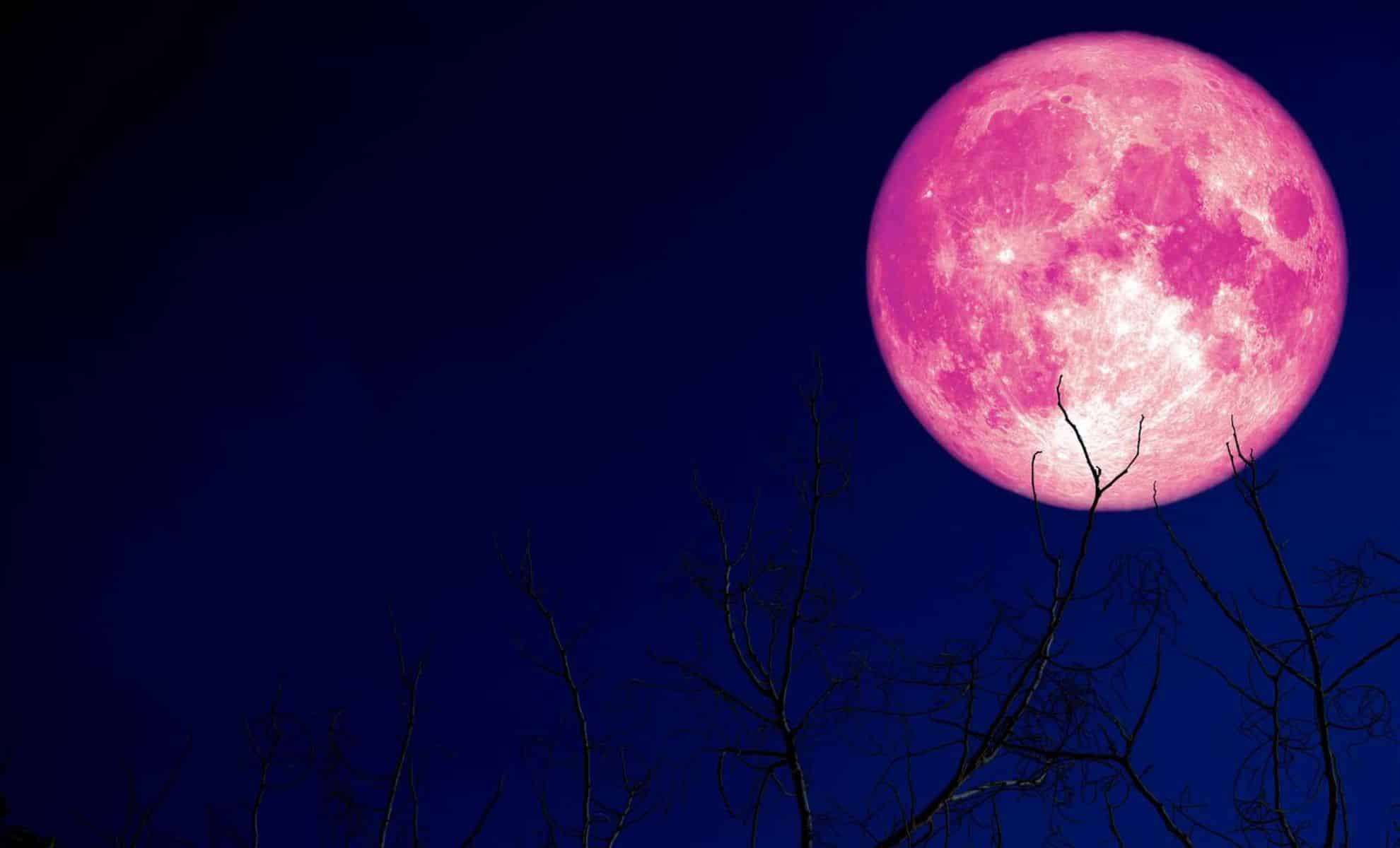
This phenomenon is especially evident in higher latitudes, where the moonlight passes through an extended atmospheric path, scattering shorter blue wavelengths and letting longer red wavelengths prevail.
When and How to See the Strawberry Moon
The strawberry moon will reach its peak fullness at 9:07 p.m. Eastern Time on Friday, June 21. It will be seen low in the southeastern horizon, making it the lowest full moon in the sky for several years. Per the Old Farmer’s Almanac, the moon will be 97% illuminated at its rise around 7:45 p.m. on June 20. By approximately 8:50 p.m. on June 21, it will be completely full, maintaining total illumination into June 22, rising just past 9:45 p.m.
This low altitude amplifies the "moon illusion," where the moon appears unnaturally large when close to the horizon. This effect is a trick of perception caused by our brains comparing the moon to nearby terrestrial objects like trees or buildings.
At moonrise, its color often shifts to warm oranges or yellows, due to the scattered shorter wavelengths in Earth’s atmosphere, allowing the longer red and orange light waves to dominate.
Linking the Strawberry Moon with the Summer Solstice
The strawberry moon’s appearance shortly after the summer solstice on June 20 adds depth to this event’s significance. The solstice marks the longest daylight period and the start of summer in the Northern Hemisphere, with the sun at its peak altitude.
This astronomical timing has been honored for centuries as a symbol of renewal, fertility, and celebration.
Since the sun reaches its highest point during the solstice, the moon is positioned opposite it, at its lowest point in the sky. This unique geometry heightens the visual impact of the strawberry moon, making its glow even more captivating. Such a pairing of solstice and full moon is uncommon and represents the harmony between light and darkness, day and night.
Historical and Cultural Insights
The June full moon carries multiple names reflecting diverse cultural and regional traditions. European cultures sometimes call it the "rose moon" because of the peak blooming of roses in late June, acknowledging the moon’s role in indicating seasonal shifts and agricultural stages.
Other designations include "hot moon" for the intensifying summer heat, and "honey moon" or "mead moon" which refer to the moon’s low position that gives it a warm hue. Historically, June full moons were linked to weddings and fertility rituals, where the "honey moon" became symbolic of prosperity and new beginnings.
These diverse names highlight humanity’s longstanding connection to the moon as a marker of natural cycles and a central figure in cultural practices. The strawberry moon stands as a reminder of nature’s rhythms and the importance of lunar observations for agrarian life and seasonal celebrations.
Tips for Optimal Moon Viewing
To fully appreciate this moon event, choose a location with an unobstructed view to the southeastern horizon, ideally away from city lights that cause light pollution. Dark, rural areas offer the best conditions to observe the moon’s brilliance.
The moon will appear most impressive shortly after rising, so plan to be outdoors at sunset. For enhanced detail, binoculars or telescopes can reveal surface features like craters and maria (dark lunar plains formed by ancient volcanic activity).
The coincidence of the strawberry moon with the summer solstice provides an exceptional opportunity for both casual observers and astronomy fans to witness a spectacular encounter. Whether alone or with others, seeing the full moon ascend low above the horizon promises a memorable experience.
This event offers not just a visual marvel but also a chance to connect with Earth's natural cycles and marvel at the cosmos’ wonders.
- Categories:
- Astronomy ,
- News ,
- Space











0 comments
Sign in to Comment