

Today, June 20, marks the official start of summer in the Northern Hemisphere, bringing the year’s lengthiest daylight period. This event, known as the summer solstice, happens when the sun reaches its northernmost point and is at its peak elevation in the sky.
This moment not only heralds summer's arrival above the equator but also signals the onset of winter in the Southern Hemisphere. The Northern Hemisphere enjoys its maximum daylight hours, while the Southern Hemisphere experiences the shortest days of the year.
Understanding the Importance of the Solstice
The summer solstice stands as a cornerstone in the astronomical calendar and has been celebrated by cultures worldwide for centuries. Historically, this day was venerated through rituals and festivals that praised the sun and its essential energy. Today, it remains an occasion for celebration and contemplation.

The solstice arises due to Earth’s 23.44-degree axial tilt. As our planet completes its orbit around the sun, this tilt causes one hemisphere to receive more direct sunlight during half of the year. Around the June solstice, the Northern Hemisphere leans toward the sun, producing extended daylight and shorter nights. Meanwhile, the Southern Hemisphere tilts away, resulting in decreased daylight and longer evenings.
A famous solstice tradition takes place at Stonehenge in England, where crowds gather to observe the sunrise perfectly aligning with the prehistoric stone circle. This alignment highlights the site’s ancient connection to solar events and attracts visitors who appreciate its cultural and historical significance.
Across the globe, similar festivities honor this astronomical milestone. In Nordic countries, for instance, solstice celebrations include lighting bonfires, communal feasts, and dancing, all dedicated to rejoicing in the sun’s peak presence.
Experiencing the Summer Solstice
Beyond cultural expressions, the solstice is a great occasion for astronomy enthusiasts. This year, the solstice is closely followed by the full Strawberry Moon on June 21, which will be fully visible at 9:08 p.m. EDT (0108 GMT on June 22). Positioned near the stars of Sagittarius, the full moon combined with the solstice makes for an impressive celestial event.
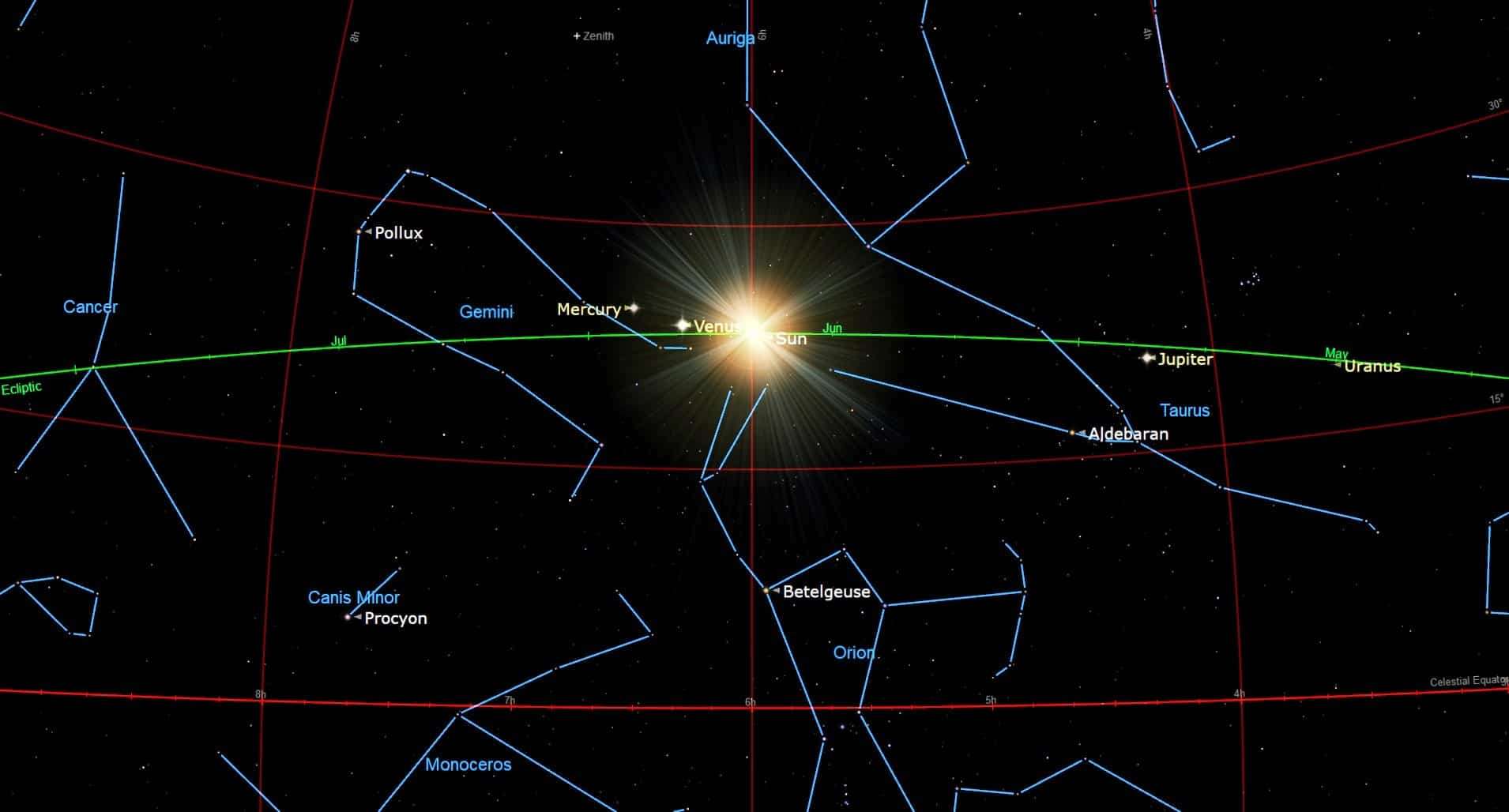
Many who celebrate the summer solstice in a spiritual way view it as a moment for renewal and introspection, often choosing to immerse themselves in nature. The longer daylight hours encourage outdoor activities and a deeper connection to the environment. The coincidence of this year’s solstice with the Strawberry Moon enhances its significance by offering stargazers the chance to witness two major astronomical events in quick succession.
On a scientific level, the variable dates of the solstice stem from the fact that an astronomical year slightly exceeds the calendar year’s 365.25 days. As a result, the solstice shifts dates among June 20, 21, and 22. Despite this calendar variation, the solstice moment is simultaneous worldwide, so it may occur during nighttime in some regions and daytime in others.
Resources such as The Farmer’s Almanac Sunrise and Sunset Calculator allow people to discover local daylight lengths on the solstice. For those living north of the Arctic Circle, the sun remains above the horizon all day, creating the natural spectacle known as the midnight sun, where daylight extends for weeks or even months.
Impact of the Solstice on Earth’s Climate
The summer solstice plays a direct role in shaping Earth’s climatic conditions. With the additional sunlight reaching the Northern Hemisphere, temperatures rise and days become warmer, defining summer’s warmth.
The inverse occurs in the Southern Hemisphere, where diminished sunlight signals the beginning stages of winter. Comprehending Earth’s tilt and the solstice is essential for understanding how seasonal shifts influence ecosystems and weather worldwide. These celestial cycles underpin the natural patterns that sustain life on our planet.

Daisy Dobrijevic from Space.com emphasizes the distinctive elements of the solstice: “We owe the June solstice, along with the seasons, to Earth’s tilt as it orbits the sun. Without it, both the Northern and Southern Hemispheres would receive equal light throughout the year.”
The summer solstice invites us to reflect on the fascinating relationship between Earth and the sun. It encourages appreciation for the long, bright days and warming temperatures typical of this period. From ancient rituals to contemporary festivities, this celestial event continues to connect humanity with the cosmic cycles governing our world.
- Categories:
- News












0 comments
Sign in to Comment