
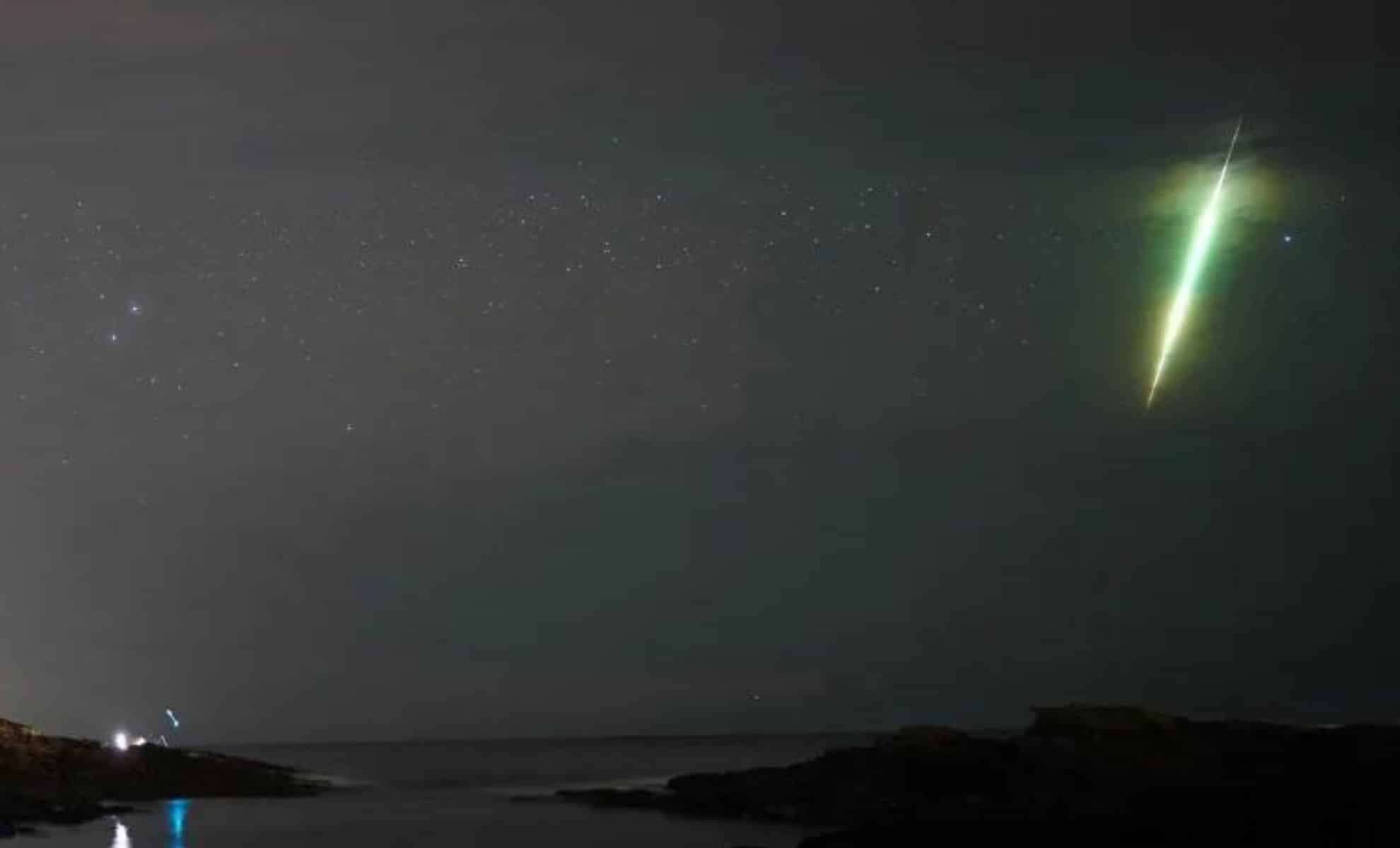
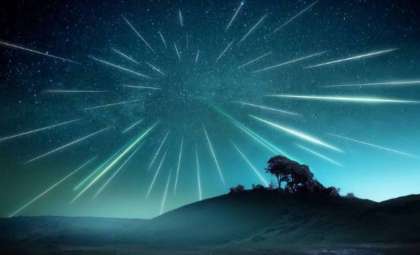
Each October, the Draconid meteor shower returns, providing an uncommon chance for observers to witness meteors shining in the early evening instead of the typical late-night hours.
Though generally considered a dim meteor shower, the Draconids are famous for their capricious behavior. A night with just a few meteors might suddenly erupt into a spectacular spectacle featuring hundreds or even thousands of luminous streaks. This “all-or-nothing” phenomenon makes the Draconid shower especially captivating for stargazers.
Taking its name from the Draco constellation, where the meteors seem to originate, this star pattern depicts a dragon winding through the northern sky near the Big Dipper and Little Dipper. The meteors are particles from Comet 21P/Giacobini-Zinner burning up upon entering Earth's atmosphere, resulting in the dazzling streaks of light.

The Science Behind the Draconids
Unlike famous showers like the Perseids or Geminids, Draconids feature slower meteor speeds. Traveling at approximately 21 kilometers per second, these meteors cross the sky more leisurely, allowing viewers to enjoy them for one to two seconds each. This leisurely pace makes them easier to see and often more striking despite fewer meteors overall.
The Draconid shower originates from debris left by Comet 21P/Giacobini-Zinner, which orbits the Sun about every seven years. When Earth moves through this debris trail each autumn, particles heat up in the atmosphere creating the meteor display. Periodically, a meteor storm occurs if Earth passes through a denser debris patch, resulting in thousands of meteors visible per hour. Such events were documented in 1933, 1946, and 2011.
Tips for Viewing the Draconid Shower
For those eager to observe the Draconid meteor shower, the optimal viewing period is just after sunset. Unlike showers peaking late at night or before dawn, the Draconids are best seen early in the evening, making them accessible to many. This year’s peak is forecast for the nights of October 7 and 8, though the shower is active from October 6 to 10.
Observers located in the Northern Hemisphere have the best vantage point, as the Draco constellation stands prominently after sunset. Conversely, the shower is less observable in the Southern Hemisphere due to the constellation's proximity to the horizon. To increase visibility, it is advisable to find a dark sky location away from urban lights and light pollution. Experts at NASA recommend rural or remote settings, which can triple the number of meteors visible.
Although normally producing about 10 meteors per hour, the Draconids can be surprisingly unpredictable. According to Bill Cooke, head of NASA’s Meteoroid Environment Office, “The Draconids are what I call an all-or-nothing shower. If there’s an outburst, it may be worth going out to see. But normal Draconid activity, they’re very faint, because they move so slowly.” This unpredictability keeps enthusiasts engaged, always hopeful for an outburst.
A Storied Past for the Draconids
The Draconid shower traces back to its first observation in 1900 by French astronomer Michel Giacobini, who discovered Comet 21P/Giacobini-Zinner at Nice University. The comet was independently re-identified in 1913 by German astronomer Ernst Zinner, which is why it carries both their names. The trail of debris left by this comet intersects Earth’s path annually, in October, forming the Draconid meteor display largely linked to the Draco constellation.
The Draconids stand out not only for their slower, more visible meteors but also for their occasional spectacular meteor storms. Notable storms in 1933 and 1946 saw thousands of meteors per hour, enchanting observers across Europe. A celebrated outburst in 2011 coincided with a close encounter between the comet and Earth, delivering a brilliant spectacle. Although rare, these events add anticipation to every Draconid season.
What Lies Ahead: Upcoming Showers and Future Storms
This year’s event is not predicted to produce a meteor storm, but astronomers are hopeful about 2025, when gravitational forces—especially from Jupiter—may steer denser debris toward Earth. This gravitational nudging can amplify meteor numbers substantially.
Beyond the Draconids, stargazers can anticipate several meteor showers in the upcoming months, like the Orionids in late October, the Leonids in November, and the Geminids in December. These tend to offer more frequent and brighter meteors, attracting both hobbyists and professionals. Yet, the Draconids remain distinctive for their erratic brilliance and potential for once-in-a-lifetime bursts.
In summary, the Draconid meteor shower provides a quietly captivating experience for early evening observers. While dramatic displays aren’t guaranteed every year, the chance of sudden intensity and the convenience of early viewing make it a must-see celestial event. Whether the night’s brilliance is modest or extraordinary, the Draconids exemplify the universe’s fascinating unpredictability.
- Categories:
- Astronomy ,
- News ,
- Nasa








0 comments
Sign in to Comment