
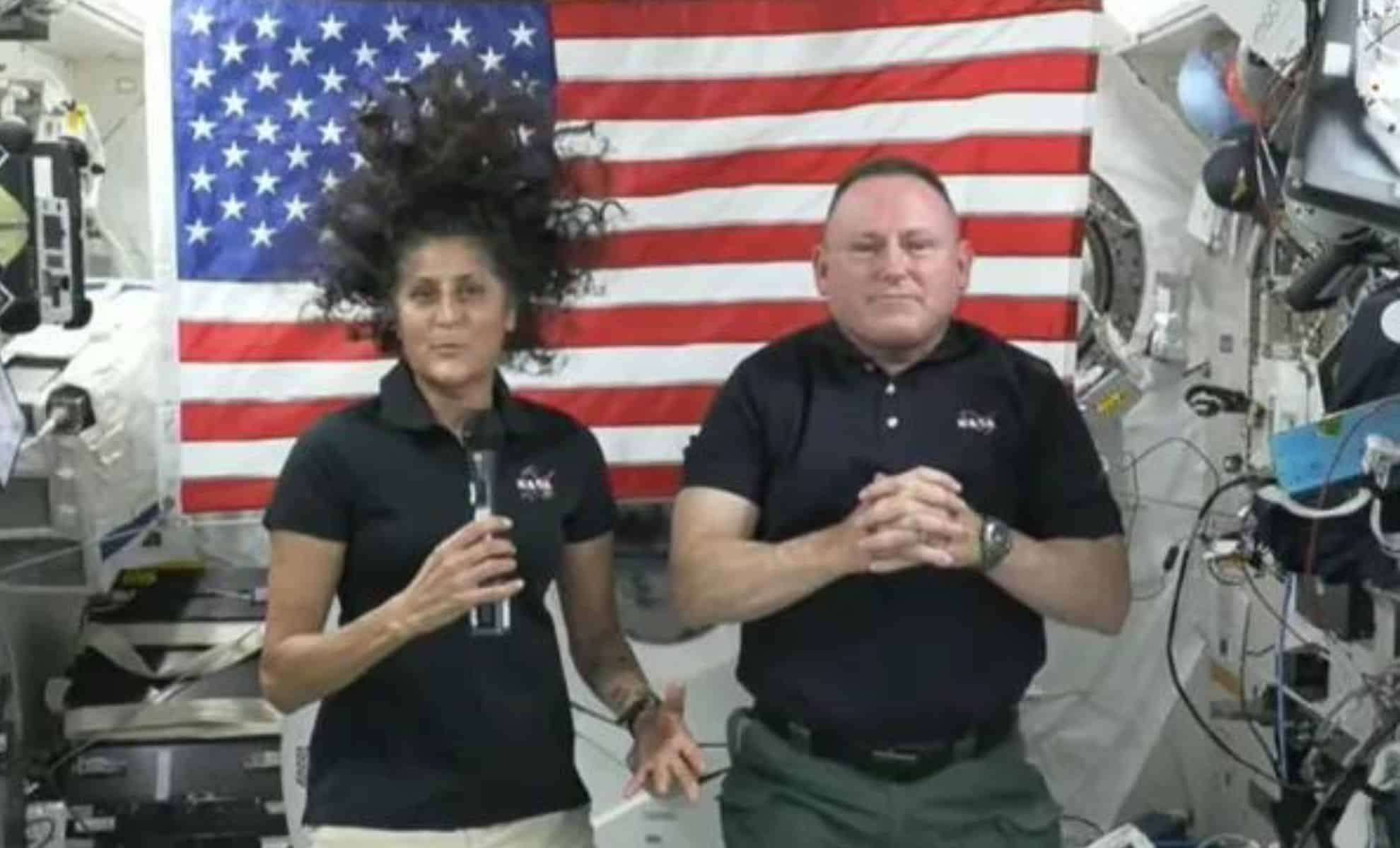
Astronauts Butch Wilmore and Sunita Williams have been sharing their experiences while spending extra time on the International Space Station (ISS) due to setbacks with Boeing's Starliner spacecraft.
Planned initially as a one-week journey, their mission has been prolonged indefinitely as NASA and Boeing address the technical difficulties encountered.
Challenges Faced by Starliner
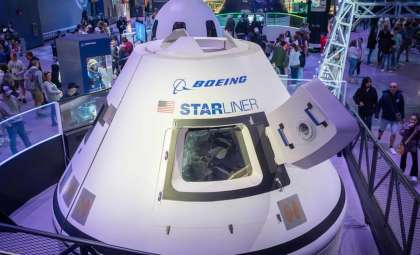
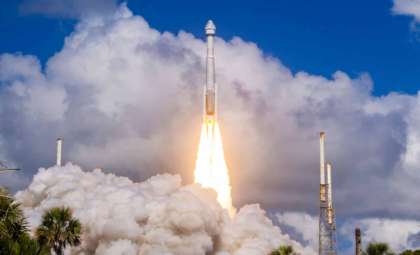
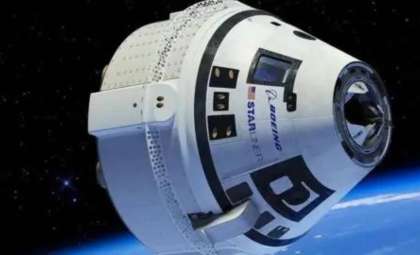
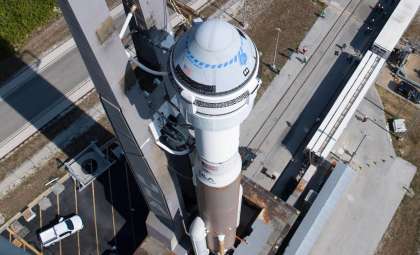
Launched on June 5, 2024, the Starliner embarked on its maiden crewed voyage aiming to validate Boeing’s capability in transporting astronauts safely to the ISS as part of NASA’s Commercial Crew initiative. However, the spacecraft experienced multiple malfunctions, including helium leaks and thruster complications, which have postponed the crew’s return.

Despite these hindrances, the crew remains positive about the vessel’s performance. Wilmore remarked during a brief, “The liftoff was incredible—truly breathtaking.” He acknowledged the spacecraft’s exceptional maneuvering during operational tests, though he noted unexpected thruster degradations while nearing ISS docking. Thanks to their rigorous training, they managed manual control effectively under these conditions.
Addressing Technical Challenges
Experts at NASA’s White Sands Test Facility in New Mexico are replicating docking conditions to analyze the thruster problems. Dan Niedermaier, Boeing’s lead engineer on the thruster tests, emphasized, “Understanding thruster behavior in flight scenarios is crucial. These tests will offer invaluable insights for the current Crew Flight Test and subsequent missions.”
The Starliner also encountered helium leaks early on, with the cause still under investigation. Astronaut Sunita Williams stated, “As a test flight, uncovering issues was expected. We’re actively investigating and collaborating with our ground control to implement fixes.”
Daily Life on the ISS
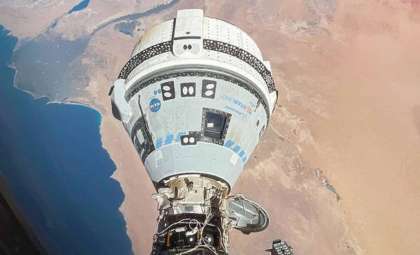
Since docking on June 6, Wilmore and Williams have been actively participating in the ISS’s routine, contributing to scientific experiments and undertaking maintenance duties. They have accomplished half of the hands-on scientific tasks onboard, allowing fellow crew members to focus on preparing for the departure of Northrop Grumman’s Cygnus spacecraft, according to NASA’s report.
The prolonged mission highlights the necessity for adaptability during space expeditions. Williams expressed confidence in their emergency preparedness: “If any issues arose on the ISS, we are equipped to board the Starliner, undock safely, communicate with the team, and return to Earth as needed.”
Alongside scientific work, astronauts also resolved unexpected malfunctions, such as a broken pump in the station’s water recycling system that converts urine into potable water. This critical failure demanded immediate attention, illustrating the significance of every component in the ISS. Dana Weigel, NASA’s International Space Station Program manager, noted, “The pump failure meant we had to manage waste storage carefully.” Consequently, NASA prioritized sending a replacement pump via Starliner, sacrificing some personal items of the astronauts.
Future Steps
NASA and Boeing assure that these technical concerns won’t compromise the crew’s safe return, though a definite schedule for their journey back remains unconfirmed. Steve Stich, heading NASA’s Commercial Crew Program, clarified, “Butch and Suni are not stranded. Our plan is to bring them home aboard Starliner when conditions are right.”
The extension offers valuable time to deepen understanding of the issues and verify solutions, which is essential for the continued success of Boeing’s Starliner within NASA’s Commercial Crew Program.
- Categories:
- Astronomy ,
- News ,
- Nasa ,
- Aircraft






0 comments
Sign in to Comment