
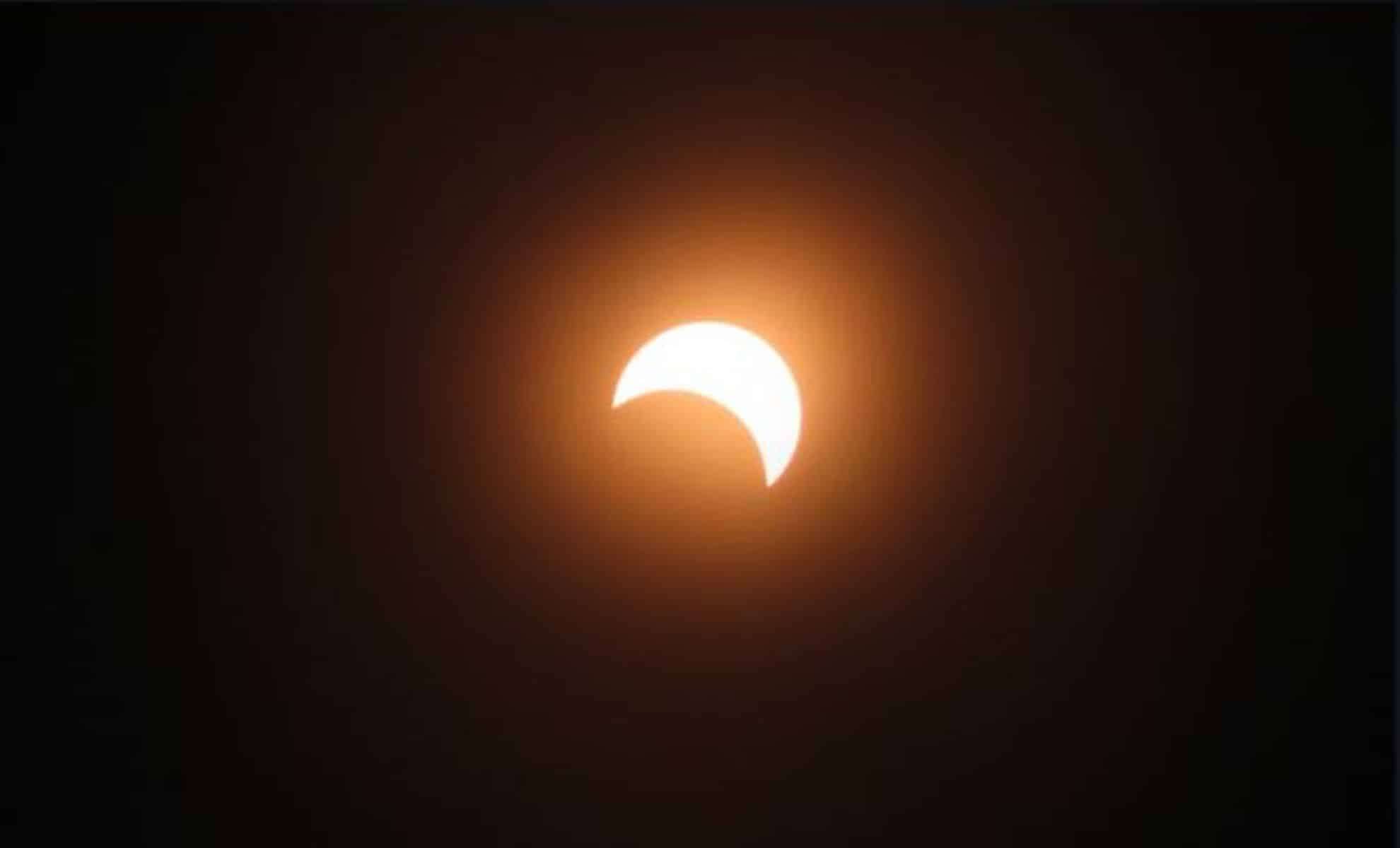
Mark your calendars for March 29, 2025, when many in the Northern Hemisphere will witness a captivating astronomical event—a partial solar eclipse. This occurs as the Moon moves between Earth and the Sun, obscuring a portion of the Sun’s luminous surface and casting a shadow over certain regions. Although the Sun won't be completely covered, some areas will experience a remarkable obscuration of up to 94%.
Skywatchers can expect breathtaking views, especially where the eclipse coincides with sunrise, creating a striking “horned sunrise” effect. This event offers ample opportunity for both amateur astronomers and experts to appreciate the interplay between the Earth, Moon, and Sun.
Viewing Details: Date, Locations, and Times
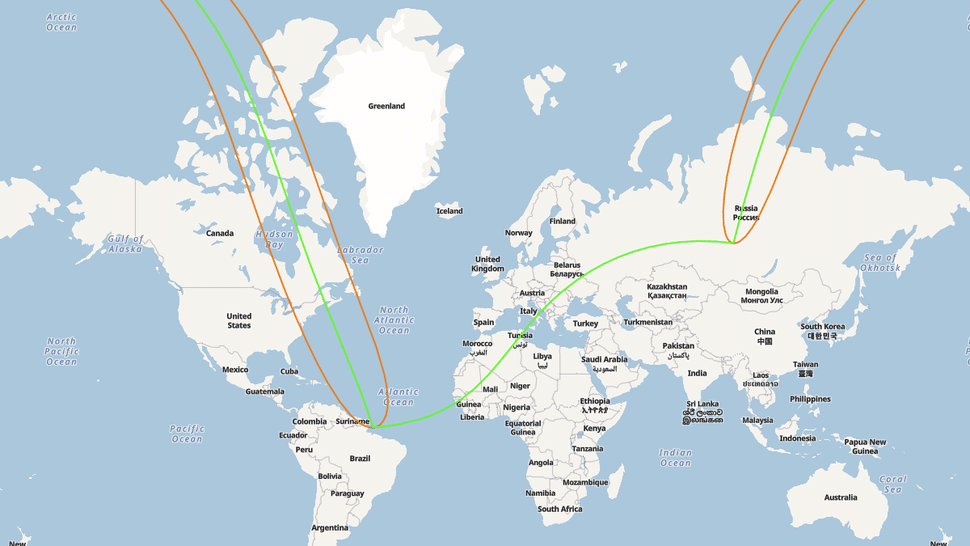
This partial solar eclipse is scheduled for Saturday, March 29, 2025, with visibility spanning significant portions of the Northern Hemisphere, including parts of North America, Europe, and Northwest Africa. The table below highlights key locations, the eclipse’s maximum obscuration percentages, and approximate local times.

The extent and timing of the eclipse will shift based on your vantage point. In places like New Brunswick, Maine, and Northern Quebec, the Sun will appear already partially covered at sunrise, producing the rare “horned sunrise” effect as the Moon veils the Sun’s edges.
Protecting Your Eyes During the Eclipse
Experiencing a solar eclipse is awe-inspiring, but safety must come first. Directly gazing at the Sun without proper protection—even during partial phases—can lead to serious eye injuries. Follow these key guidelines to view the event safely:
- Wear solar viewing glasses approved to meet ISO 12312-2 standards. Ordinary sunglasses won’t provide sufficient protection.
- Employ indirect methods such as pinhole projectors to observe the eclipse safely.
- Never look at the Sun through telescopes, binoculars, or cameras unless they are fitted with proper solar filters.
By adhering to these precautions, you can enjoy the eclipse safely and fully appreciate the spectacle.
Understanding Partial Solar Eclipses
A solar eclipse happens when the Moon crosses between the Earth and the Sun, casting its shadow across our planet. In a partial eclipse, the alignment isn’t precise enough to cover the entire Sun, resulting in only a segment of the solar disk being obscured.
On March 29, the lunar shadow will sweep over a broad section of the Northern Hemisphere, creating various levels of sunlight coverage. Regions closer to the poles, like northern Quebec, will see a deep eclipse with nearly 94% obscuration, while areas such as Western Europe and North Africa will witness a smaller portion of the Sun covered.
This eclipse belongs to a larger saros cycle, a series of eclipses recurring roughly every 18 years, governed by the Earth-Moon-Sun orbital dynamics that gradually shift over time.
Visibility Across the Northern Hemisphere
North America
Residents of North America will enjoy especially striking views in Canada’s northern territories and New England. Northern Quebec will witness the eclipse at its peak with an impressive 94% coverage. In Maine and New Brunswick, the Sun will emerge at dawn with a crescent shape, featuring the distinctive two “horns” phenomenon.
Europe
Viewers in Western Europe will observe a smaller-scale eclipse. Iceland has the best vantage, with up to 70% of the Sun obscured. The British Isles will see about 30–40% coverage, while metropolitan areas like Paris and Berlin will experience 15–25% obscuration.
Northwest Africa
Though less pronounced, the eclipse will still be visible across Northwest Africa. In places such as Morocco and Western Sahara, observers can expect around 15–18% of the Sun to be covered, presenting a notable sight for local enthusiasts.
Significance of This Eclipse
While this won’t be a total solar eclipse, the event offers valuable scientific and viewing opportunities. Partial eclipses enable astronomers to study the Sun’s corona, its faint outer atmosphere typically hidden by the Sun’s brightness. The rare “horned sunrise” phenomenon also provides a spectacular visual experience that delights photographers and onlookers.
This is a perfect occasion for people within the path of visibility to engage with the cosmic ballet that governs our solar system. Watching the Moon traverse the Sun's face is a vivid reminder of the delicate celestial mechanics that shape our environment.
Upcoming Solar Eclipse Events
If this partial eclipse sparks your interest, several upcoming solar eclipses are set to dazzle viewers:
- October 14, 2023: An annular solar eclipse, often called the “ring of fire,” will be observable across parts of the Americas.
- April 8, 2024: A total solar eclipse will streak across the United States, offering a rare opportunity to witness complete darkness in daylight.
- August 12, 2026: A total solar eclipse visible from the Arctic, Greenland, Iceland, and portions of Spain.
Whether total, annular, or partial, solar eclipses continue to remind us of the universe’s magnificent and predictable rhythms.
- Categories:
- News




0 comments
Sign in to Comment