
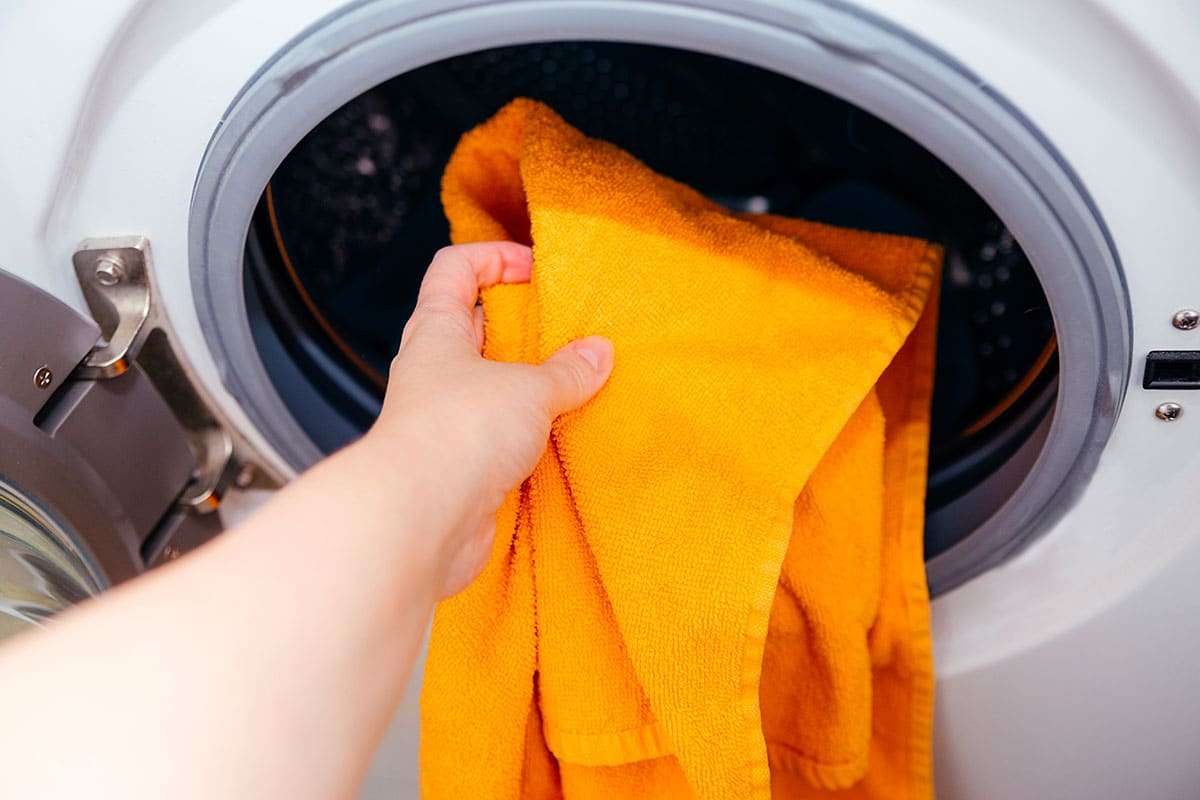
Towels may seem harmless, but they actually serve as a hotspot for various microbes. Each time you use a towel, it collects more than just moisture; it also gathers:
- Dead skin flakes
- Natural body oils
- Leftover personal care residues
This mixture forms a perfect environment for bacteria, fungi, and other microorganisms to thrive. The warm, humid conditions commonly found in bathrooms, especially when poorly ventilated, only make the problem worse.
Philip Tierno, a microbiology professor at New York University, points out that towels can start accumulating bacteria after just two or three uses. If not cleaned regularly, they might spread skin ailments such as staph infections and irritations.

People with conditions like acne or allergies need to pay extra attention to their towel hygiene. Inhalers, lifesavers for many, can also transfer more bacteria to the face, making fresh towels even more critical.
Recommended Washing Intervals According to Specialists
Contrary to the common practice of washing towels every week or two, hygiene professionals suggest cleaning them more often to prevent microbial buildup and maintain cleanliness.
The prevailing advice is to wash towels after no more than three or four uses. If you shower daily once or twice, this usually means laundering your towels every two to three days. However, these guidelines can vary depending on individual factors:
Towel CategorySuggested Washing CycleBath towelsAfter 3-4 usesHand towelsEvery 1-2 daysGym towelsImmediately after useFace towelsDaily
Keep in mind these are general rules; climate, ventilation, and personal health can require more frequent laundering.
Tips for Optimal Towel Care
Maintaining towel hygiene goes beyond just how often you wash them. Follow these expert tips to keep your towels clean and functional:
- Dry thoroughly between uses: Place towels in a well-ventilated spot, ideally outside the humid bathroom environment. Quick drying is key to slowing bacterial growth.
- Use hot water for washing: Launder towels at around 60°C (140°F) to effectively kill germs.
- Replace towels regularly: Update your towels about every two years or sooner if fibers deteriorate, since worn towels absorb less and trap more bacteria.
- Do not share towels: Assign each family member their own towel to avoid cross-contamination.
- Limit fabric softener usage: While softeners add softness, they can reduce absorbency. Use sparingly or try white vinegar as a natural substitute.
Incorporating these habits will improve towel hygiene and durability, providing safer and more pleasant use.
Rethinking How Towel Hygiene Impacts Wellness
Many assume towels don’t require frequent washing since they touch clean skin, but this neglects ongoing skin cell shedding and oil transfer onto towels.
Additionally, moist bathroom environments foster rapid bacterial proliferation. Research in the Journal of Clinical Microbiology revealed that bacteria on damp towels can multiply within just 20 minutes.
Adopting a routine of washing towels more often and properly caring for them helps minimize exposure to harmful microbes. This leads to improved personal hygiene and supports overall health.
Remember, keeping towels fresh is not merely a luxury — it’s a vital part of maintaining a healthy lifestyle. Taking thoughtful care of your towels means investing in your well-being and creating a cleaner home atmosphere for everyone.
- Categories:
- Health

















0 comments
Sign in to Comment