
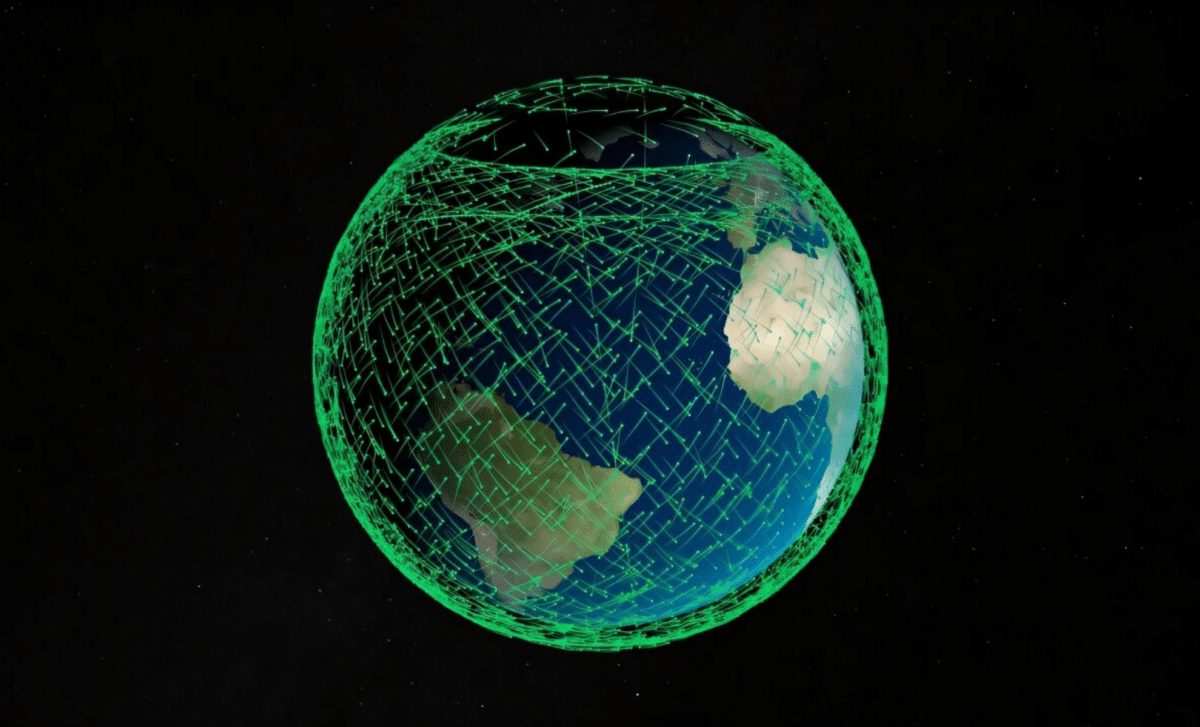
The expansion of vast satellite networks like SpaceX’s Starlink has transformed worldwide connectivity. Yet, a recent preprint on arXiv reveals these expansive constellations might be more vulnerable than once believed, especially when confronted with intense solar activity. Scientists warn that this fragile infrastructure could face severe disruptions, risking the stability of satellites orbiting Earth.
Revealing the Delicate Balance of Satellite Mega-Networks
An insightful study available on arXiv, led by Sarah Thiele and colleagues, explores how exposed current satellite constellations are. They liken these low-Earth orbit (LEO) mega-networks to a “house of cards,” emphasizing their vulnerability amid crowded orbits. These satellites, intended to provide seamless global internet, confront far higher collision risks than commonly recognized. The paper notes that satellites within systems like SpaceX’s Starlink experience near misses as often as every 22 seconds across the entire fleet, with Starlink satellites alone facing these close passes about every 11 minutes.
This unexpectedly high frequency of near encounters underscores how precarious these networks truly are. For satellite operators, the pressure is immense. To prevent crashes, each satellite must execute numerous collision avoidance maneuvers yearly—Starlink satellites average around 41 such maneuvers annually. While these adjustments reflect advanced operational controls, they also reveal an ongoing dependence on meticulous, real-time intervention to maintain orbital safety.

Solar Storms: Hidden Threats to Satellite Stability
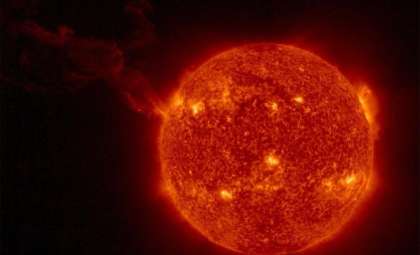
Among the most unpredictable hazards to these networks are solar storms. The research highlights how such storms can disrupt satellites’ navigation and communication capabilities, making it impossible for them to perform maneuvers that dodge collisions. This loss of control during severe space weather events could provoke disastrous chain reactions.
The Gannon Storm in May 2024 served as a tangible example, forcing more than half of LEO satellites to burn extra fuel and maneuver to offset atmospheric drag caused by increased heating. These additional corrections deplete fuel reserves and introduce uncertainties in satellite positioning, accelerating wear and jeopardizing collision avoidance. Even more alarming is the prospect that intense solar storms might render satellites completely unresponsive, unable to avert collisions and causing cascading failures throughout the network.
Introducing the CRASH Clock: Measuring Imminent Risk
To better assess vulnerabilities, Thiele’s team developed the Collision Realization and Significant Harm (CRASH) Clock, a predictive framework estimating how swiftly a major orbital disaster could unfold without operator commands. Their analysis indicates that by June 2025, a fatal collision could transpire within a brief period of just 2.8 days if control systems falter. This is a dramatic decrease from the 121-day timeframe estimated before massive constellations proliferated in 2018.
The CRASH Clock warns of rapid escalation: losing control for merely 24 hours raises the odds of a devastating impact to 30%, triggering Kessler syndrome—a self-amplifying cascade of space debris that could render Earth’s orbit unsafe for future missions for generations.
Learning from History: The Carrington Event’s Wake-Up Call
An especially sobering aspect of the findings is the reminder that space weather catastrophes capable of disabling satellites are not hypothetical. The Carrington Event of 1859, the most intense solar storm recorded, stands as a historical alert. If a comparable event struck today, experts warn it could utterly overwhelm satellite networks, interrupting global communications and halting space access for years.
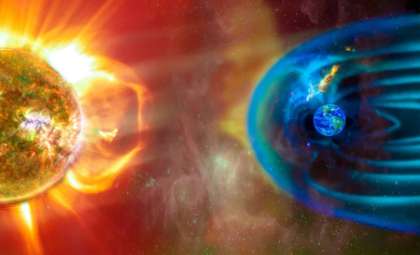
Unlike less severe solar storms causing localized effects, the Carrington Event involved an enormous coronal mass ejection (CME) impacting Earth globally. With today’s dependence on dense satellite arrays, a similar storm could disable these systems for over three days, sparking widespread network failures and crippling technological infrastructure vital for global connectivity and space exploration for an extended period.
- Categories:
- Space





0 comments
Sign in to Comment