
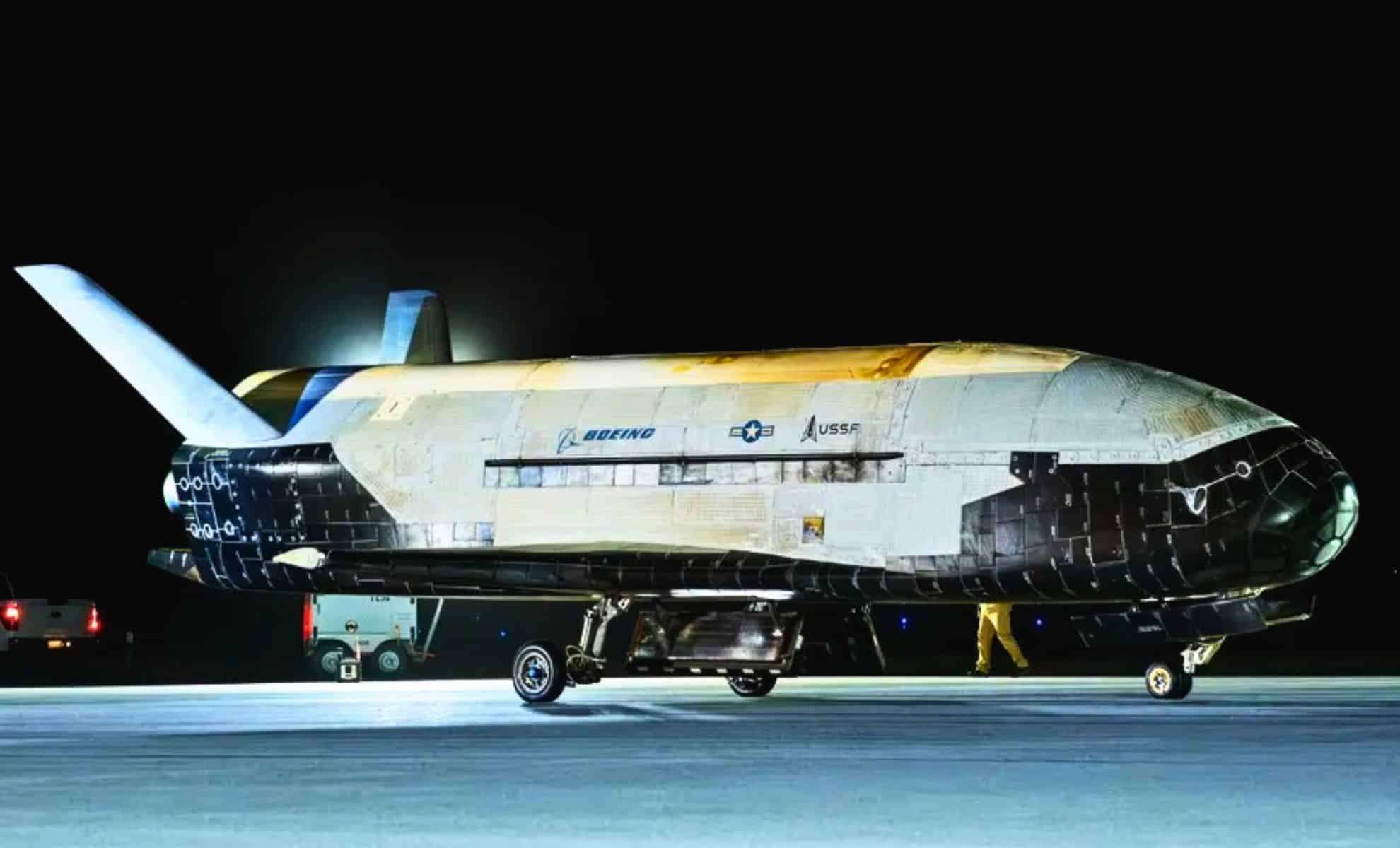
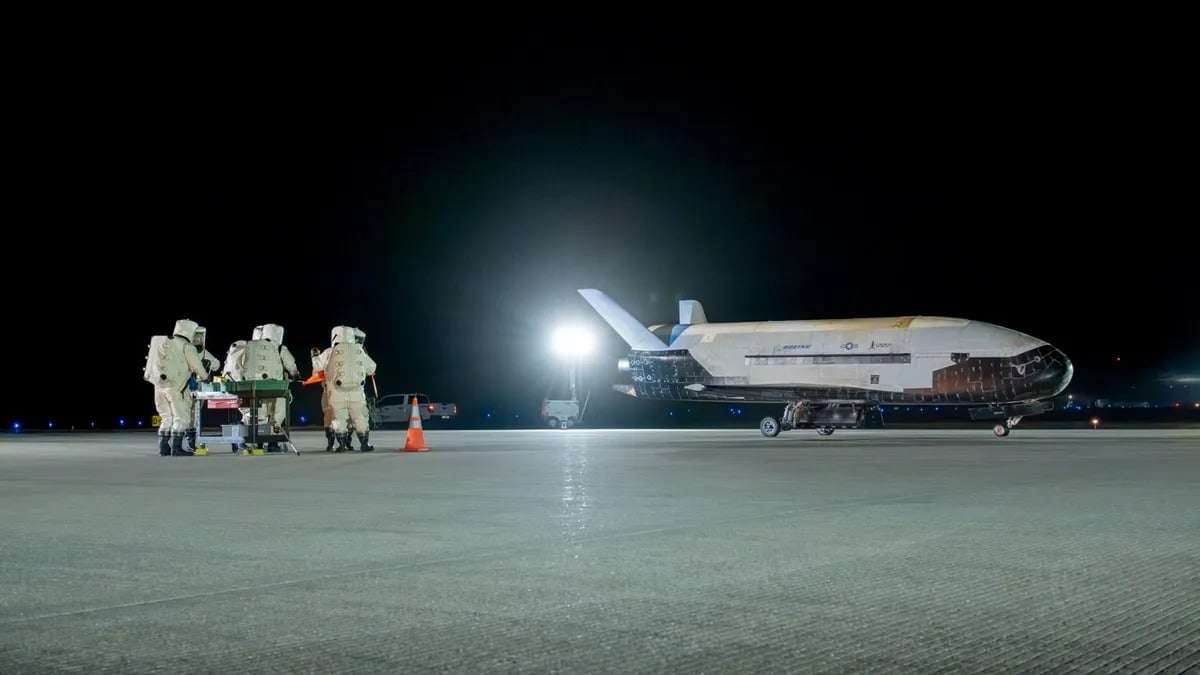
Before dawn, the X-37B spaceplane operated by the U.S. military quietly touched down at California’s Vandenberg Space Force Base, concluding a 434-day orbital mission shrouded in secrecy. The unmanned vehicle returned without public announcement, echoing the covert nature of its launch months earlier. Officials confirmed the landing later, though precise mission details remain closely guarded.
Sent into orbit in December 2023 atop a SpaceX Falcon Heavy rocket from NASA’s Kennedy Space Center, this spacecraft carried secret experiments into space. Run by the U.S. Space Force, it ranks among the most sophisticated reusable spacecraft to date. Its protracted time in orbit and limited public information continue to spark curiosity about its objectives.
A Classified Endeavor
Unlike typical space missions, the X-37B's departures and returns occur without live media attention or detailed operational reports, according to Space. Although its launch was visible from Florida, no ongoing updates were shared on its activities while orbiting Earth.

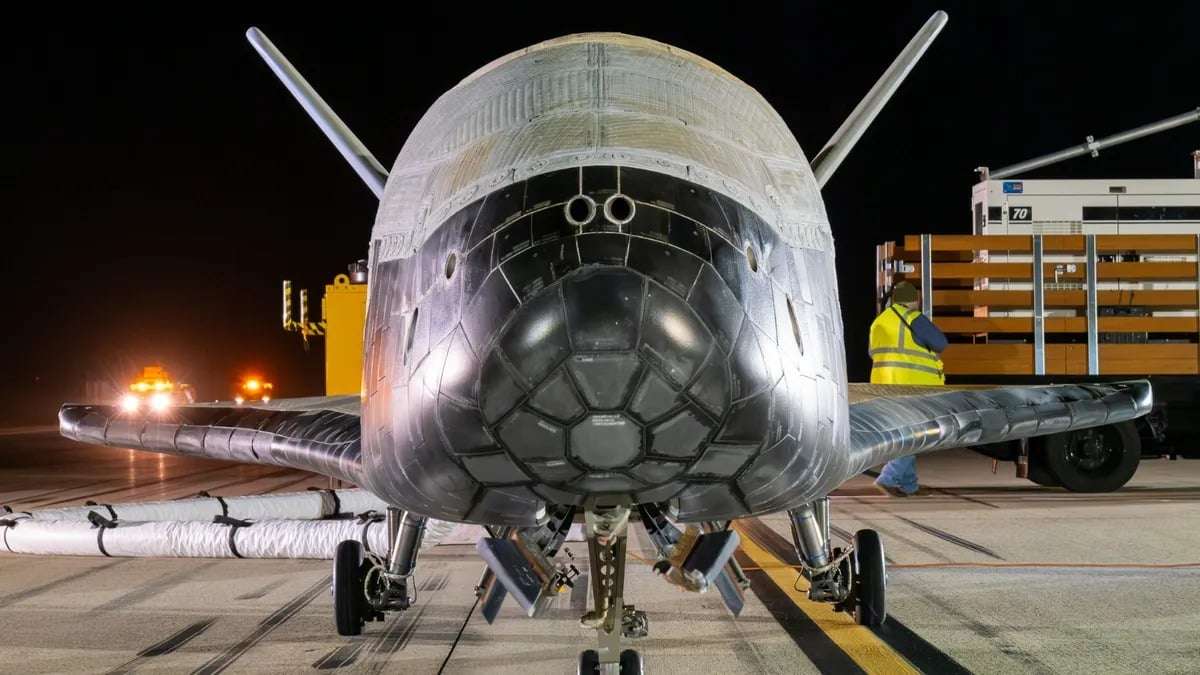
Measuring 29 feet in length and crafted by Boeing, the vehicle operated autonomously, performing its mission without crew and testing classified technologies alongside undisclosed payloads. It resembles a compact version of NASA’s retired space shuttle but maintains fully automated flight control.
Upon landing, government officials initially withheld any statements, only later confirming the U.S. Space Force’s recovery of the vehicle. Grainy photos emerged showing the plane resting on the runway after its prolonged orbital mission.
Advancements in Orbital Navigation
While many mission aspects stay secret, a significant technological breakthrough was highlighted:
“The ability to change orbits using atmospheric drag rather than burning large amounts of fuel.”
This innovation could permit spacecraft to extend mission durations and adjust trajectories quietly, minimizing fuel consumption. The military has not disclosed how this technique was validated or what other improvements were developed during the mission.
Lt. Colonel Blaine Stewart, the program’s director, described the milestone as “an exciting new chapter,” pointing to ongoing progress in sustained autonomous space operations.
Record-Breaking Duration for Uncrewed Spaceplane Missions
Since its inception in 2010, the X-37B program has seen flights progressively extend in length. The recent 434-day journey adds to this trend, though the record duration for the reusable craft remains at 908 days, as noted in the longest orbital stay on record.
Its wingspan of approximately 15 feet is much smaller than that of traditional space shuttles, but the vehicle’s ability to endure multiple reentries and be reused makes it a critical element of national defense initiatives.
Primarily designed for highly classified operations, the X-37B is believed to support a range of activities spanning scientific investigations to testing novel technologies and defense-related payloads. Due to limited disclosures, the exact mission goals often remain speculative.
Possible Onboard Experiments and Strategic Impact
A rare image captured from the craft reveals Earth as seen from high orbit, though details are scant. Experts speculate the mission might have involved:
- Testing advanced surveillance systems capable of monitoring terrestrial targets from orbit.
- Evaluating satellite deployment and servicing innovations.
- Experimenting with secure, military-grade communication technologies.
Some analysts suggest the program could be exploring early initiatives related to space-based reconnaissance or developing preliminary orbital defense mechanisms.
The cloak of secrecy surrounding the X-37B fuels discussion on its implications for global defense strategies, as nations compete for supremacy in low Earth orbit and beyond.
Outlook for Future X-37B Deployments
Each successive mission pushes the boundaries of duration, indicating a focus on enhancing persistent autonomous operation in orbit.
As advances in aerospace technology continue rapidly, findings from these flights may influence upcoming military and scientific space ventures. While much remains undisclosed, this latest mission’s outcomes will help shape future endeavors.
Although grounded now, the X-37B is expected to launch again, once more prompting global intrigue about its elusive activities beyond our atmosphere.









0 comments
Sign in to Comment