

For many years, a single temperature recommendation shaped how countless homes set their heating systems. This figure appeared widely in government advice, energy conservation campaigns, and popular guidance, largely unquestioned until recently. Now, researchers and health professionals argue that this fixed number doesn’t align well with current home insulation standards or indoor well-being.
Instead of a fixed temperature, experts are advocating for an adaptable range that varies by the household’s specific rooms, times, and occupant needs. Both the World Health Organization and the UK’s Energy Saving Trust support guidelines within a similar temperature window.
This debate extends beyond comfort; adhering strictly to outdated thermostat settings can contribute to respiratory illnesses, cardiovascular stress, and increased dampness leading to mold and structural degradation.

How a Fuel Shortage Shaped an Old Guideline
The original standard emerged during the 1970s energy crisis when fuel scarcity prompted governments to enforce strict heating conservation. This recommendation was politically motivated rather than grounded in advances in construction or health science. Back then, homes often suffered from poor insulation and imprecise heating controls.
Decades later, housing quality has transformed. The Energy Saving Trust now encourages households to determine their “lowest comfortable temperature,” typically between 18°C and 21°C. They estimate that lowering the thermostat from 22°C to 21°C can save approximately £90 annually in Great Britain. Minor tweaks accumulate significant savings but challenge the simplicity of the old advice.
Health Implications of Chilly Rooms
The World Health Organization has maintained that indoor air temperatures should not drop below 18°C. Such cold can be especially harmful for seniors, infants, and those with pre-existing health conditions. This minimum is endorsed by national health organizations and housing bodies alike.
Homebuilding.co.uk highlighted in late 2024 that homes need a minimum of 18°C to prevent issues like dampness, mold, and condensation. When warm, humid air meets a cold surface, moisture forms, creating conditions for mold hidden under furnishings or within walls, which can eventually lead to rot or respiratory problems.
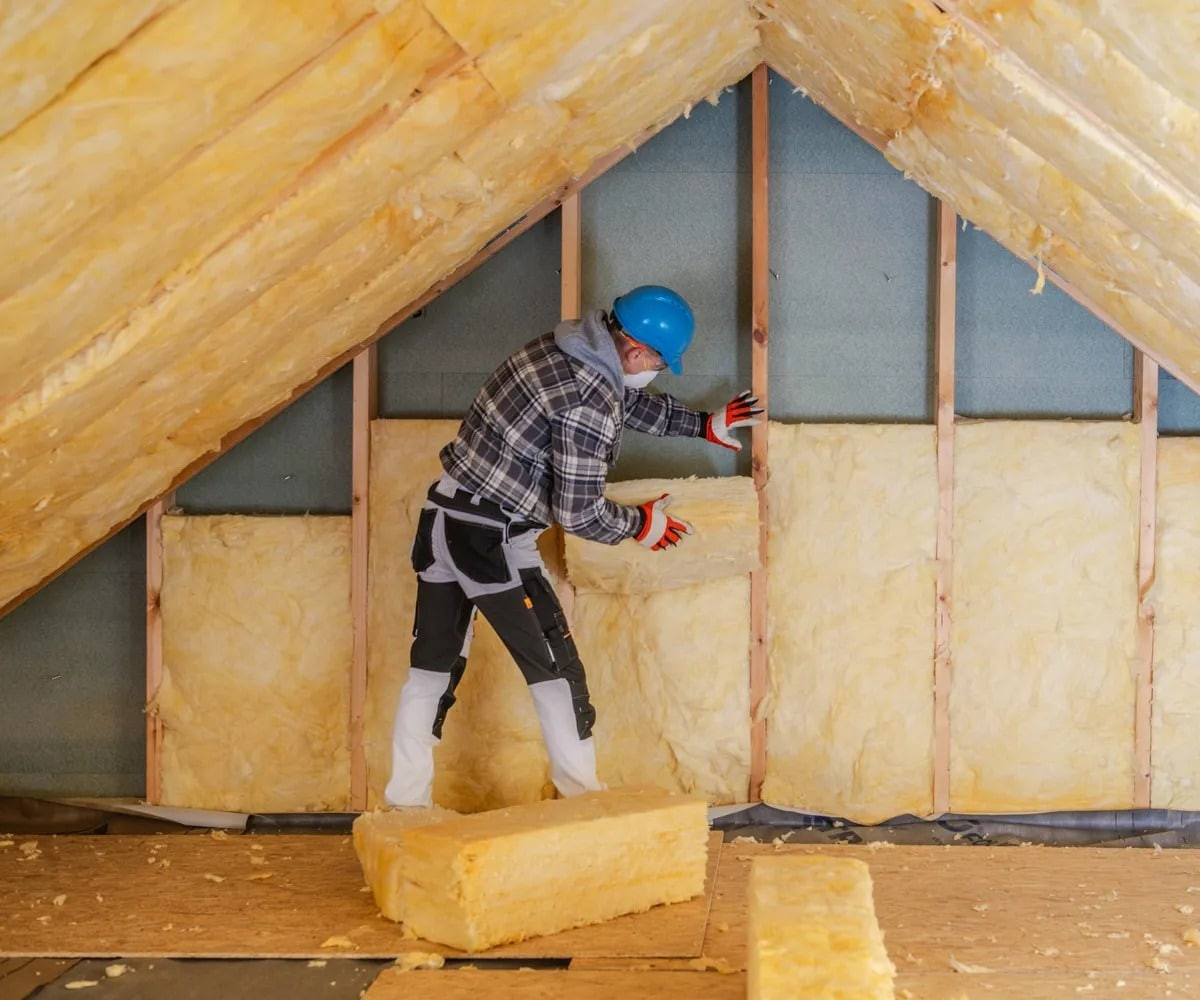
The Welsh Government recommends specific room standards, cited by Homebuilding, suggesting 21°C in living areas during the day and 18°C elsewhere, maintained for about nine hours on weekdays and 16 hours on weekends. Consistent temperatures disrupt the dampness cycle that fosters mold growth.
Energy Efficiency Demands More Than Just Lowering the Thermostat
Recent data from contemporary heating setups challenges the view that simply reducing the thermostat is the most efficient way to cut energy. When indoor temperatures fall too low, heating systems have to expend extra effort to restore warmth, leading to inefficient bursts of energy instead of steady, economical heating.
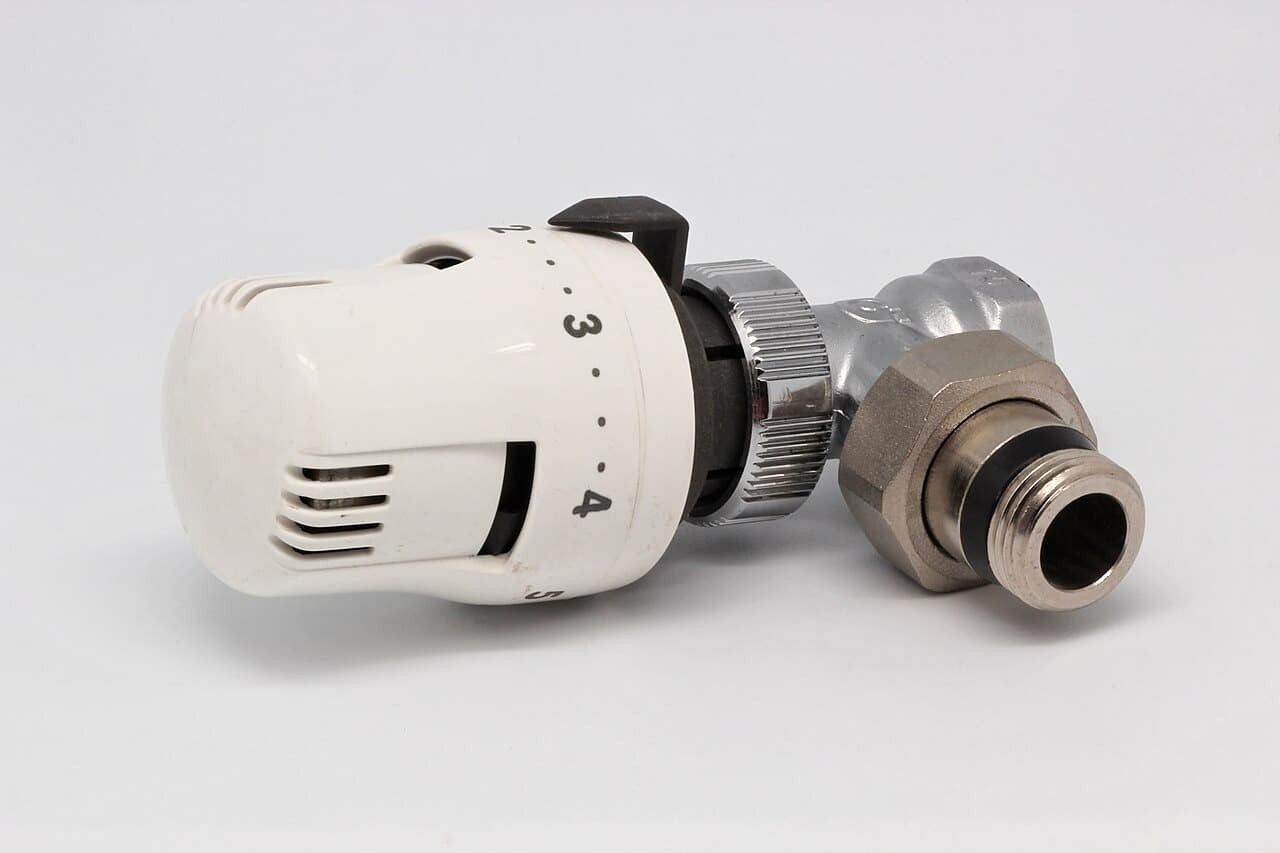
This insight has increased the importance of thermostatic radiator valves (TRVs), which adjust heat output individually for each radiator based on room temperature. They allow less-used rooms to remain cooler while keeping living areas comfortable, preventing cold zones prone to condensation. According to the Energy Saving Trust, adding TRVs can save an additional £35 to £40 per year beyond what a basic thermostat and programmer offer.
There is growing consensus that maintaining a steady temperature, especially in older or less ventilated homes, is more energy-efficient than allowing temperatures to fluctuate widely. The previous belief that lowering the heat setting automatically saves energy is increasingly being reconsidered.
How Smart Technology Is Redefining Heating Practices
Smart thermostats and room-specific heating controls provide homeowners with options the old guidelines never envisioned. Devices such as the Tado° smart thermostat combined with TRVs enable distinct temperature settings for hallways, bedrooms, and lounges, ensuring heat is delivered only when and where necessary.
Joanna O’Loan from the Energy Saving Trust explains that TRVs let users “regulate hot water flow through radiators, so you’re heating solely the rooms in use.” Cooler zones like hallways and infrequently occupied spaces pose no issue as long as main living areas stay warm enough to prevent condensation-prone cold surfaces.
Many new TRVs link to smartphone apps, dynamically adjusting based on occupancy and schedules. This flexibility makes an outdated single temperature setting for the whole house obsolete.
Additional Actions Beyond Temperature Control
Temperature isn’t the only factor in maintaining a healthy living environment. Ventilation bursts—briefly opening windows or doors for five to ten minutes daily—allow fresh air exchange without significantly cooling the home’s structure. Kitchen and bathroom extractor fans remove moisture at its source. Affordable hygrometers help monitor indoor humidity to stay under 60%, minimizing mold risks.
Sealing draughts is also vital. Chloe Barrow, an interior design expert from Laura James, told Homebuilding that unnoticed gaps around floors are common culprits. “Even small draughts can counteract heating, causing your house to feel colder than it should during winter.” Sealing floorboard gaps and door frames is an inexpensive step that supports a stable indoor climate.
With better insulation and smarter heating controls, many homes are shifting toward warmer, more consistent indoor temperatures. The outdated one-size-fits-all temperature rule is quietly being replaced by solutions that balance comfort, health, and energy savings seamlessly.
- Categories:
- News













0 comments
Sign in to Comment