
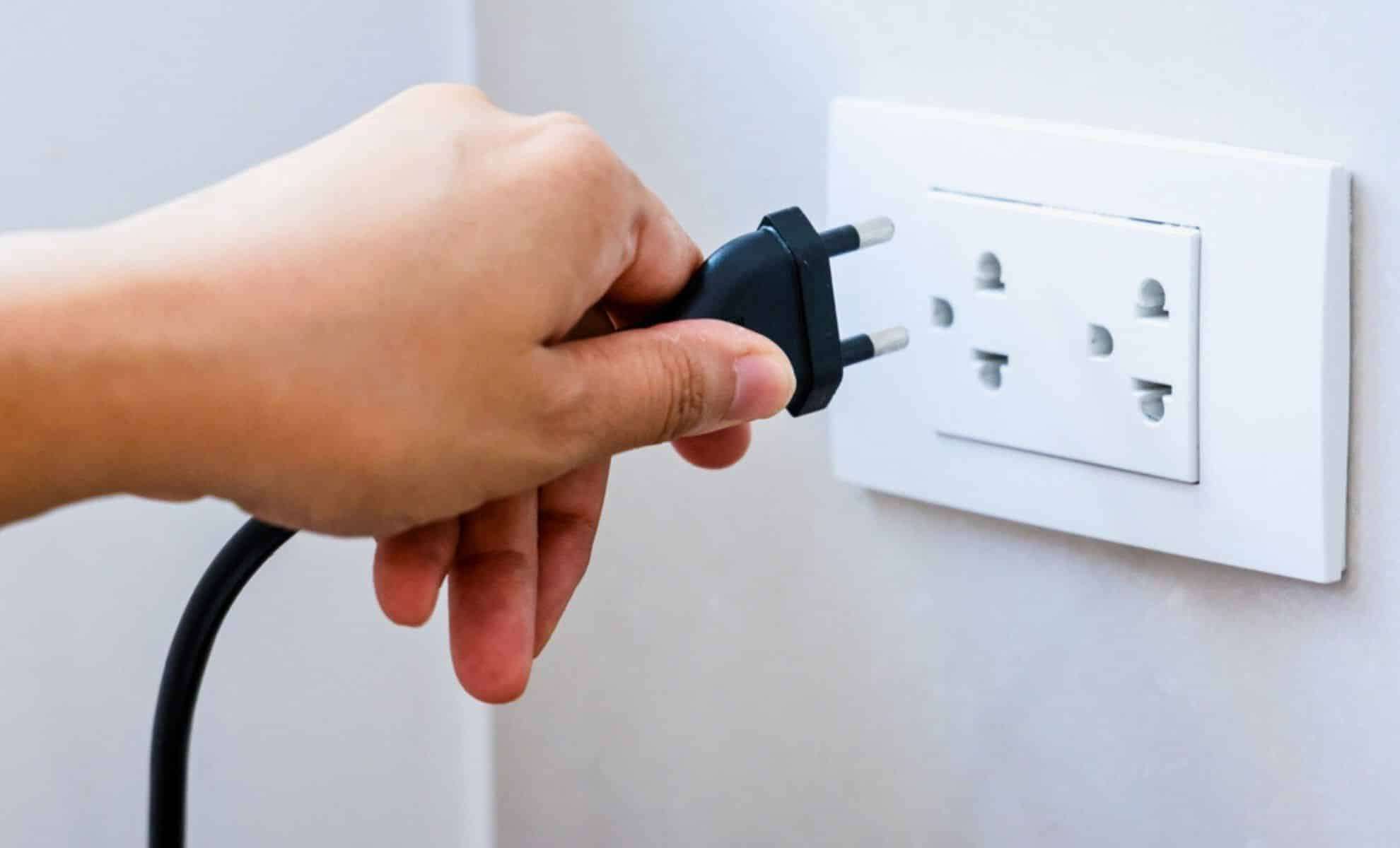
Many households worldwide quietly power a device that consumes far more electricity than widely recognized. Data from the University of North Texas digital library reveal that the clothes dryer, often seen as a simple convenience, can draw energy comparable to operating 65 refrigerators simultaneously. This surprising discovery has caught the attention of energy experts and consumer groups alike.
The Hidden Major Consumer of Household Power
Refrigerators often get blamed for high energy use because they run continuously to keep foods cold. Yet dryers, although used intermittently, demand far more wattage during their operation. These short but intense bursts accumulate to a significant portion of annual residential electricity consumption.
According to figures from the U.S. Department of Energy, clothes dryers can represent up to 6% of total household electricity use, varying by model and usage frequency. In nations where air-drying clothes isn’t common practice, this effect becomes even more pronounced. As one energy efficiency specialist stated: “Dryers are the silent powerhouse of the laundry room. They often go unnoticed but can double a household’s peak grid demand.”

Why This Energy Comparison Matters
The UNT report, synthesizing comprehensive household energy statistics, points out that although a refrigerator usually consumes between 100 and 800 kilowatt-hours (kWh) per year, a standard clothes dryer can surpass 1,000 kWh annually. When multiplied across millions of households, this creates a substantial strain on national electrical grids.
Unlike the steady, predictable power draw from refrigerators, dryers cause sudden demand spikes when operating. Grid managers refer to these as “load cliffs” — abrupt surges that compel utilities to quickly increase power supply, often relying on less efficient backup power sources. This cycle results in increased carbon emissions and elevated electricity prices during peak periods.
Power Drain Hidden in Standby Mode
While dryers are the big energy users during operation, household electronics in standby mode quietly consume electricity as well. The UNT database highlights how common devices continue to draw power even when not actively in use.
Some figures stand out: a telephone system used a continuous 24.5 watts, and set-top boxes consumed up to 23 watts even when idle. Collectively, these so-called “vampire loads” can add up to the energy usage of a small refrigerator over a year.
The Economic and Ecological Toll
For consumers, this often-invisible energy consumption translates into higher utility bills. A typical household using a standard dryer four to five times weekly may spend over $150 each year just drying laundry. Extrapolated globally, this represents a massive financial burden.
On the environmental front, regions reliant on fossil fuel electricity experience increased carbon dioxide emissions with every drying cycle. The International Energy Agency continues to identify household appliances as underrated sources of residential emissions, with clothes dryers among the top offenders.
Steps Households Can Take to Save Energy
What can be done at the household level? Experts recommend three practical measures: First, whenever feasible, opt for line-drying clothes outdoors or indoors. Second, switch to energy-efficient heat pump dryers that reduce electricity consumption by up to 60% versus conventional models. Third, adjust laundry habits by running consecutive drying loads to use the remaining heat and reduce energy use.
Though laundry routines might not be the most exciting topic, the data clearly indicate an important reality: transitioning to sustainable energy use isn’t only about large-scale solutions like solar farms or wind power. Change often begins in the smallest parts of our daily lives—right in our own laundry rooms.
- Categories:
- News













0 comments
Sign in to Comment