

The Federal Aviation Administration (FAA) has given SpaceX the green light to proceed with Falcon 9 launches after a comprehensive inquiry into an upper stage malfunction experienced on July 11.
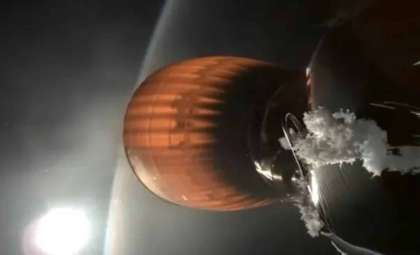
The problem stemmed from a liquid oxygen leak within the insulation surrounding the upper stage engine, causing the rocket’s second burn to fail and resulting in a partial payload deployment.
The FAA’s approval follows extensive evaluations and corrective measures carried out by SpaceX to enhance the safety and dependability of upcoming flights. This authorization is essential for sustaining SpaceX’s robust launch timetable, which includes both commercial projects and government missions.

Investigating the Malfunction and Prioritizing Launch Safety
The root cause was identified as a liquid oxygen leak caused by a crack in a pressure sensor line. This was exacerbated by engine vibrations and a loose clamp, resulting in overcooling of the engine components and a hard start at the second ignition attempt.
The malfunction caused damage to the engine’s hardware and a loss of orientation control, preventing the mission’s completion. SpaceX acted by "replacing the faulty sensor and performing inspections on similar components across the Falcon 9 fleet to avoid future incidents." This involved a meticulous review of the affected systems and the proactive upgrade of vulnerable parts.
The FAA’s investigation determined that the event posed no safety threat to the public, and confirmed that SpaceX’s corrective steps were sufficient to prevent a repeat occurrence. This thorough process highlights the significance of stringent safety practices and continuous system surveillance to guarantee mission integrity.
Resuming Falcon 9 Flights and Industry Repercussions
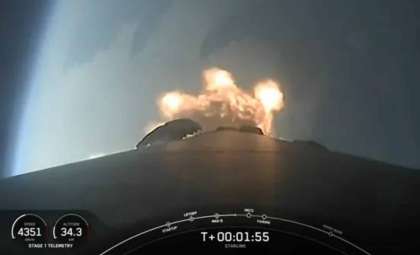
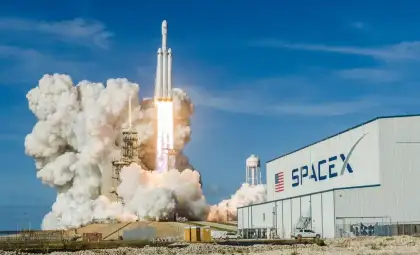
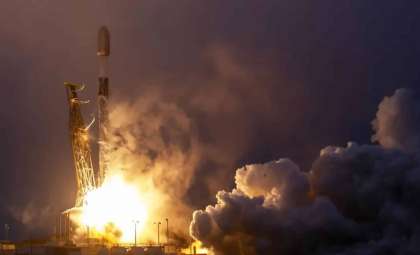
Following FAA authorization, SpaceX is set to recommence launch operations with a Starlink deployment scheduled for July 27 at 12:21 a.m. Eastern from the Kennedy Space Center, Florida.
Thanks to the pace we’ve been able to launch, we’re able to gather unprecedented levels of flight data and are poised to rapidly return to flight as soon as Saturday, July 27 → https://t.co/DvO0z1NbUm
— SpaceX (@SpaceX) July 25, 2024
This upcoming launch kicks off a series of planned missions, including two additional Starlink launches on July 28 from Cape Canaveral and Vandenberg Space Force Base. These flights are central to expanding the Starlink constellation, aimed at providing fast internet access worldwide, especially to remote and underserved regions.
The Falcon 9 halt impacted several key missions, such as NASA’s Cygnus cargo resupply to the International Space Station and the Crew-9 astronaut rotation. These delays affected not only SpaceX’s schedule but also partners relying on timely payload delivery.
SpaceX emphasized, “Our team continues to work diligently to ensure all upcoming launches meet stringent safety and reliability standards,” reflecting their commitment to operational excellence and resuming their cadence.
Long-Term Strategies and Preventative Measures
To address this incident, SpaceX is not only fixing the immediate fault but also exploring broader design adjustments to improve the Falcon 9’s robustness and reliability. This anomaly exposed the complex nature of rocket engineering where minor faults can have major consequences.
SpaceX pledged to “keep learning and enhancing with every mission,” incorporating extensive analysis of the anomaly and applying the insights to all systems. This includes stricter testing, validation of key components, and better monitoring to catch potential issues early.
The FAA’s involvement in evaluating and approving these enhancements highlights the vital role of regulatory supervision in preserving aerospace safety standards. This event serves as a critical reminder of the need for detailed engineering and comprehensive safety protocols to ensure dependable spaceflight.
As SpaceX prepares for upcoming missions including the influential Crew-9 flight, the firm is dedicated to integrating these improvements for continued mission success and safety.
- Categories:
- Astronomy ,
- News ,
- Space ,
- Aircraft







0 comments
Sign in to Comment