
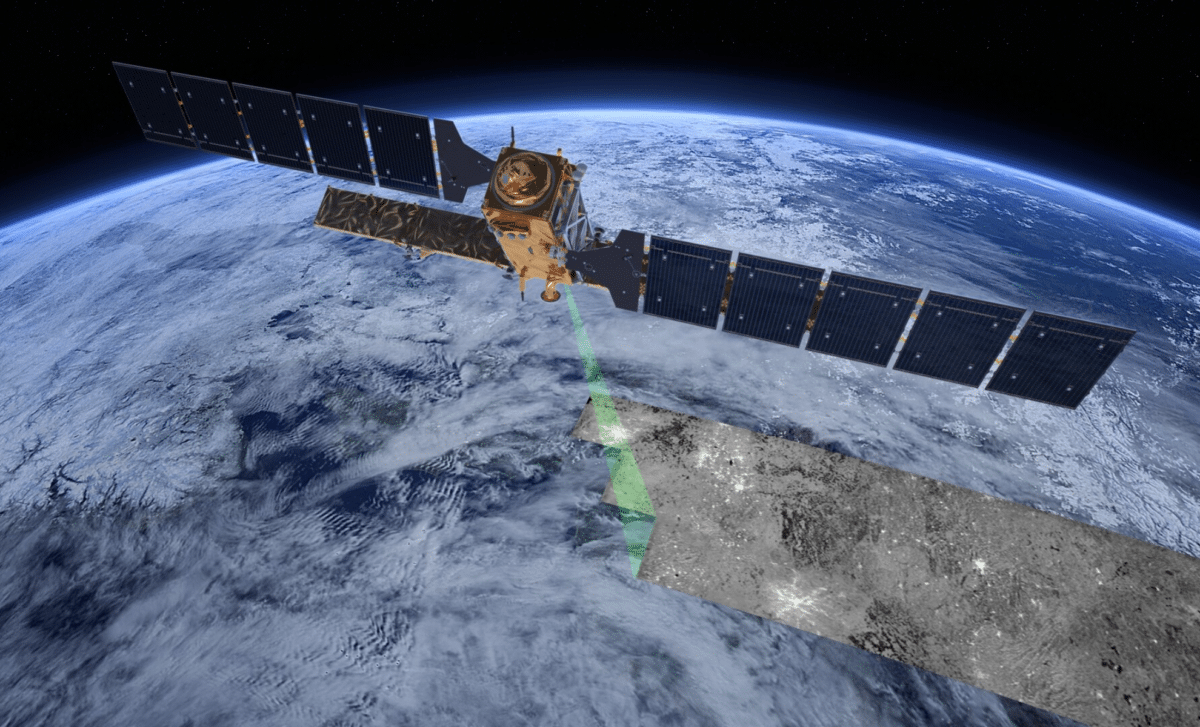
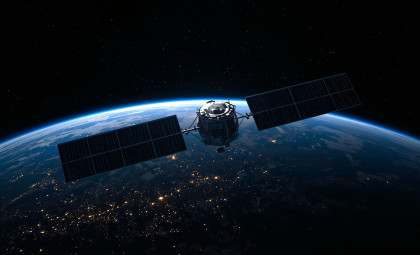
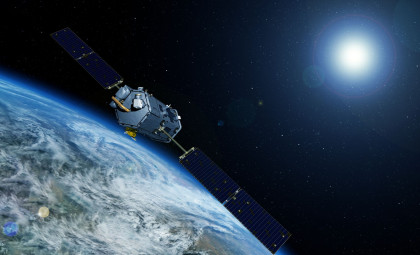
A significant milestone in European Earth observation has been reached as ESA officially announces the end of Sentinel-1A’s mission. As the inaugural satellite of the Copernicus programme, Sentinel-1A provided continuous radar imagery of our planet for over a decade, revolutionizing how we track Earth’s dynamics. This announcement marks the conclusion of the satellite’s groundbreaking service and the handover to a new era of enhanced radar satellites continuing its important work.
The Pioneer Behind Copernicus Earth Monitoring
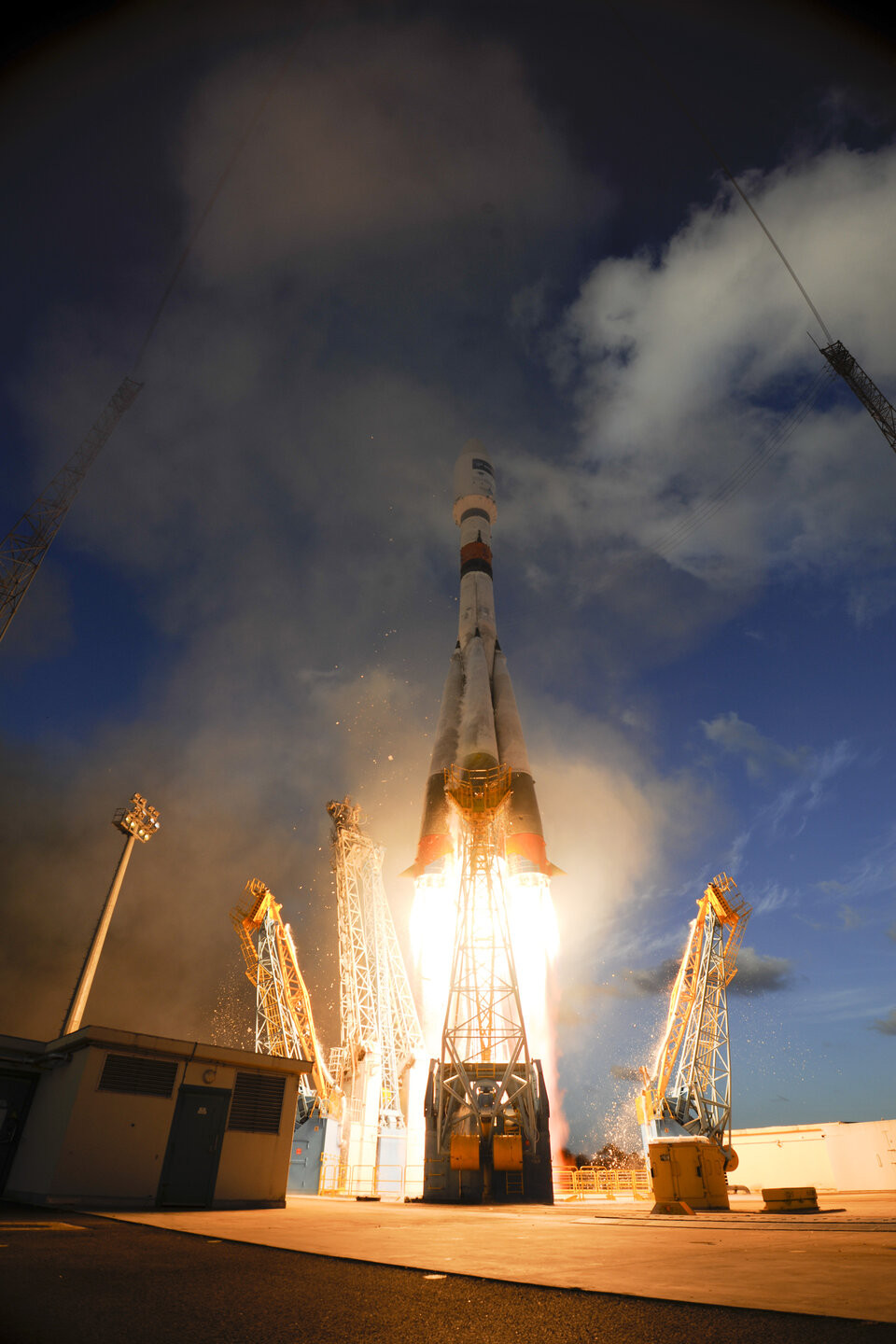
Launched in April 2014, Sentinel-1A kicked off the Copernicus Earth observation initiative by delivering open-access, high-resolution radar imagery. Although originally designed for a seven-year lifespan, it exceeded expectations by almost doubling its operational duration, consistently supplying vital data for environmental assessments, disaster management, and scientific studies worldwide.
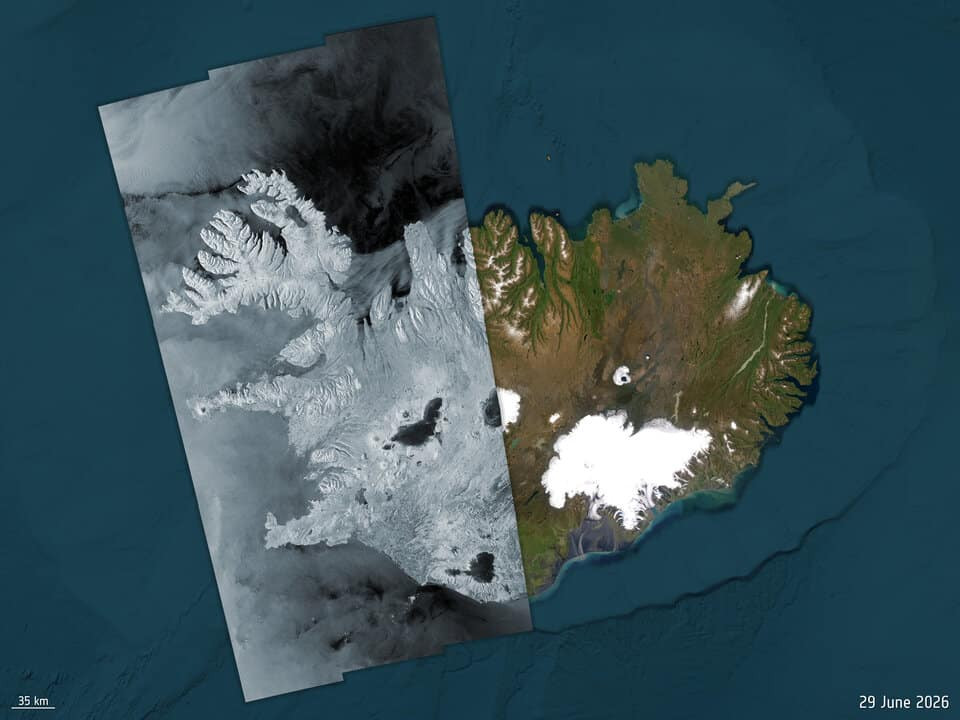
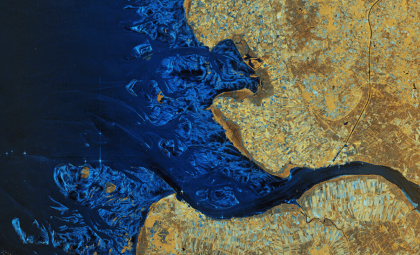
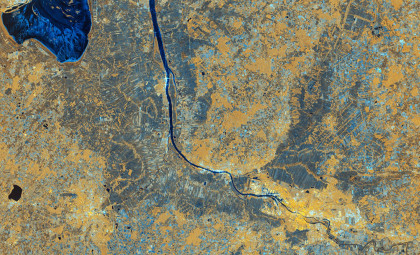
Equipped with C-band synthetic aperture radar technology, Sentinel-1A consistently captured images day and night, regardless of weather, empowering researchers and operational agencies to monitor Earth’s surface changes reliably. From examining Arctic ice conditions to mapping floods and tracking land movements, the satellite became an indispensable resource for global Earth system science.

Its role grew beyond initial goals, as demand for radar data surged in fields like climate research, maritime security, and emergency services. Sentinel-1A’s longevity demonstrated the critical importance of sustained Earth observation missions for building continuous environmental datasets vital for climate change research.
Durability and Expanded Responsibilities
The satellite’s significance deepened after Sentinel-1B was lost in 2021 due to a power failure. With Sentinel-1B out of commission, Sentinel-1A carried the extra workload, maintaining Europe’s radar Earth observation capabilities during a pivotal interval.
According to ESA mission officials,
“Sentinel-1A remains at the forefront of Earth observation and continues to play a key role in enabling the application of artificial intelligence in data and services. After years of outstanding service, Sentinel-1A has earned a well-deserved retirement.”
This era demonstrated the satellite’s resilience and highlighted the strength of the Copernicus system’s fleet-based approach rather than reliance on a single spacecraft. The availability of Sentinel-1A’s data during this period was crucial for European and international stakeholders relying on timely radar imagery for environmental and security needs.
Additionally, the mission helped pioneer advanced data processing, such as machine learning techniques that utilize extensive radar data. These innovations have become central to modern Earth observation workflows, extending Sentinel-1A’s influence well beyond its active years.
Entering a New Radar Satellite Generation
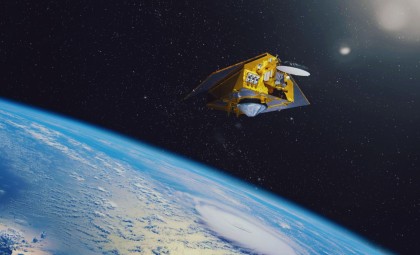
With Sentinel-1A’s retirement, ESA has shifted focus to an upgraded satellite array featuring Sentinel-1C and Sentinel-1D. These satellites orbit in a synchronized pattern, separated by 180 degrees to maximize Earth coverage and ensure steady data acquisition.
Representatives from ESA stated,
“Over the past few years, the teams have worked tirelessly to dispose of one satellite and commissioning two new ones. Today, Sentinel-1C and Sentinel-1D are performing very well and offer improved capabilities with respect Sentinel-1A. This gives us great confidence as we look to the future of the mission.”
The successor satellites boast enhanced radar instruments and new features such as better maritime surveillance via Automatic Identification System (AIS) payloads. Their dual configuration allows for more frequent passes and superior global monitoring capabilities compared to earlier missions.
Ensuring a seamless transition required detailed orbital adjustments and mission preparations. Sentinel-1C and Sentinel-1D now form the cornerstone of Europe’s radar observation framework, providing persistent, high-quality geospatial information essential for diverse users.
Sentinel-1A’s Enduring Impact
Though no longer operational, Sentinel-1A’s legacy lives on through its vast data archives, which remain invaluable for decades to come. Its long-term radar records rank among the most comprehensive ever compiled, aiding ongoing studies in climate trends, land deformation, glacier movements, and ocean dynamics.
Reflecting on the mission’s achievements, ESA’s Earth Observation Programmes Director remarked,
“Sentinel-1A was far more than a satellite, it opened the Copernicus era. For over a decade, it delivered vital data every day, helping us better understand our planet and respond to some of society’s most pressing challenges.
“As we bid farewell to this remarkable satellite, we celebrate an extraordinary legacy and look forward with confidence as Sentinel-1C and Sentinel-1D carry that legacy into the years ahead.”
In the upcoming months, Sentinel-1A will undergo a controlled deorbiting process to ensure safe disposal in line with space debris mitigation standards. While its instruments have stopped functioning, the satellite’s contributions remain crucial to global environmental monitoring relying on its historic data.
Moving forward, ESA’s focus on the next-generation Sentinel satellites solidifies Sentinel-1A’s role as a trailblazer in continuous radar Earth observation—ushering in an era where detailed and persistent planetary monitoring has become standard practice.
- Categories:
- Space



0 comments
Sign in to Comment