
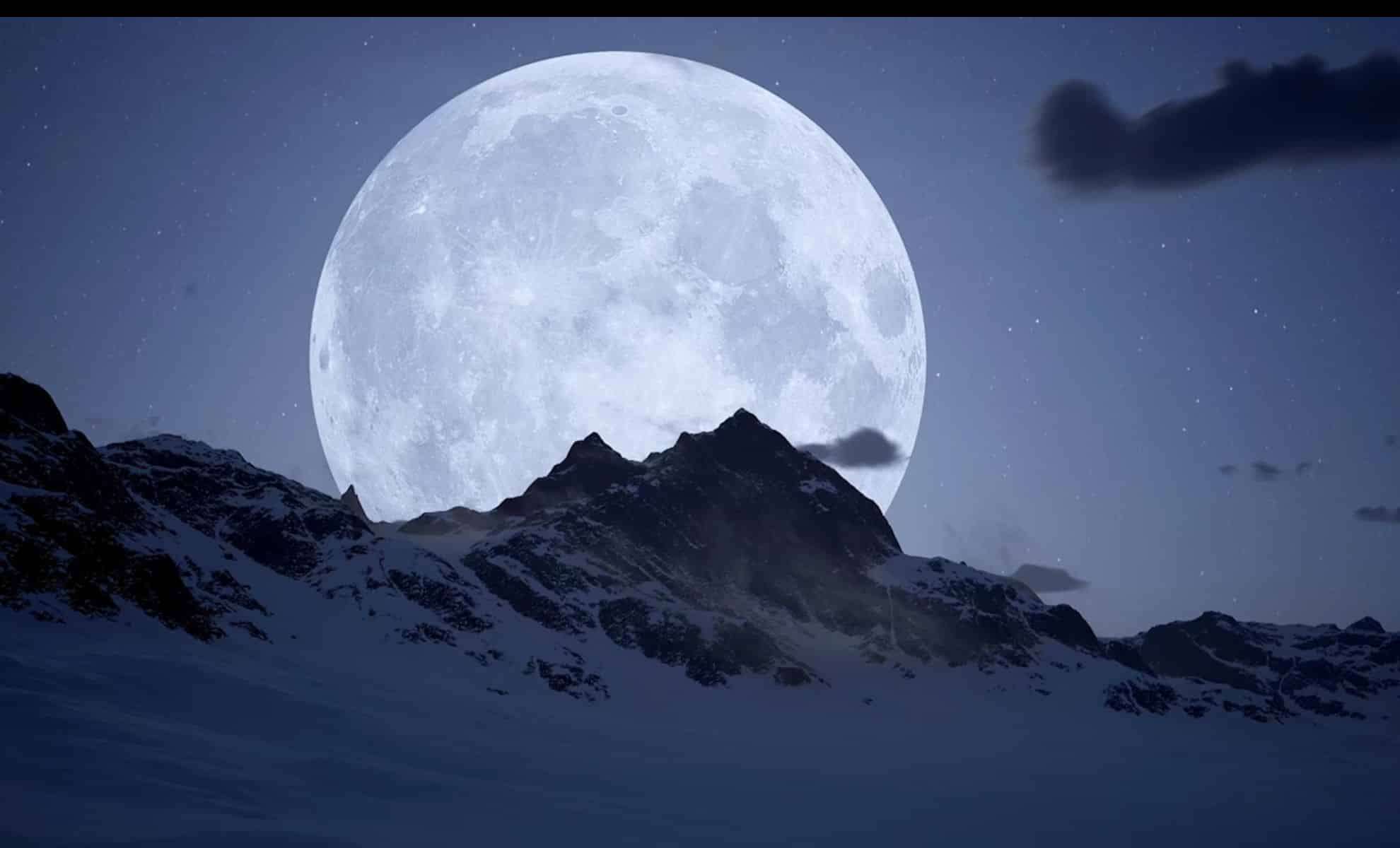
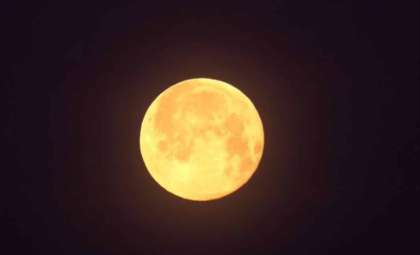
The approaching Full Snow Moon promises to brighten the night sky, delivering a dazzling lunar display amid the chill of midwinter. Renowned for its striking radiance and seasonal importance, this full moon has fascinated observers for generations, signaling a period of deep winter when snow covers much of the Northern Hemisphere. Beyond its stunning appearance, the Snow Moon holds profound cultural and historical significance.
Although monthly full moons are a regular occurrence, February’s Snow Moon is unique because of its place within the seasonal calendar. It has historically served as a symbol of winter’s peak, marking crucial periods for animal activity, harsh weather, and traditional human customs. This year, the Snow Moon will reach its maximum brightness at a precise time, making it an event eagerly anticipated by sky enthusiasts. Knowing the best times and locations to observe it will help maximize the viewing experience.
Viewing the Full Snow Moon: When and Where
Per the Old Farmer’s Almanac, the Snow Moon will peak at 8:53 a.m. EST on February 12. Nonetheless, the optimal chance to admire it will be after sundown, when the moon ascends shortly after sunset. During this time, it will present itself as a large, luminous orb in the eastern horizon, visible throughout the night as it moves across the sky.

Since the full moon occurs with Earth positioned directly opposite the Sun, it will appear fully illuminated and exceptionally bright against the winter night. Around the peak date, the moon will maintain a nearly full appearance for several days, allowing plenty of opportunities to take in its glow. For an optimal setting, seek out dark-sky locations away from artificial lighting to fully enjoy this luminous lunar event.
The Origin of the Snow Moon’s Name
The title Snow Moon stems from the typically heavy snowfall associated with February across many Northern Hemisphere regions. Early Native American and European cultures designated names for each full moon to correspond with seasonal changes and natural phenomena. The Snow Moon’s name evokes the wintry landscapes and the adaptations of wildlife and people coping with cold conditions.
In addition to Snow Moon, it is referred to by various animal-inspired names across cultures, including:
- Bald Eagle Moon – Signifying heightened bald eagle activity during this time.
- Bear Moon – Indicating bears starting to emerge from hibernation.
- Black Bear Moon – A variant highlighting the return of black bears from dens.
- Raccoon Moon – Reflecting increased raccoon activity as winter wanes.
- Groundhog Moon – Tied to Groundhog Day and seasonal forecasts.
- Goose Moon – Marking the onset of geese preparing for migration.
These traditional names reveal how ancestral communities observed the environment, using the lunar cycle as a guide for survival, climate predictions, and understanding animal patterns.
Additional Astronomical Events Around the Snow Moon
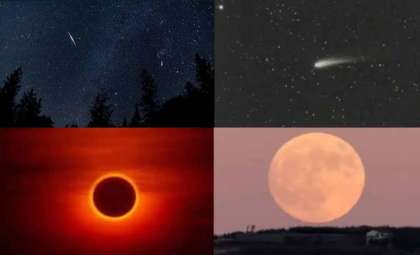
While the Snow Moon is the main spectacle, other celestial phenomena will complement the skywatching experience. On February 9, the moon will appear nearly full and situated close to Mars, making a breathtaking conjunction. The moon will be just a few finger-widths below the red-hued planet, creating a charming pairing in the night sky.
Moreover, the twin stars Pollux and Castor, part of the Gemini constellation, will shine brightly north of the moon, adding to the celestial scenery. Recognized as the heavenly twins in myths, these stars have fascinated humanity for thousands of years and will provide a captivating backdrop during the full moon phase.
Tips for the Ultimate Snow Moon Viewing
To fully appreciate this lunar event, consider the following advice:
- Watch the eastern sky after sunset – The moon will rise soon after dusk, making early evening the best viewing window.
- Pick spots with little light pollution – Countryside or remote locations enhance the clarity and detail of the lunar surface.
- Bring binoculars or a telescope – Though visible to the naked eye, magnification reveals the moon’s craters and mountain ranges.
- Monitor the weather – Clear skies are essential for an unobstructed lunar view.
- Capture photos – Use a tripod and manual camera settings to effectively photograph the bright moon.
A Wintertime Lunar Celebration
The Full Snow Moon offers more than just an impressive visual spectacle—it symbolizes the enduring rhythms of the seasons that have influenced human culture and natural cycles for ages. As one of the year’s most luminous full moons, it presents a breathtaking scene set against the stillness of winter skies and invites reflection on Earth’s celestial patterns.
For enthusiasts and casual skywatchers alike, observing the Snow Moon is a serene and inspiring experience that connects us to the vast universe overhead. Whether you’re seasoned in astronomy or simply enjoy stargazing, the February 2025 Snow Moon promises an unforgettable sight.
Dress warmly, step outside, and look up—an extraordinary lunar event is coming.
- Categories:
- News



0 comments
Sign in to Comment