
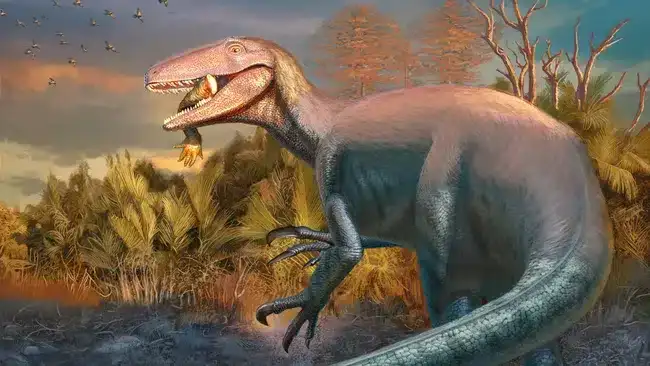
Researchers working in the prehistoric floodplains of present-day central Patagonia have uncovered a remarkable fossil of a carnivorous dinosaur species previously unknown to science. This new dinosaur, named Joaquinraptor casali, was found with the limb bone of an ancient crocodile-like creature still clutched in its jaws, suggesting it died while feeding.
The findings, detailed in a recent paper published in Nature Communications, offer a unique snapshot of apex predator behavior just before the end of the dinosaur era.
A Swift and Skilled Hunter
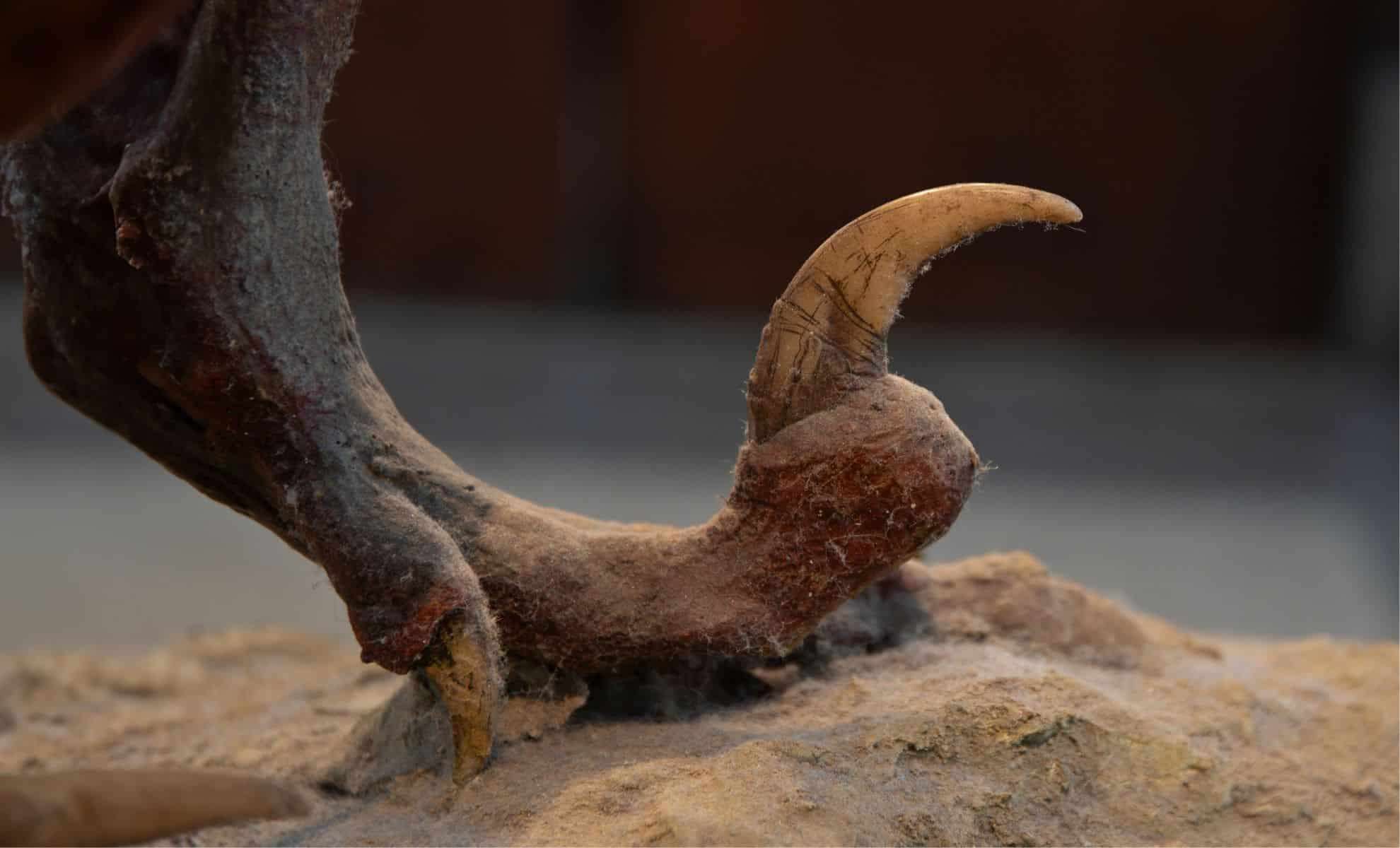
In contrast to the massive and powerfully built Tyrannosaurus rex known from North America, Joaquinraptor was lighter, built for speed, and featured disproportionately large forelimbs armed with sharp claws. “It was streamlined and agile, with enormous arms and blades for hands, almost like pruning shears,” paleontologist Steve Brusatte described to Live Science. “Compared to it, T. rex looks comparatively weak in the arm department.”

These features imply that Joaquinraptor employed precision strikes rather than sheer strength during hunts. University of Calgary’s Darla Zelenitsky suggests it used its slashing bite combined with lethal claw attacks to subdue prey. Weighing more than 2,200 pounds, this dinosaur probably dominated its ecosystem, preying on a range of creatures including crocodilian species.
The fossil’s remarkable preservation—including the crocodile-relative leg bone trapped in its mouth—provides direct evidence of its diet and reaffirms its top predator status. Excavation leader Lucio Ibiricu emphasized how this rare discovery offers new insights into the feeding behavior of dinosaurs.
Bridging Gaps in Dinosaur Evolution
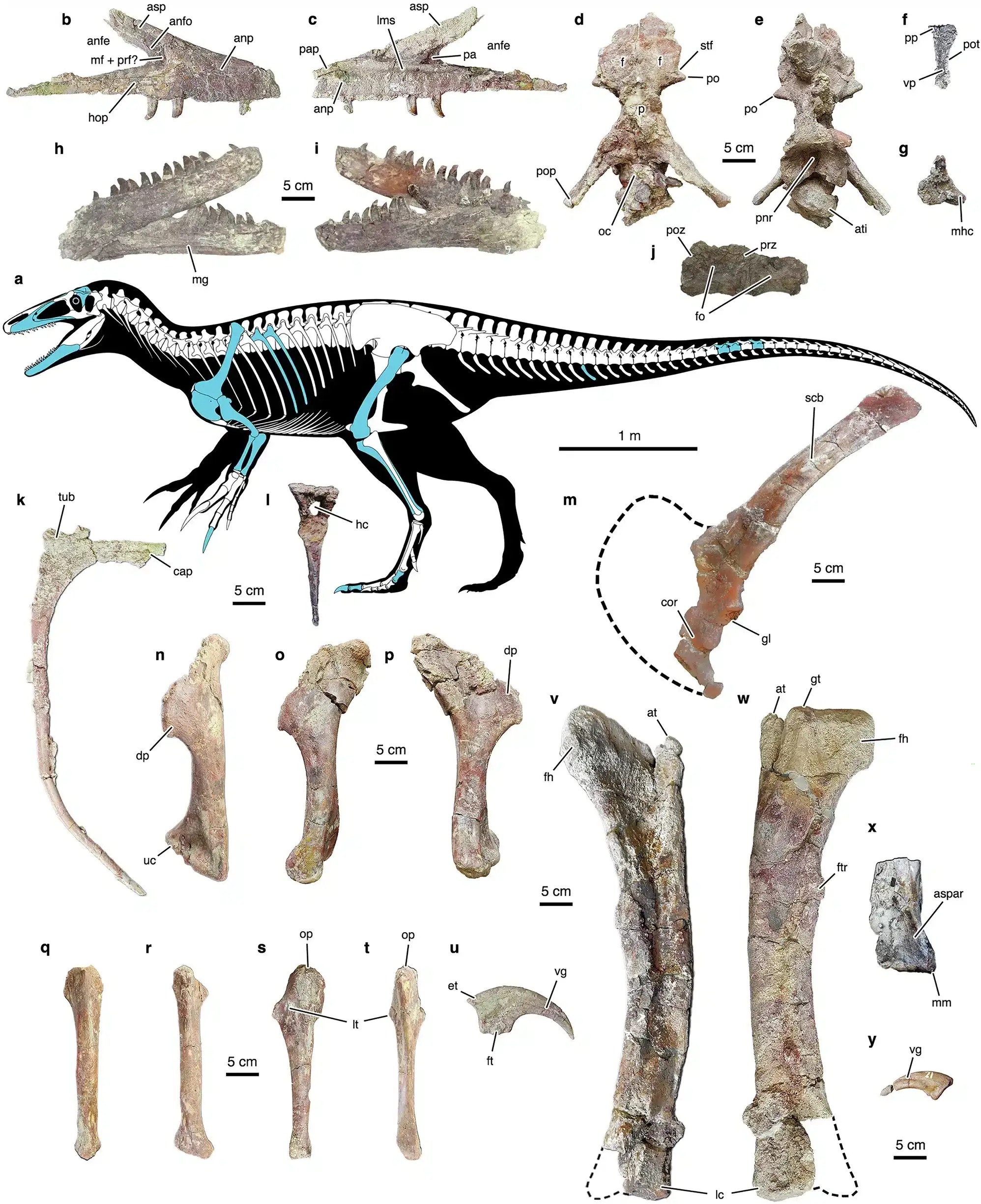
AP News reports that paleontologists uncovered not only arm, leg, and tail bones but also a partial skull. Analyses of the tibia and ribs confirmed the dinosaur was an adult at least 19 years old but still exhibited signs of continued growth, indicating its development was ongoing.
Federico Agnolin from the Argentine Museum of Natural Science Bernardino Rivadavia, who was not part of the team, hailed the fossil as “one of the most complete skeletons to date” within this dinosaur group. Its exceptional condition serves as an important reference for scientists studying predator adaptations late in the Cretaceous period.
A Name Honoring Personal Loss
The dinosaur’s name, Joaquinraptor casali, holds deep personal meaning for lead paleontologist Lucio Ibiricu, who named the species after his son Joaquín, who passed away at a young age. Ibiricu shared with AP News that his son, like many children, loved dinosaurs and likely would have been fascinated by this discovery.
Although Joaquinraptor may represent the last megaraptoran known from South America before the mass extinction event, the fossil reveals vital information about predator-prey dynamics and evolutionary traits in the final days of the dinosaur era. Its unusual anatomy and the crocodilian bone in its jaws make it a standout specimen in paleontological research.
- Categories:
- News






0 comments
Sign in to Comment