

New paleontological research from Venezuela reveals that anacondas developed their enormous size approximately 12.4 million years ago, overturning earlier ideas about their size evolution. Intriguingly, the fossil data show no notable size growth despite higher global temperatures in the distant past.
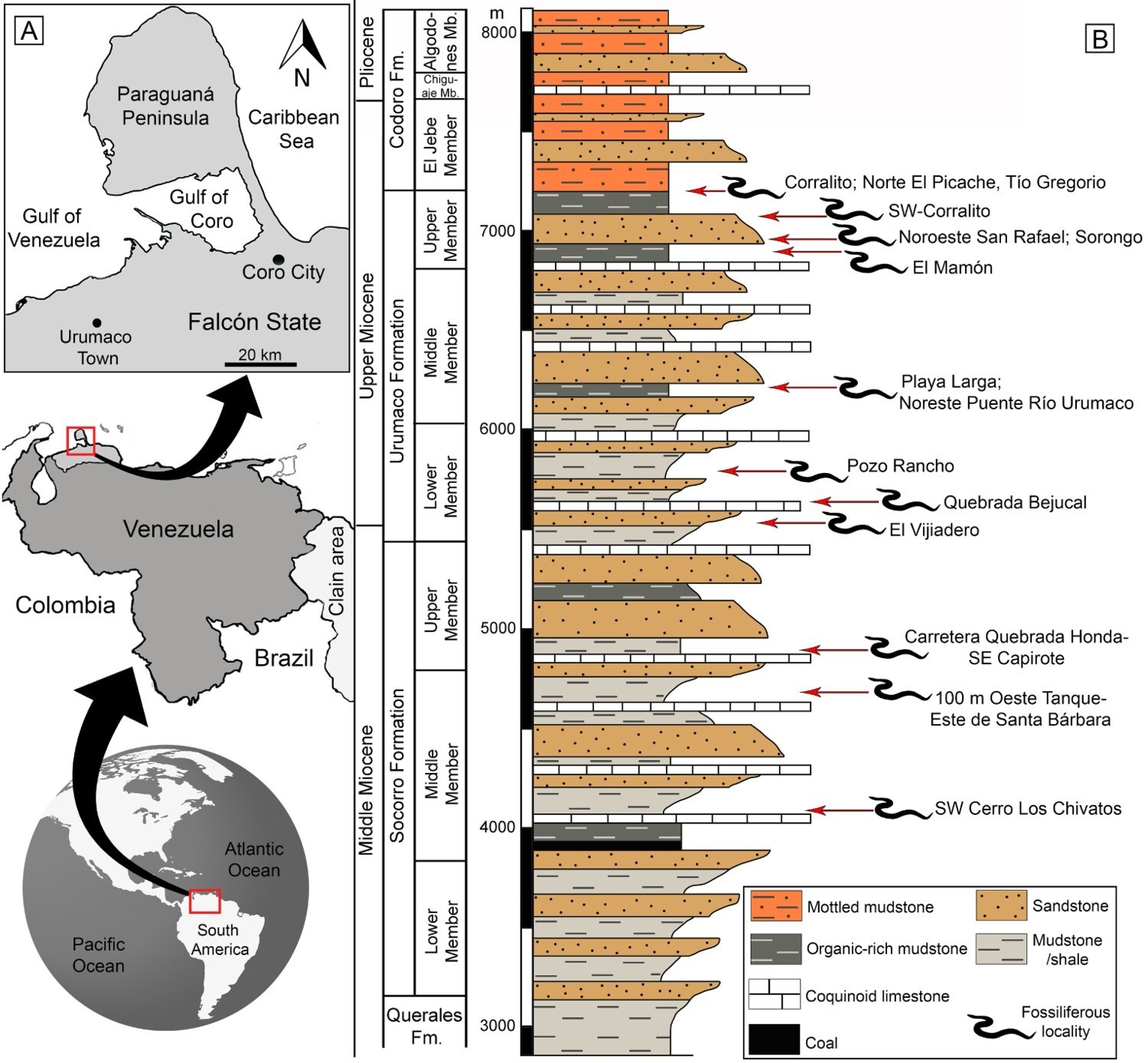
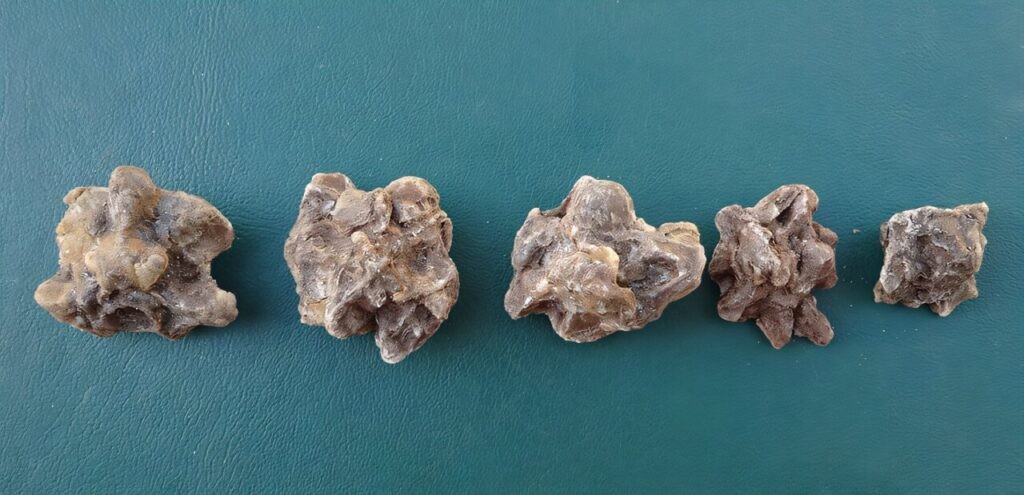
Detailed in the Journal of Vertebrate Paleontology, this study analyzed ancient anaconda fossils found in Falcón State, Venezuela. Researchers examined 183 vertebrae fossils from at least 32 snakes to estimate the dimensions of these prehistoric giants.
Anaconda Gigantism Dates Back Millions of Years
University of Cambridge doctoral candidate Andrés Alfonso-Rojas and his team concluded that the immense size of anacondas is an ancient evolutionary trait. Their study of the fossils suggests these snakes reached large sizes soon after appearing in South America’s tropical regions.

Despite historical periods of warmer climates that typically favor larger reptiles, ancient anacondas did not surpass the size of today’s individuals, which can occasionally grow up to 7 meters long. Their persistence as large snakes is notable, especially as other giant reptile species disappeared from the same era.
“Other species like giant crocodiles and giant turtles have gone extinct since the Miocene, probably due to cooling global temperatures and shrinking habitats, but the giant anacondas have survived — they are super-resilient,” explained Alfonso-Rojas.
He suggested that the large body size of present-day anacondas, found in wetlands and rivers, represents an evolutionary success that helped these snakes outlast other giant fauna from the Miocene epoch.
Uncovering Snake Size Through Fossils
The research applied an evolutionary approach known as ancestral state reconstruction, which uses snake family trees to estimate the size of ancient species. By comparing fossilized bones from different South American locations, scientists confirmed that large constrictors from the past generally measured between 4 and 5 meters. Contrary to expectations, their size remained steady despite warmer Miocene conditions.
To ensure accuracy, the team used a second method based on anatomical comparisons with related species like tree boas and rainbow boas, reinforcing the conclusion that anaconda size has remained consistent over millions of years.
How Anacondas Have Thrived Through Time
Alfonso-Rojas points out that while many large species from the Miocene vanished as the climate cooled and habitats diminished, anacondas have endured largely unchanged. Their continued success is thanks to their adaptation to specific environments, where they feed on plentiful prey such as capybaras and fish.
“This is a surprising result because we expected to find the ancient anacondas were 7 or 8 m long,” he said. “But we don’t have any evidence of a larger snake from the Miocene when global temperatures were warmer.”
These insights imply that anacondas’ evolutionary success stems not from recent rapid growth but from maintaining advantageous characteristics over millions of years.
- Categories:
- Science









0 comments
Sign in to Comment