
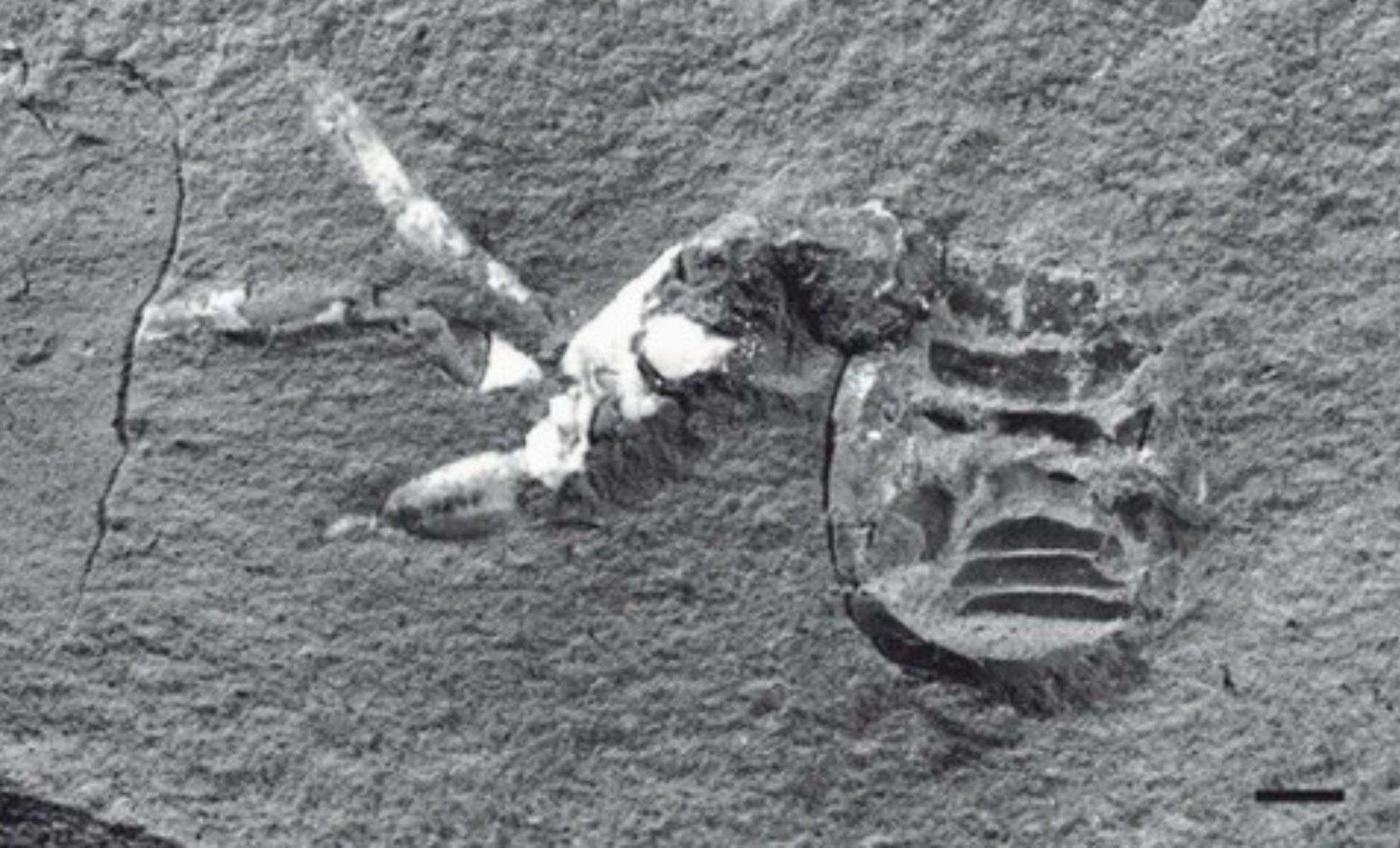
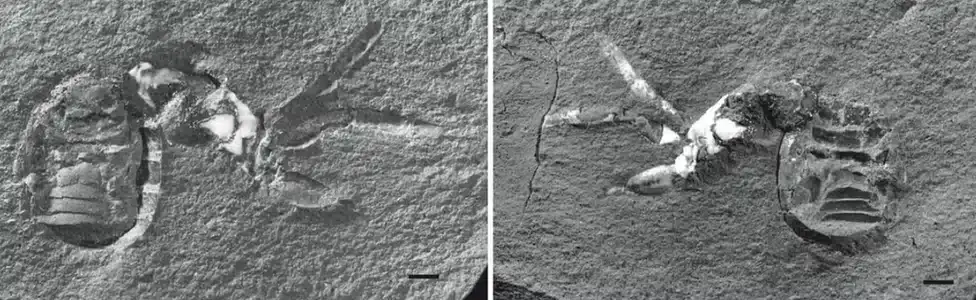
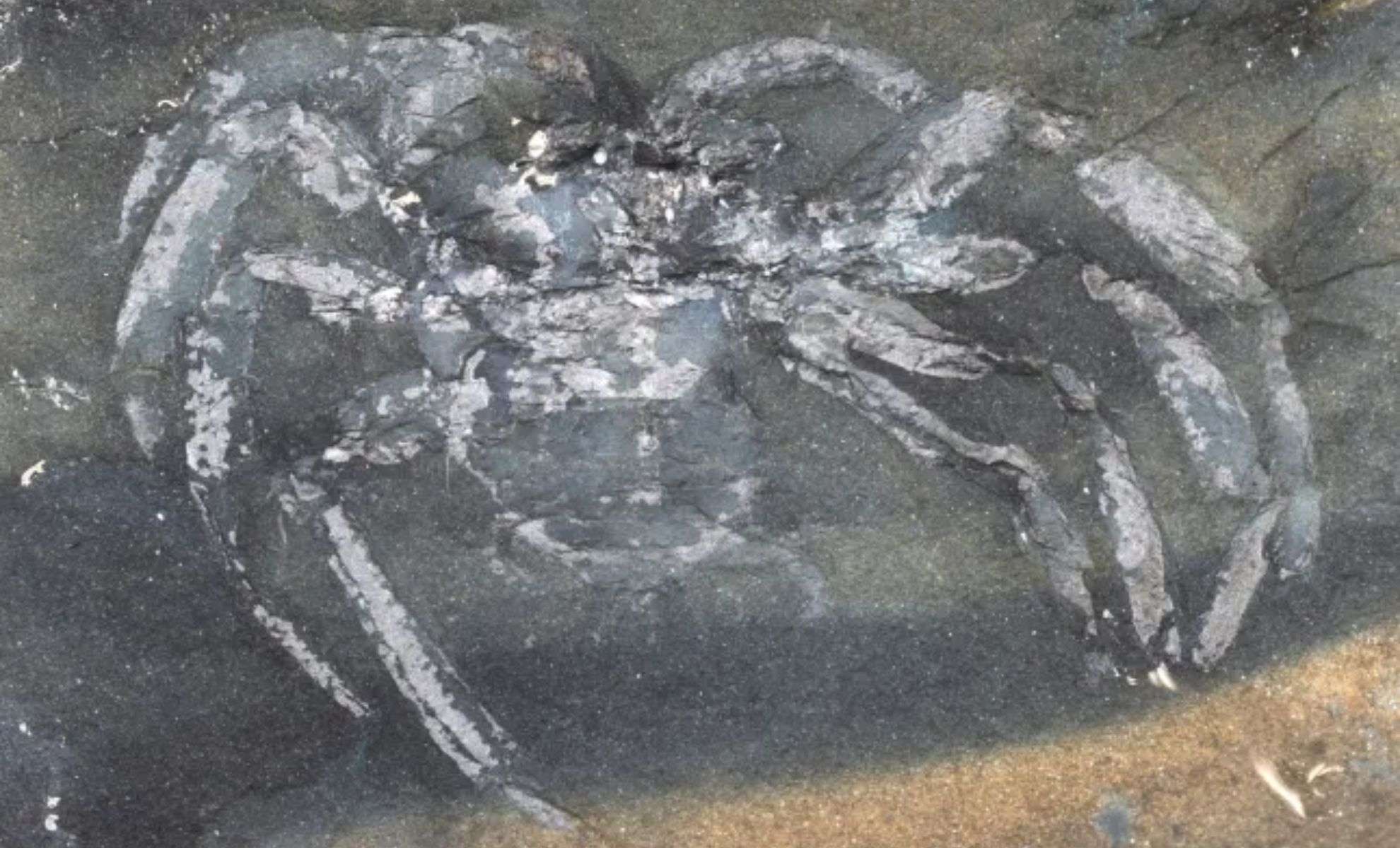
Preserved within stone for more than 310 million years, a spider fossil found in northern Germany showcases extraordinary preservation. Featured in a recent publication in Paläontologische Zeitschrift, this specimen was excavated from the Piesberg quarry near Osnabrück. Named Arthrolycosa wolterbeeki, it reveals delicate anatomical details rarely visible in ancient spider remains, such as silk-spinning spinnerets, claws, and fine hairs on the legs.
Germany’s Earliest Spider Fossil Discovered
Researchers have identified this fossil as the earliest spider specimen known from Germany, dating to the late Carboniferous period, roughly 310 to 315 million years ago. The fossil was donated to the Berlin Museum by its discoverer, Tim Wolterbeek. The species was named in his honor and formally described in a recent article published in the Paläontologische Zeitschrift.
According to scientists, Arthrolycosa wolterbeeki measured about one centimeter in body length with legs extending up to four centimeters. The exceptional fossil quality enables detailed observation of features such as spinnerets, silk-producing organs found in modern-day spiders, along with the fine setae—tiny bristles on the legs that help with movement and detecting vibrations.

A Rare Specimen From Pre-Dinosaur Times
While spiders are abundant today, during the Carboniferous period they were quite scarce. Around 300 million years ago, the Earth’s landscape was dominated by dense ferns, enormous insects, and emerging amphibians, but spiders were still in their early evolutionary stages.
The study emphasizes that spider fossils from this era are exceptionally uncommon. To date, only a dozen species from the Carboniferous have been conclusively identified, previously discovered in regions such as France, the Czech Republic, Poland, and the United States.
Scientists propose that the low fossil count may relate to the spiders’ lifestyle. Some of the oldest living spider groups, like mesotheles, dwell primarily in underground burrows. They create silk-lined tunnels and use silk tripwires to trap prey. If Arthrolycosa wolterbeeki shared similar behaviors, it would rarely have been preserved in the typical fossil-rich environments like swampy areas or lake sediments.
The Gradual Evolution of Early Spiders
Although this extinct spider shares similarities with present-day species, it doesn't represent a direct ancestor of the modern arthropods. The authors explain that the significant evolutionary diversification of spiders, where many current families emerged, likely happened later in the Mesozoic era. This period marked the proliferation of flying insects, providing new prey options and possibly encouraging the development of advanced web-building strategies.
Still, the exceptional fossil of Arthrolycosa wolterbeeki offers a crucial glimpse into an evolutionary phase when predator fossils began exhibiting specialized adaptations. Its discovery in ancient German rock strata hints at the potential for uncovering further Carboniferous era secrets in the region.
- Categories:
- Science

0 comments
Sign in to Comment