
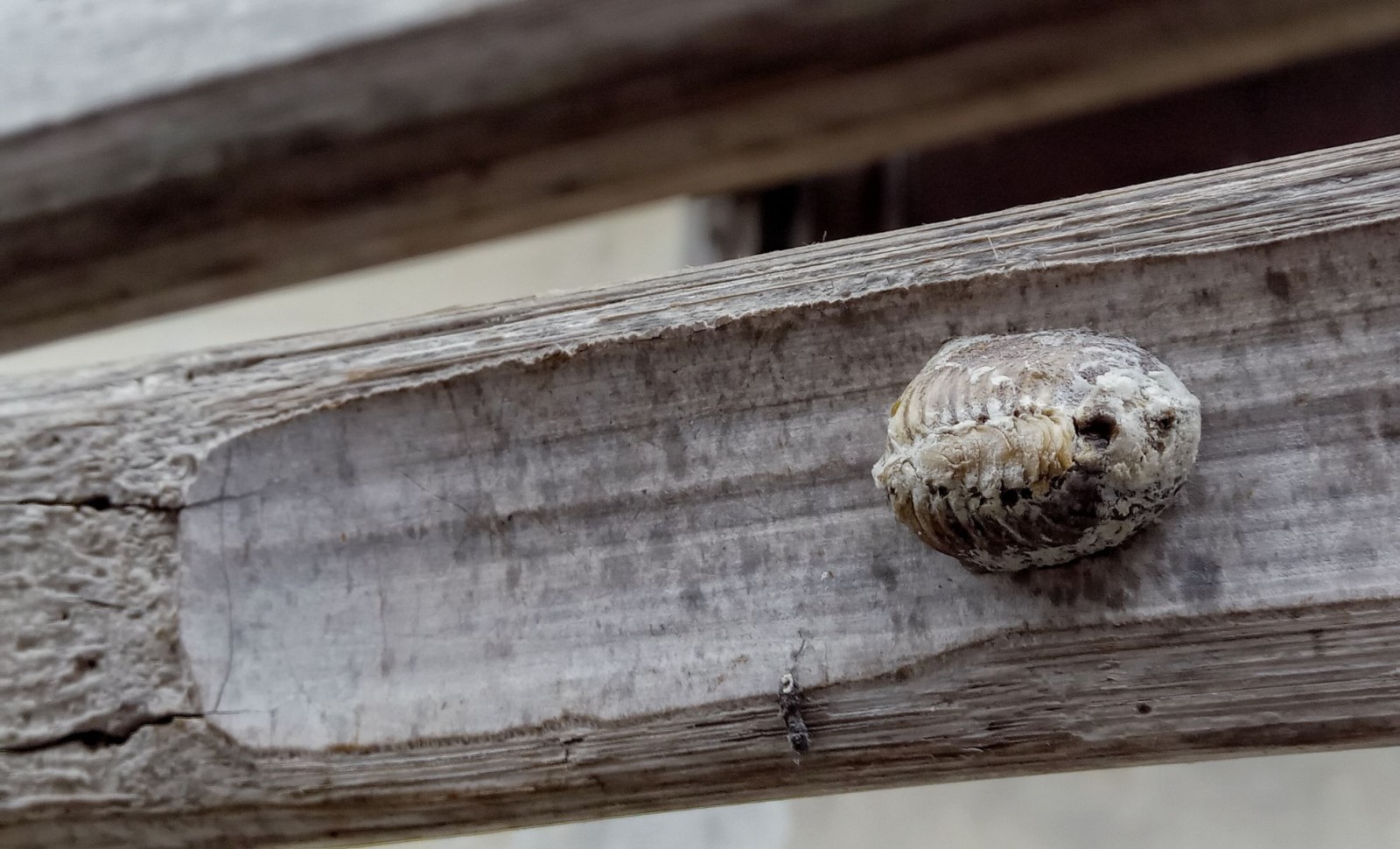
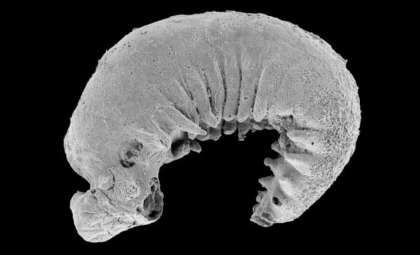
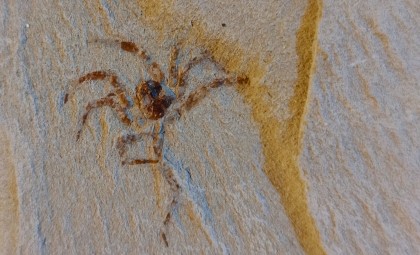
Researchers have uncovered an extraordinary fossil dating back 520 million years that astonishingly retains not only its external form but also internal features like the brain, digestive tract, and nerves. Detailed in a recent paper published in Nature, this unique specimen offers an unprecedented glimpse into the early evolution of arthropods, a group that includes insects, crustaceans, and their relatives. Unlike typical fossils that preserve only hard structures such as bones and shells, this find displays well-preserved soft tissues that usually decay long before fossilization can occur.
Insights from the Extraordinary Fossil
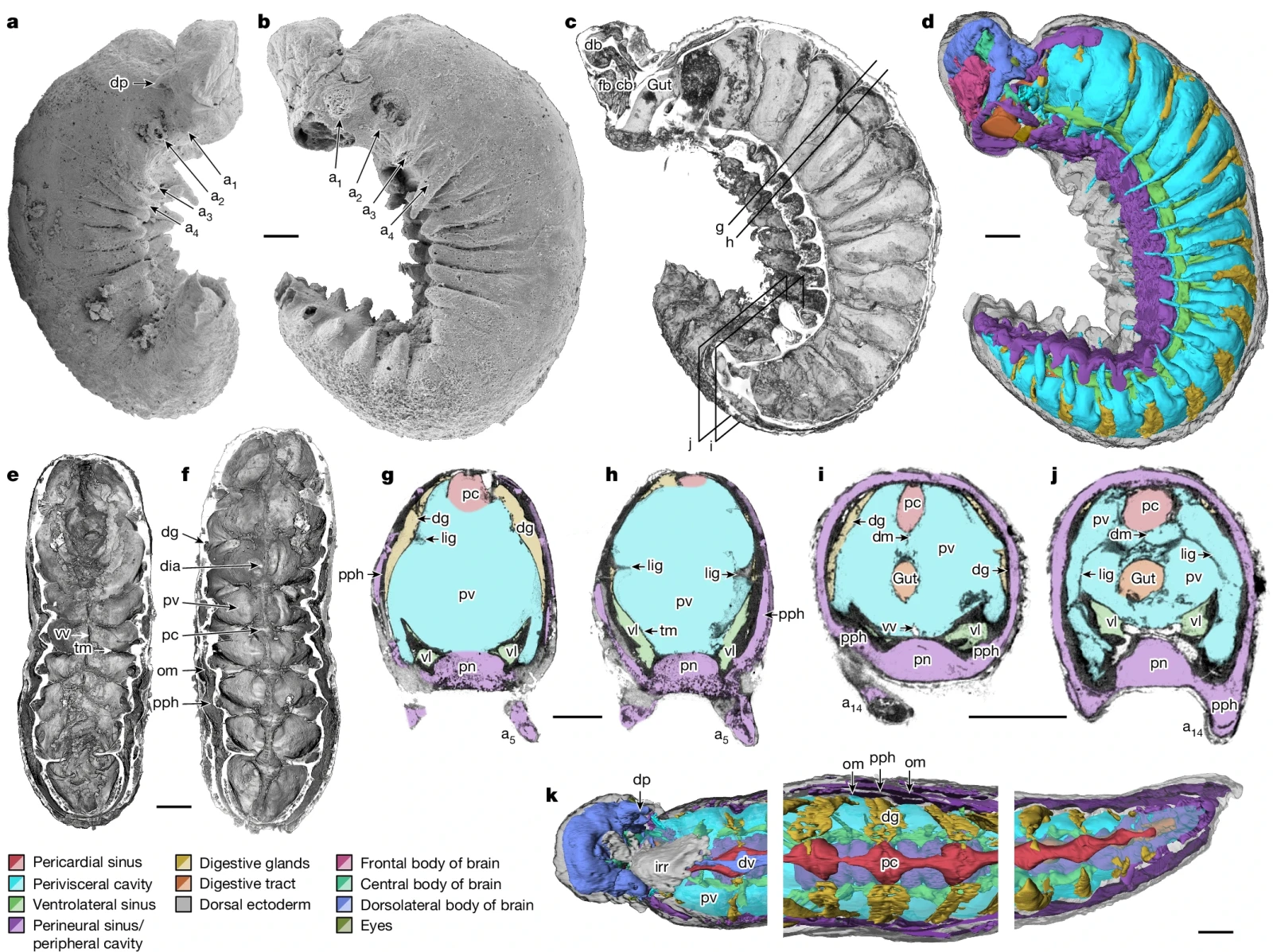
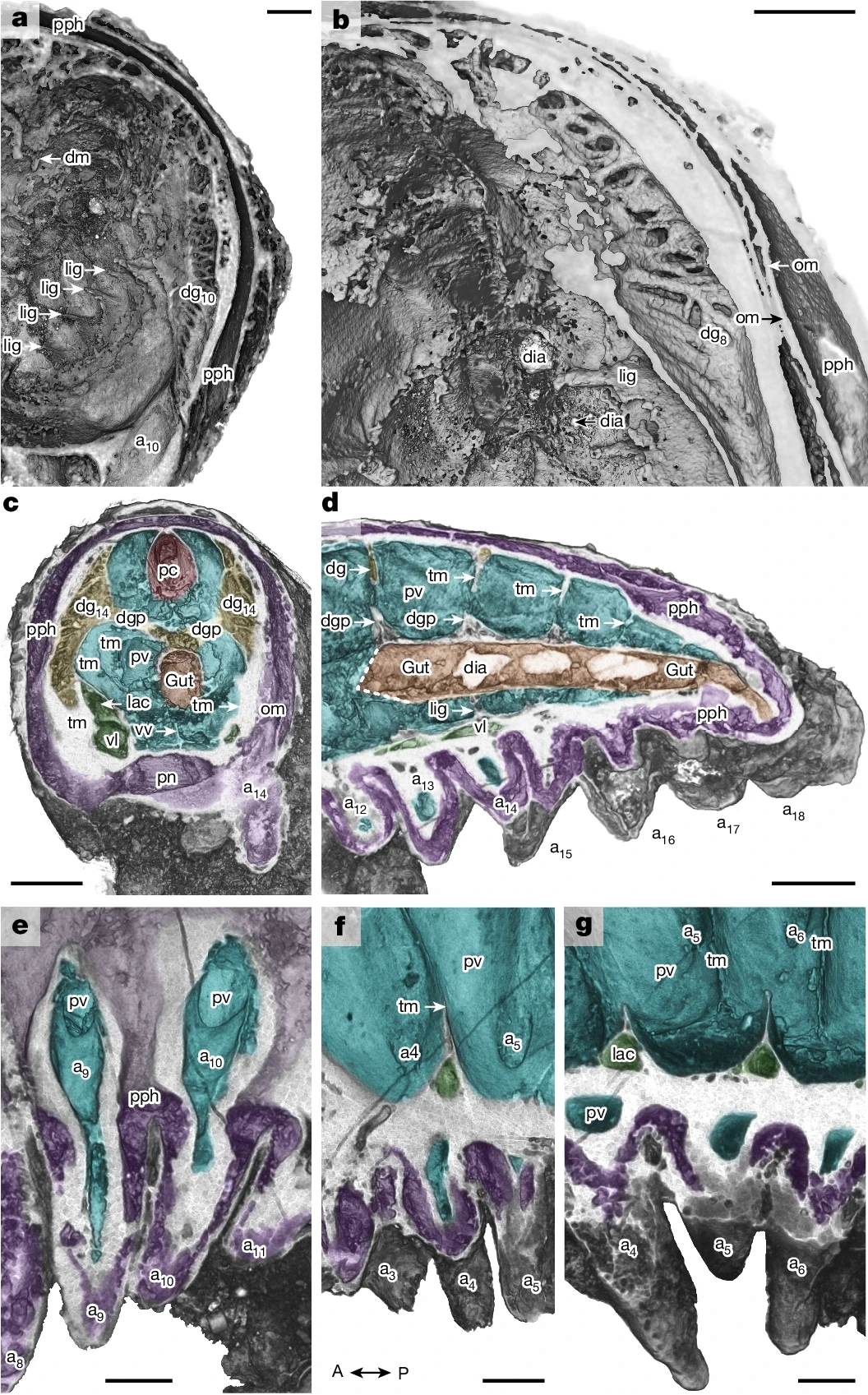
Most fossils are composed mainly of hardened elements like shells or bones, with delicate organs and tissues lost to time. However, this particular larva defies that norm by showcasing an intact brain, digestive organs, and even remnants of a rudimentary circulatory system. The study highlights the incredible level of preservation, achieved through advanced 3D imaging techniques such as synchrotron X-ray tomography, allowing scientists to examine its intricate anatomy in detail.
“It’s always interesting to see what’s inside a sample using 3D imaging, but in this incredible tiny larva, natural fossilization has achieved almost perfect preservation,” said Katherine Dobson, co-author of the research.
Add Cosmo Herald as a Preferred Source

This level of soft tissue conservation is exceptionally uncommon, providing invaluable data that deepen our understanding of how early arthropods—ancestors to many of today’s most diverse species—were structured and functioned hundreds of millions of years ago.
Revealing New Details About Arthropod Origins
Arthropods dominate many ecosystems, from tiny ants to lobster giants, and have a lineage dating back hundreds of millions of years. This fossil bridges a crucial gap by showing features such as the protocerebrum, a foundational brain region instrumental in the development of modern arthropod heads.
This brain region eventually evolved into the complex structures that enable these creatures to thrive in diverse environments. Lead researcher Martin Smith described the breakthrough as a moment of fulfillment:
“When I used to daydream about the one fossil I’d most like to discover, I’d always be thinking of an arthropod larva,” he explained.
The ability to examine the brain anatomy of this tiny ancient creature provides fresh perspectives on arthropod evolution and developmental biology.
A Truly Rare Paleo Discovery
Discovering such a tiny fossil on its own is a remarkable achievement, but locating one with soft tissues so well-preserved is virtually unprecedented. Most microfossils from the Cambrian period only leave behind fragmentary or mineralized remains. Yet, this discovery defies these odds.
The likelihood of a delicate larva preserving its brain and organs nearly perfectly over half a billion years was once considered negligible. As Dobson reflected:
“Larvae are so tiny and fragile, the chances of finding one fossilized are practically zero—or so I thought.” She added, “I already knew that this simple worm-like fossil was something special, but when I saw the amazing structures preserved under its skin, my jaw just dropped—how could these intricate features have avoided decay and still be here to see half a billion years later?”
This fossil challenges existing views on what biological materials can withstand fossilization, offering a rare window into Cambrian life. Based on a press release, the specimen is currently housed at Yunnan University in China, where it was originally discovered.
- Categories:
- Science



0 comments
Sign in to Comment