
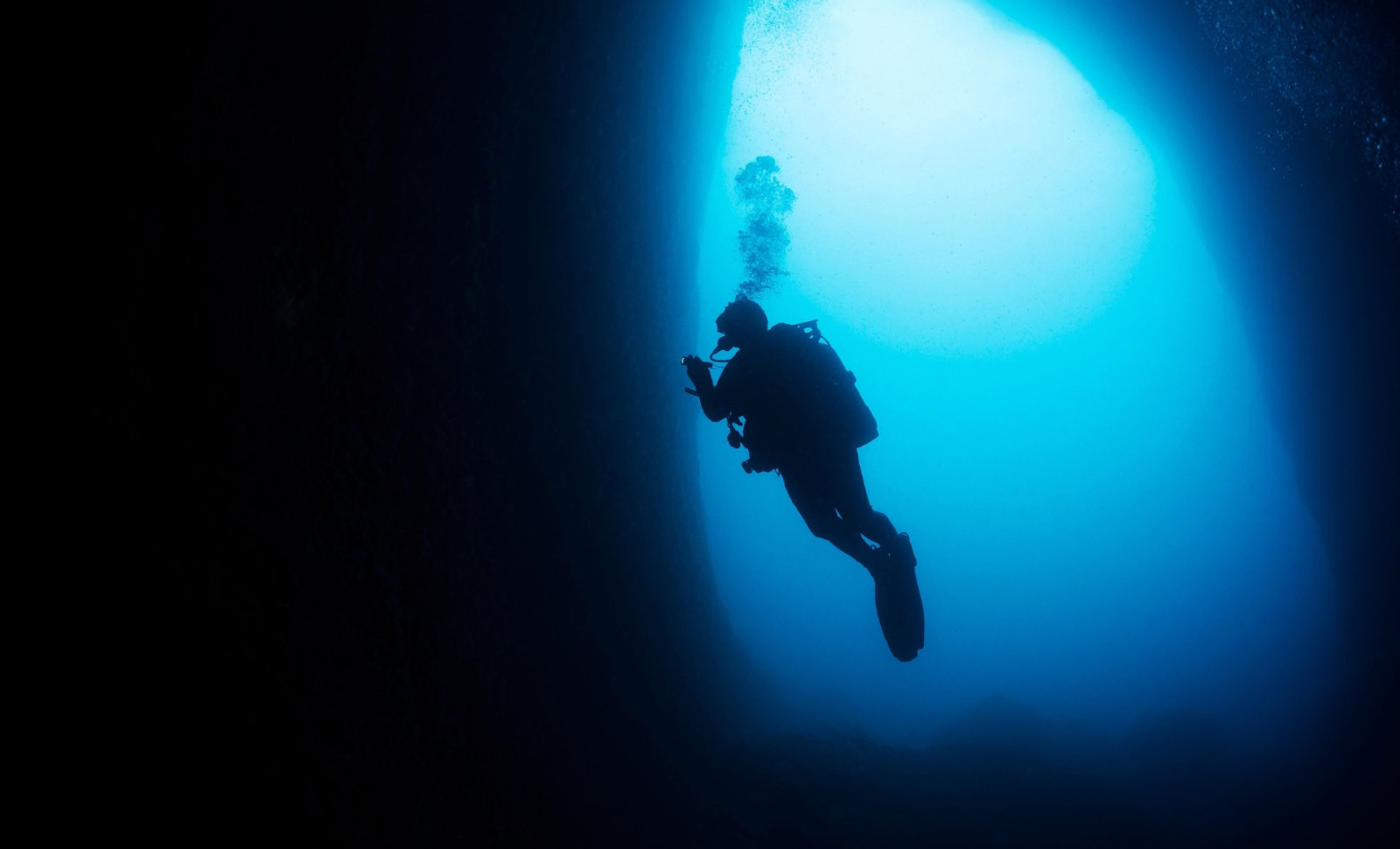
Near Indonesia’s Maluku Islands, a pair of French divers ventured to depths approaching 145 meters, capturing unprecedented images of a living fossil navigating the dark ocean waters. Documented in Scientific Reports, this rare encounter unveils fresh insights into one of the sea’s most mysterious inhabitants.
Historic In Situ Sighting in Indonesian Waters
In October 2024, divers Alexis Chappuis and Julien Leblond undertook deep-sea exploration near the Maluku archipelago. Equipped with closed-circuit rebreathers and armed with extensive research, their goal was to locate the elusive Indonesian species of coelacanth, Latimeria menadoensis.
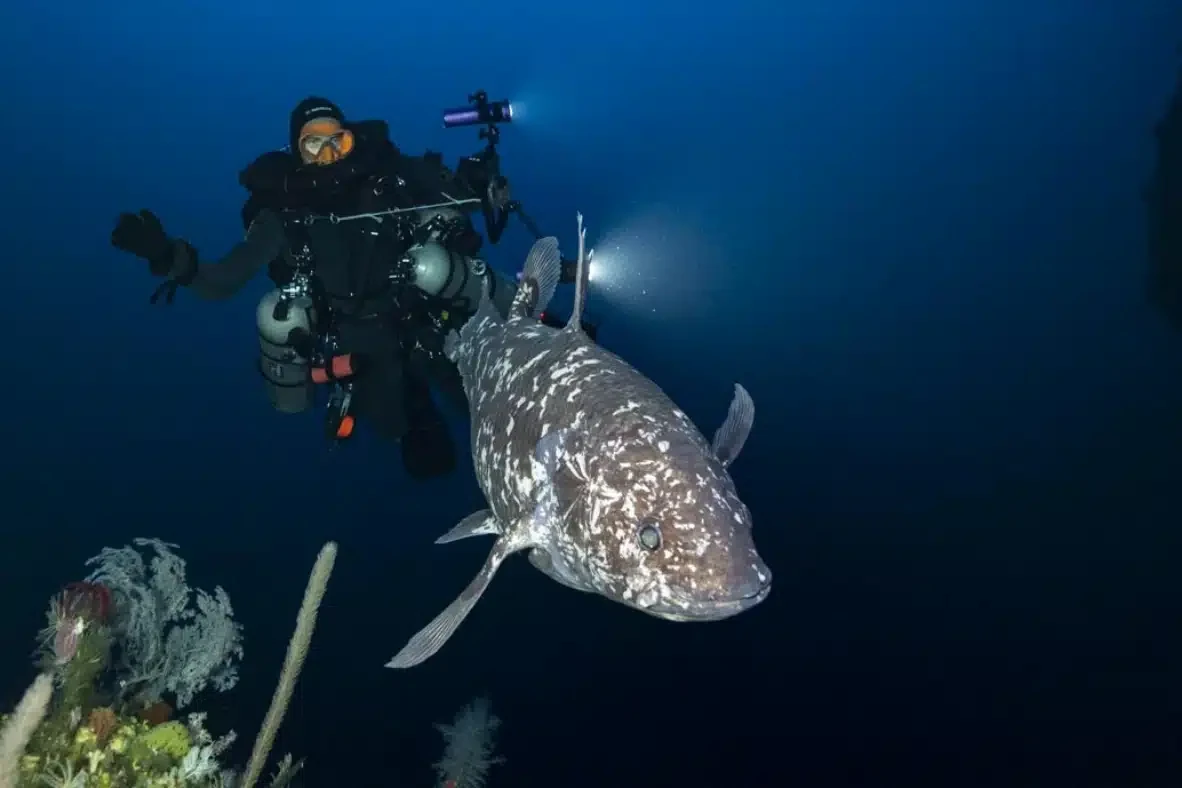
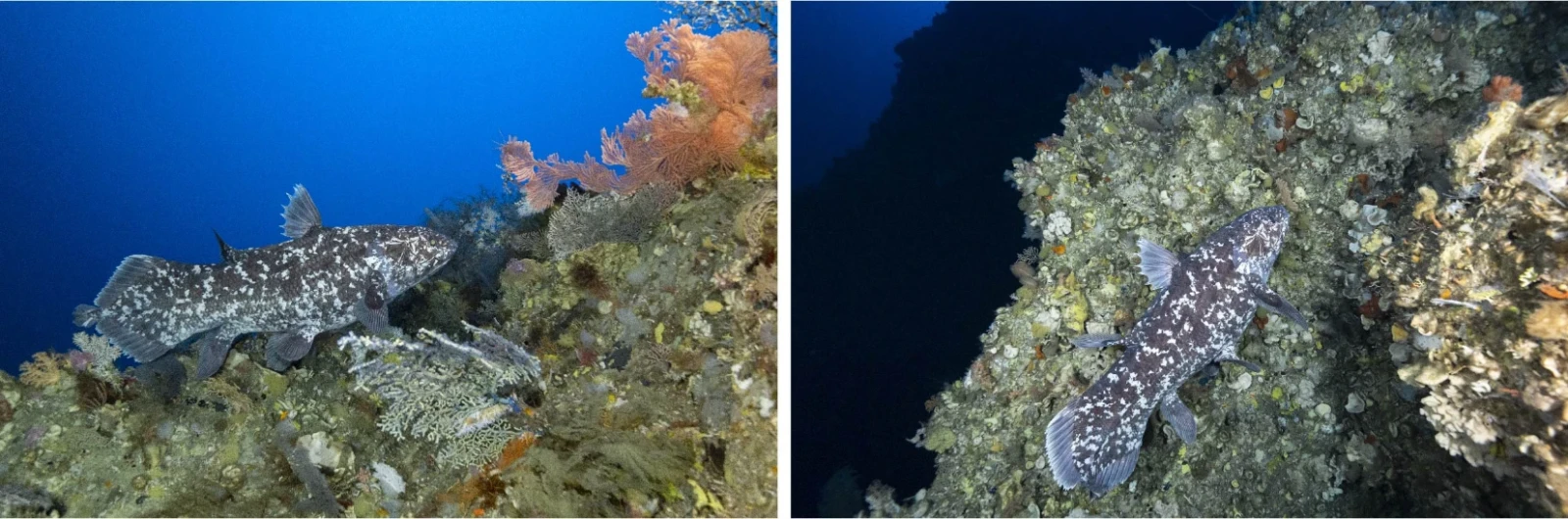
The milestone, outlined in Scientific Reports, came after over 50 dives and two years of detailed seafloor analysis. Navigating a narrow underwater gorge, the team spotted a dark blue fish marked with white spots moving leisurely above a sponge-covered ledge. The divers held their position silently, capturing footage as the fish hovered before vanishing into the abyss. They witnessed the same individual again the next day, identifiable by its distinct spot pattern.

This event marks the first documented in situ observation and filming of this “living fossil” within Maluku Province, representing a significant development in marine science.
Unraveling the Legacy of an Ancient Species
Once thought extinct alongside dinosaurs, the coelacanth was unexpectedly rediscovered in 1938 off South Africa’s coast. Currently, only two species are verified: Latimeria chalumnae in the western Indian Ocean and Latimeria menadoensis inhabiting Indonesia’s deep seas.
Although often labeled a “living fossil,” this term doesn’t fully describe the species’ evolutionary journey. The coelacanth has evolved gradually over millions of years. Its body retains primitive features such as limb-like fleshy fins, a distinct two-part skull, and a remnant lung, offering crucial clues into the vertebrate transition from aquatic to terrestrial life.
Heightened Threats to the Deep Sea Realm
Coelacanths generally inhabit depths between 100 and 400 meters, providing them shelter from many human impacts. However, this protective margin is shrinking. Climate-induced warming, plastic contamination, marine noise, and increasing deep-sea tourism are posing growing challenges to these isolated ecosystems.
The International Union for Conservation of Nature (IUCN) categorizes Latimeria menadoensis as vulnerable due to their slow reproduction. With lifespans exceeding 100 years, coelacanths take approximately 55 years to reach maturity and endure up to five-year pregnancies. This reproductive pace limits population growth, making each specimen vital to the species’ survival.
Although this new sighting doesn’t conclusively indicate an established local population, it strongly points to one existing. Vast unexplored deep waters between Sulawesi and West Papua may serve as safe habitats for these creatures.
Advancing Research with Non-invasive Methods
The researchers plan to focus on non-intrusive genetic sampling techniques in future studies, enabling them to gather data on coelacanth genetic diversity, movement patterns, and population distribution without disturbing the animals.
“This first wild encounter in a region where no coelacanth has been previously reported marks a pivotal step in efforts to understand the biogeography, natural behavior, and habitat of this enigmatic species, providing a foundation for advancing ecological studies of coelacanths and urgently protecting their vulnerable deep-reef habitats,” wrote the team behind the study.
By deepening knowledge of coelacanths in their natural environment, scientists hope to safeguard this ancient and rare marine vertebrate for generations to come.
- Categories:
- News








0 comments
Sign in to Comment