
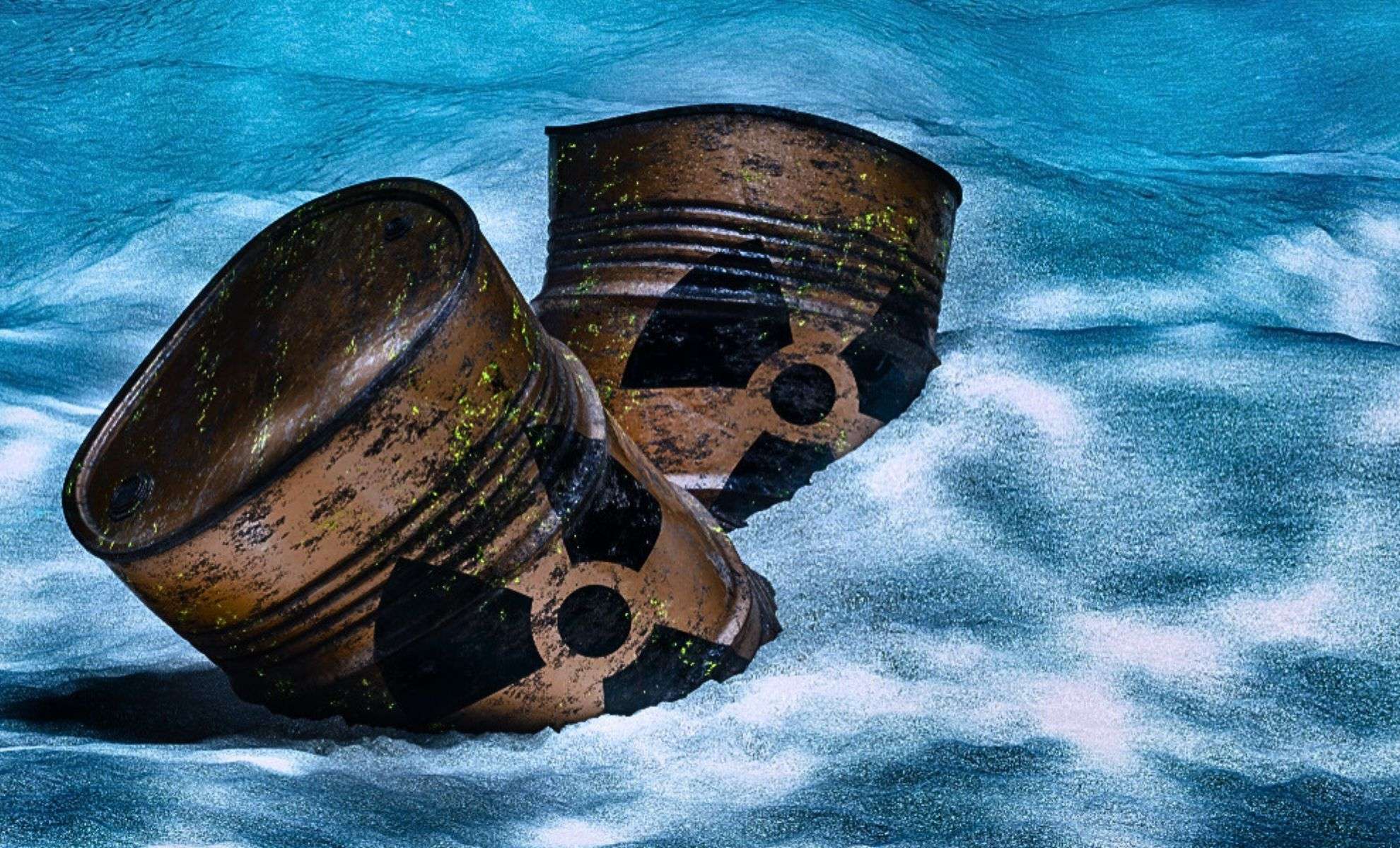
For decades, over 200,000 containers holding radioactive materials—some originating from the early Cold War era—were covertly disposed of in the North-East Atlantic Ocean between the 1940s and 1990. Now, French research institutions CNRS and Ifremer have launched an expedition to investigate the current condition of these submerged barrels.
This marks the most extensive scientific expedition since the dumping ceased under the London Dumping Convention of 1990. What was once considered a barren deep-sea expanse, lying more than 4,000 meters below the surface, is now recognized as a habitat supporting diverse marine life. Scientists are aiming to determine whether these ecosystems have been affected by contamination and to what degree.
In an announcement on May 21, 2025, the CNRS unveiled the NODSSUM project, an interdisciplinary endeavor integrating nuclear physics, oceanographic sciences, marine biology, and geochemical analysis. Besides charting the undersea topography, the mission confronts a challenging question: has human activity inflicted lasting harm on this part of the ocean, and is it reversible?


Advanced Technology Deployed for Underwater Search
Kicking off in June 2025, the expedition used the autonomous vehicle UlyX, a high-tech submarine operated by the French Oceanographic Fleet. This robot can reach depths of up to 6,000 meters and employs precision sonar and live imaging to navigate the uneven seafloor.
During a month-long campaign, scientists surveyed roughly 6,000 square kilometers within the suspected dumping grounds, especially near sites NEA#3 and NEA#4 located in international maritime zones. The original coordinates, documented during the Cold War, left uncertainties about the barrels’ exact positions and status.

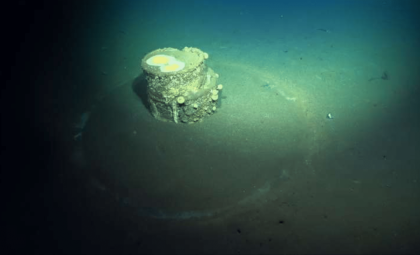
The last recorded sightings of six barrels were in 1985, photographed by the now-retired French submersible Epaulard during the Epicea expedition. No monitoring followed until now, despite changes in environmental perspective and policy.
Assessing Radiological Effects and Marine Life Impact
When barrels are found, close-range imaging and scanning will be performed. Should any signs of container deterioration appear, researchers will collect samples of sediments, seawater, and surrounding marine fauna to evaluate contamination. The team has already placed traps for fish and crustaceans, along with current meters and sediment samplers, to analyze chemical and biological changes near the barrels.
According to CNRS, this project aims to detect possible radioactive leaks and track the movement of radionuclides such as cesium-137 and plutonium-239. These isotopes can persist for many years, binding to particles, entering marine organisms, and progressing through food chains.
Results will contribute to PRIME RADIOCEAN, a broader government-supported initiative focused on setting standards for long-term surveillance of radioactive pollutants in the ocean.
- Categories:
- News






0 comments
Sign in to Comment