
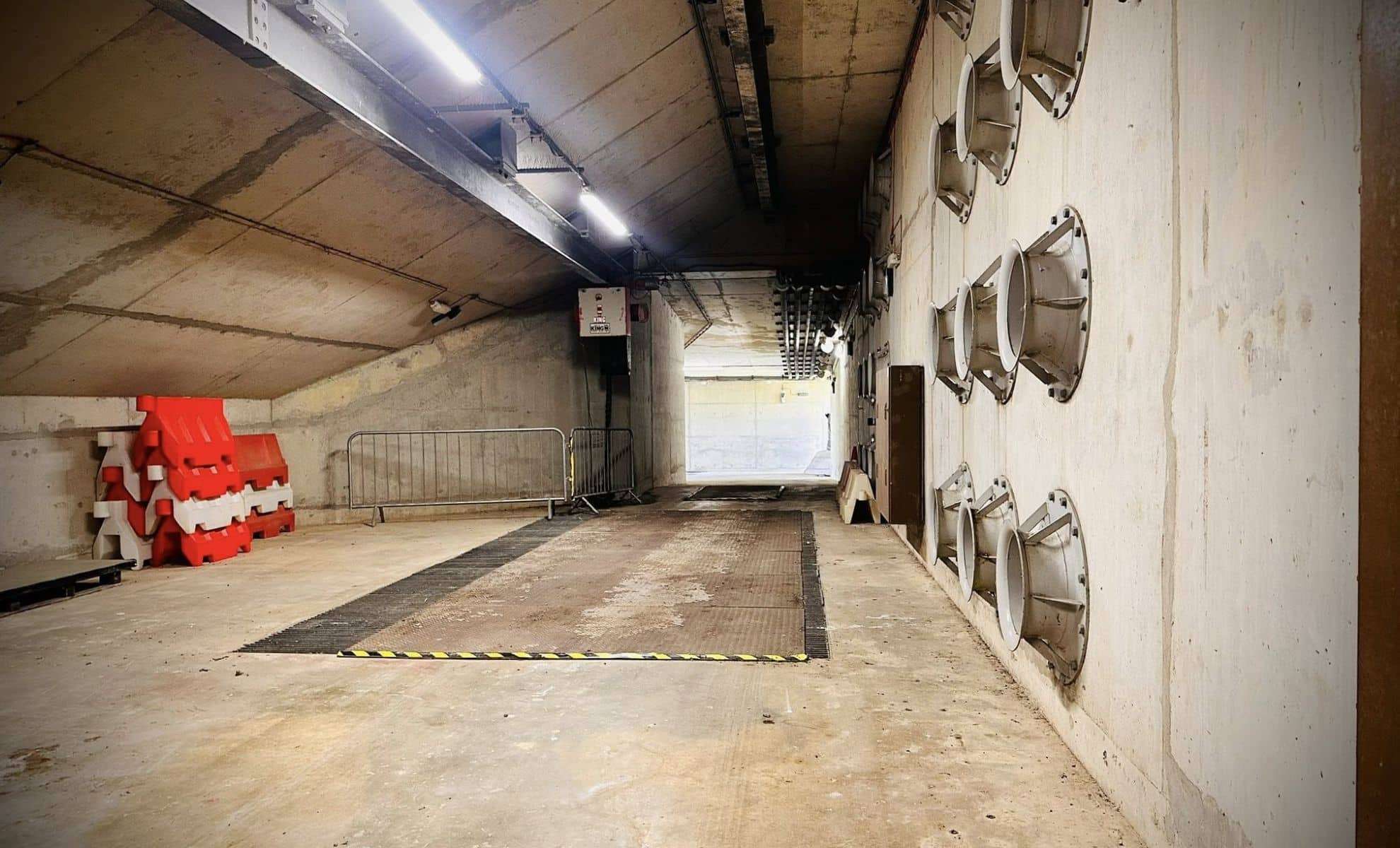
Hidden within the peaceful landscape of Cambridgeshire, England lies a remarkable Cold War monument known as the “Magic Mountain.” Officially called the Avionics Building at RAF Alconbury, this Grade II listed concrete fortress once operated as a hub for classified missions aimed at countering nuclear threats during a tense era of global politics.
From Wartime Origins to Strategic Importance
Built shortly before World War II, RAF Alconbury originally served as a satellite airfield to both RAF Upwood and RAF Wyton. Its role expanded significantly after the United States joined the conflict, with runways extended to accommodate heavy bombers from the 8th United States Army Air Force, including notable groups such as the 92nd, 93rd, and 95th Bombardment Groups, which played key roles in Allied air campaigns across Europe.
During the Cold War, RAF Alconbury transitioned to support reconnaissance aircraft operating at high altitudes. Among its famous occupants was the 19th Reconnaissance Squadron, known for flying the U2/TR-1 spy planes dubbed the “Dragon Lady”. The sensitive intelligence gathered demanded advanced processing facilities, prompting the construction of the Avionics Building in 1989 to manage the complex data streams from these critical missions.

A Fortification Built to Last
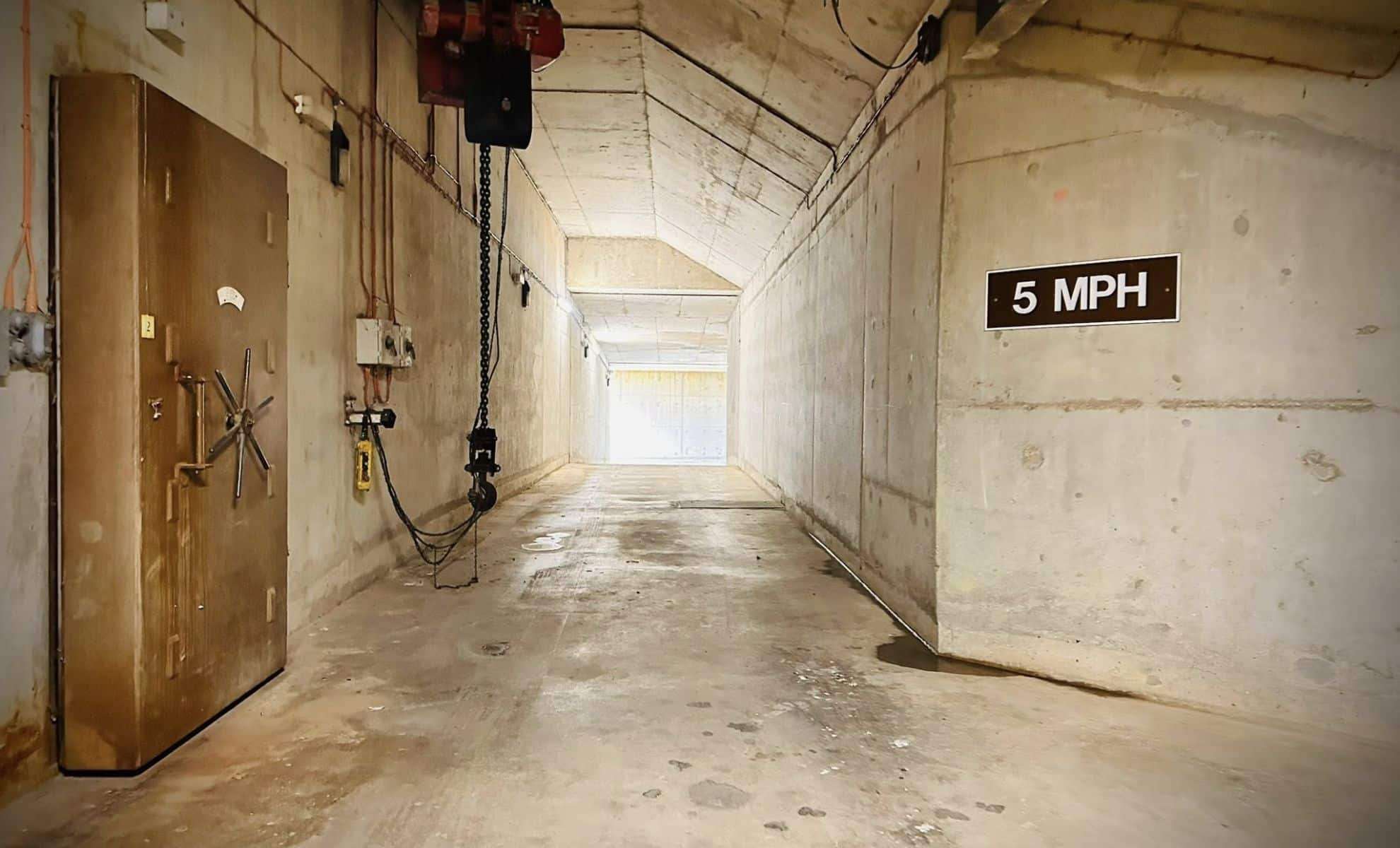
The Magic Mountain was designed with exceptional durability in mind. Its two-level structure is partly underground to provide natural protection against attacks, while the heavy reinforced concrete roof, known as a “buster cap,” was engineered to resist missile impacts. Beyond physical defense, the bunker was built to withstand threats from chemical, biological, and indirect nuclear exposure.
The upper level housed vital operational features including life support systems, stainless steel decontamination chambers, photographic processing rooms, electronic repair workshops, and a communication hub.
Dedicated spaces were assigned for secure handling and storage of classified materials. The lower areas contained advanced computing equipment, air compressors, power generators, and uniquely for the time, gender-specific restrooms—a rare amenity in military facilities. A plaque bearing the phrase “Aircrews live by the knowledge, skill, awareness, and integrity of their maintenance people” remains a touching tribute within the building.
Silent Decommissioning and Lasting Influence
The Avionics Building did not receive a grand farewell like many other military sites but instead gradually ceased active use following the wider 1995 closure of RAF Alconbury. The former airbase has since been transformed into the Alconbury Weald residential and commercial development. Nonetheless, parts of the site remain operational, including a support center for the Joint Intelligence Analysis Centre (JIAC), managed by the 501st Combat Support Wing of the United States Air Force.
Currently managed by Alconbury Weald – Urban&Civic, the historic Magic Mountain is incorporated into ongoing efforts to commemorate Cold War heritage alongside modern growth. Natalie Leigh-Brown, the Community Development Lead, remarks, “Alconbury Weald has a unique military heritage.”
Protecting History Through Documentation
Helping to safeguard this legacy is the Airfield Research Group, a charitable organization dedicated to preserving the rich military past of RAF Alconbury and honoring those who served. Jeff Hawley, founder of the 1st Air Division Headquarters Heritage Society, highlights their wider goal of collecting and maintaining historical records of military and civilian airfields worldwide.
In partnership with Historic England and local developers, their work ensures this Cold War landmark’s story endures. For enthusiasts, a virtual exploration of the Avionics Building offers a rare glimpse inside the hidden facility.
- Categories:
- News








0 comments
Sign in to Comment