
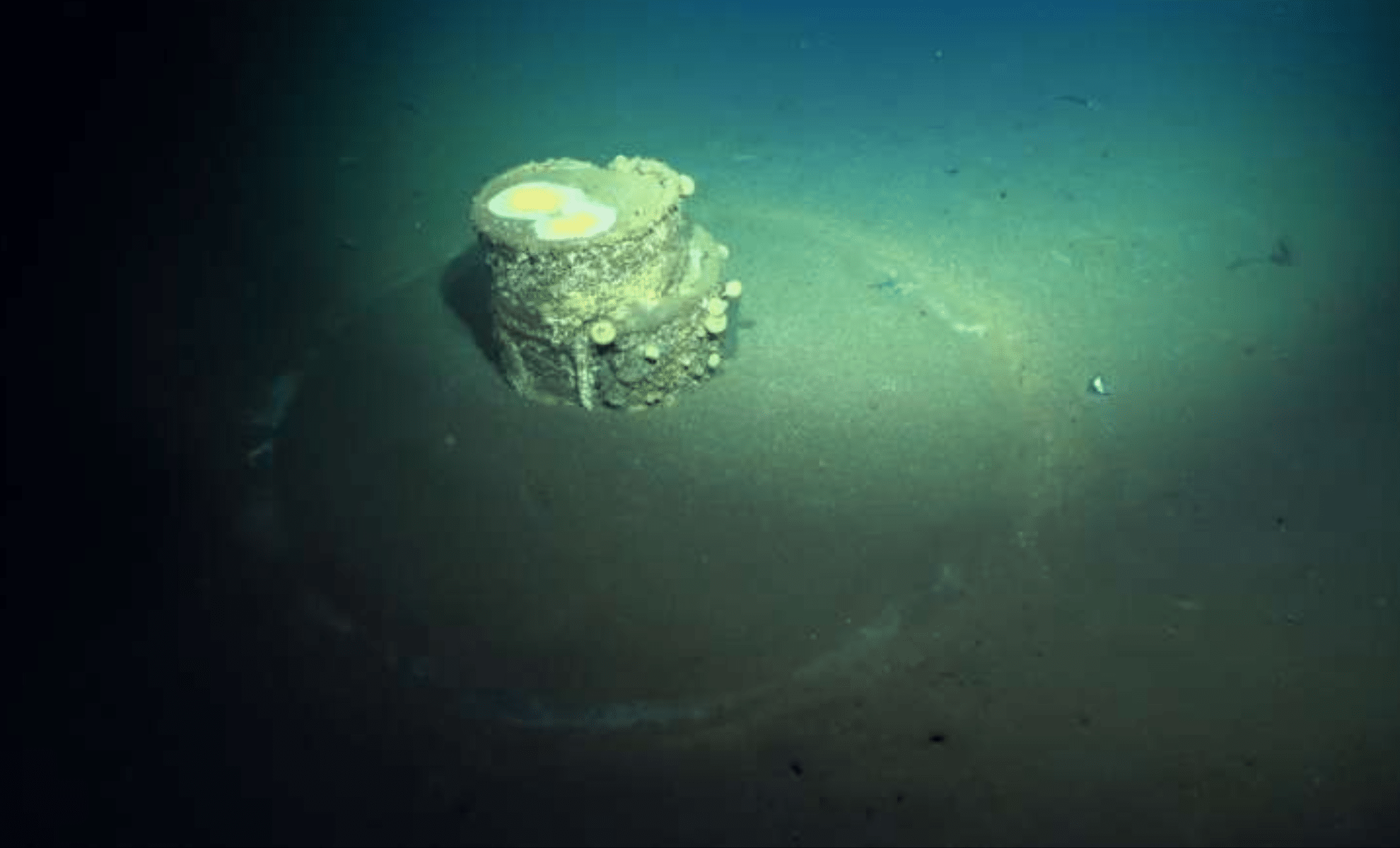
Off the Los Angeles coastline, rusted barrels dating from the 1930s through the 1970s continue to leak harmful substances into the marine environment. New findings from the Scripps Institution of Oceanography at UC San Diego indicate that besides the well-known pesticide DDT, these barrels hold highly corrosive alkaline waste, posing ongoing threats to the seabed, as reported in PNAS Nexus.
Unveiling the Composition of Sunken Barrels
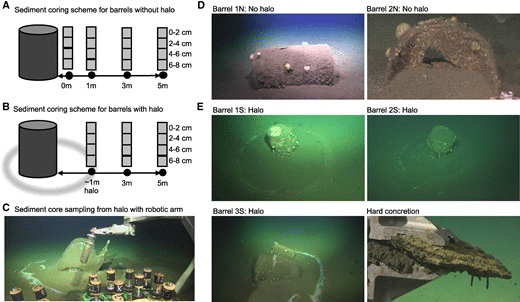
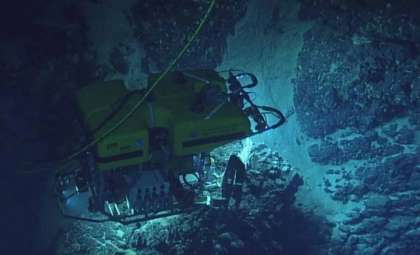
Previously, the corroded containers were thought to contain primarily DDT, a pesticide banned since 1972. Yet, underwater imagery showing the barrels encircled by distinct white sediment halos prompted scientists to reexamine their contents. These halos, initially attributed solely to DDT leaks, were found to originate from caustic alkaline substances as well. Leading author Johanna Gutleben remarked, “Acid waste was a principal byproduct during DDT manufacture, which wasn’t stored in barrels. It raises the question: what toxic waste was severe enough to be barrelled?”
This discovery broadens concerns from a single pollutant to multiple hazardous industrial wastes dumped offshore, possibly including byproducts from oil refining and chemical sectors. Gutleben highlighted, “DDT wasn’t the only material disposed of underwater here, and our understanding of the other pollutants remains very limited.” The finding compels a reexamination of the ocean’s contamination scope in this region.

Alkaline Waste: A Hidden Hazard Beneath the Waves
Identification of alkaline waste as a major component enriches the knowledge of marine pollution complexities. Alkaline waste, a residual product of various industrial processes, chemically reacts with seawater, forming mineral crusts such as brucite that appear as the characteristic white sediment rings. “This enhances our comprehension of the extent of damage caused by dumped barrels,” noted senior author Paul Jensen. “It’s startling that over half a century later, these effects persist.” Beyond their appearance, these alkaline mineral formations have significant ecological implications.
The leakage drives localized changes in pH, rendering the sea floor extremely alkaline. This altered chemistry creates a harsh environment where only specialized microorganisms, akin to those near deep-sea hydrothermal vents, can thrive. The durability of these deposits means that microbial ecosystems in the area will likely experience impacts for decades ahead.
Lasting Harm From Industrial Ocean Dumping
Recognition of these toxic barrels and their mixed contents shines a light on the long-term environmental consequences of ocean waste disposal. While investigations initially targeted DDT, research has expanded to assess the broader effects from a mix of industrial chemicals beneath the sea. As Gutleben stated, “Our findings reveal a history of multifaceted pollution. Until now, the focus was almost exclusively on DDT, but alkaline and possibly other wastes demand attention as well.” Understanding the full range of dumped materials is crucial given their enduring ecological footprint.
The contamination, though potentially limited in geographic distribution, has serious localized impacts. The barrels resting on the ocean floor and their contents disrupt microbial populations, with consequences that may ripple through marine food webs and biodiversity. Jensen emphasized, “Without knowing how many barrels are surrounded by these white mineral halos, gauging the full environmental toll is challenging, but the localized microbial disturbances are evident.”
Addressing Ocean Floor Pollution: Complexities and Prospective Solutions
Although the presence of alkaline waste in the barrels is now confirmed, effective remediation remains a daunting challenge. The extreme toxicity combined with the technical difficulty in accessing sediment-buried barrels complicates cleanup attempts. Many barrels containing DDT and other contaminants lie hidden beneath several centimeters of ocean sediment, which helps somewhat contain them. Jensen explained, “The highest levels of DDT are about 4 to 5 centimeters below the seafloor. Disturbing this layer may release harmful sediment plumes into the water.”
Physical removal might exacerbate pollution by dispersing toxic compounds. Therefore, researchers are investigating bioremediation strategies that leverage naturally occurring microbes to degrade DDT and other chemicals gradually. Such biological methods could offer the most viable path toward diminishing harmful effects over time.
- Categories:
- News






0 comments
Sign in to Comment