
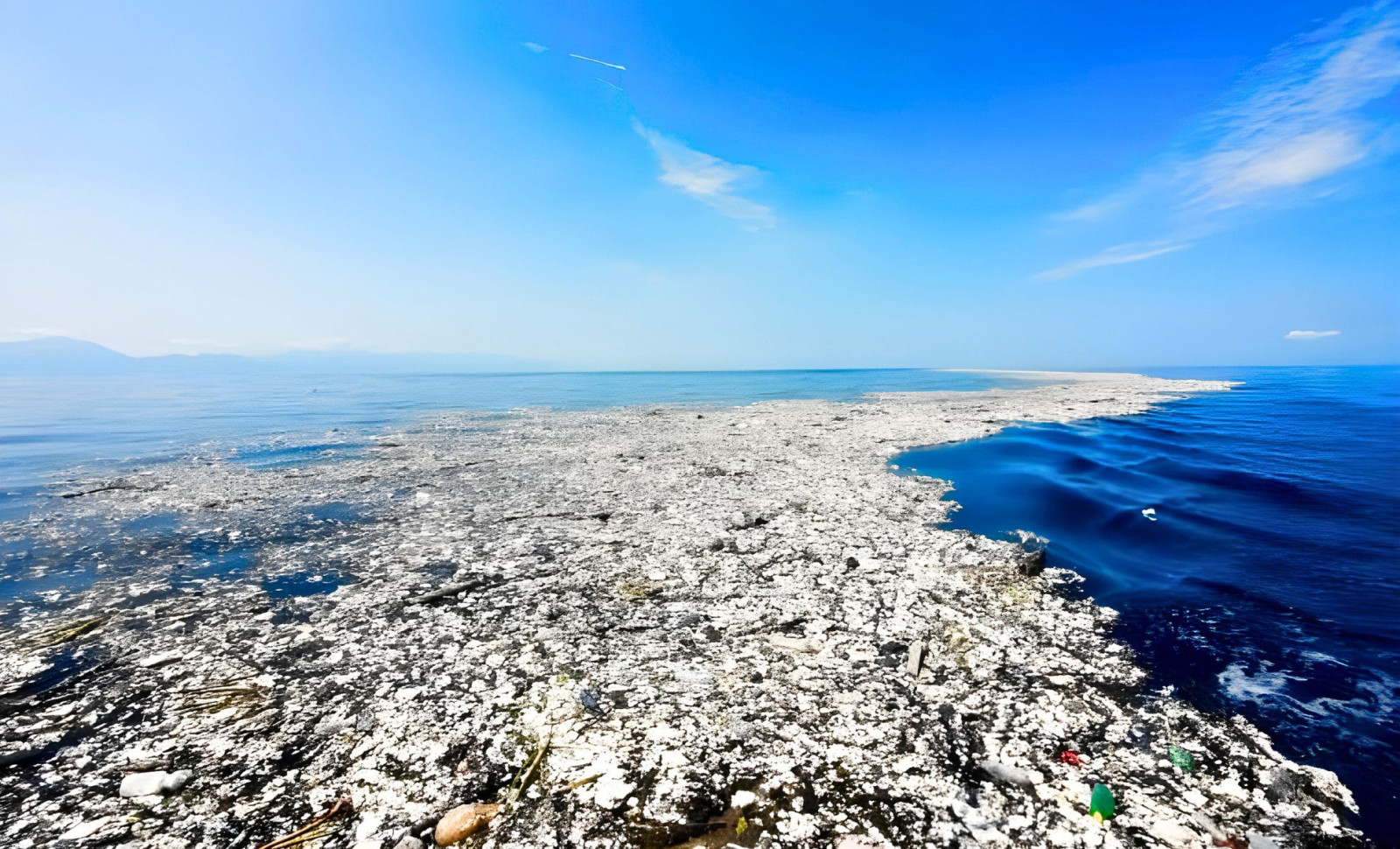
Plastic debris drifts endlessly in the ocean and resists decomposition. While long recognized as a major pollutant, this plastic is now serving an unexpected role.
Far from any landmass, in the vast Pacific Ocean, tiny marine creatures are establishing communities. Rather than simply being passively transported, these animals are thriving on plastic surfaces. Some are growing, others reproducing—turning plastic into their new habitat.
Traditionally, the open ocean was considered too barren for coastal species to survive—lacking solid surfaces or shelter. However, drifting plastic provides a novel substrate, essentially creating floating ecosystems.

Scientists are beginning to interpret these plastic fragments as more than trash, recognizing them as a novel ecosystem that could alter ocean biology in unforeseen ways.
Plastic Debris Serves as a Living Platform
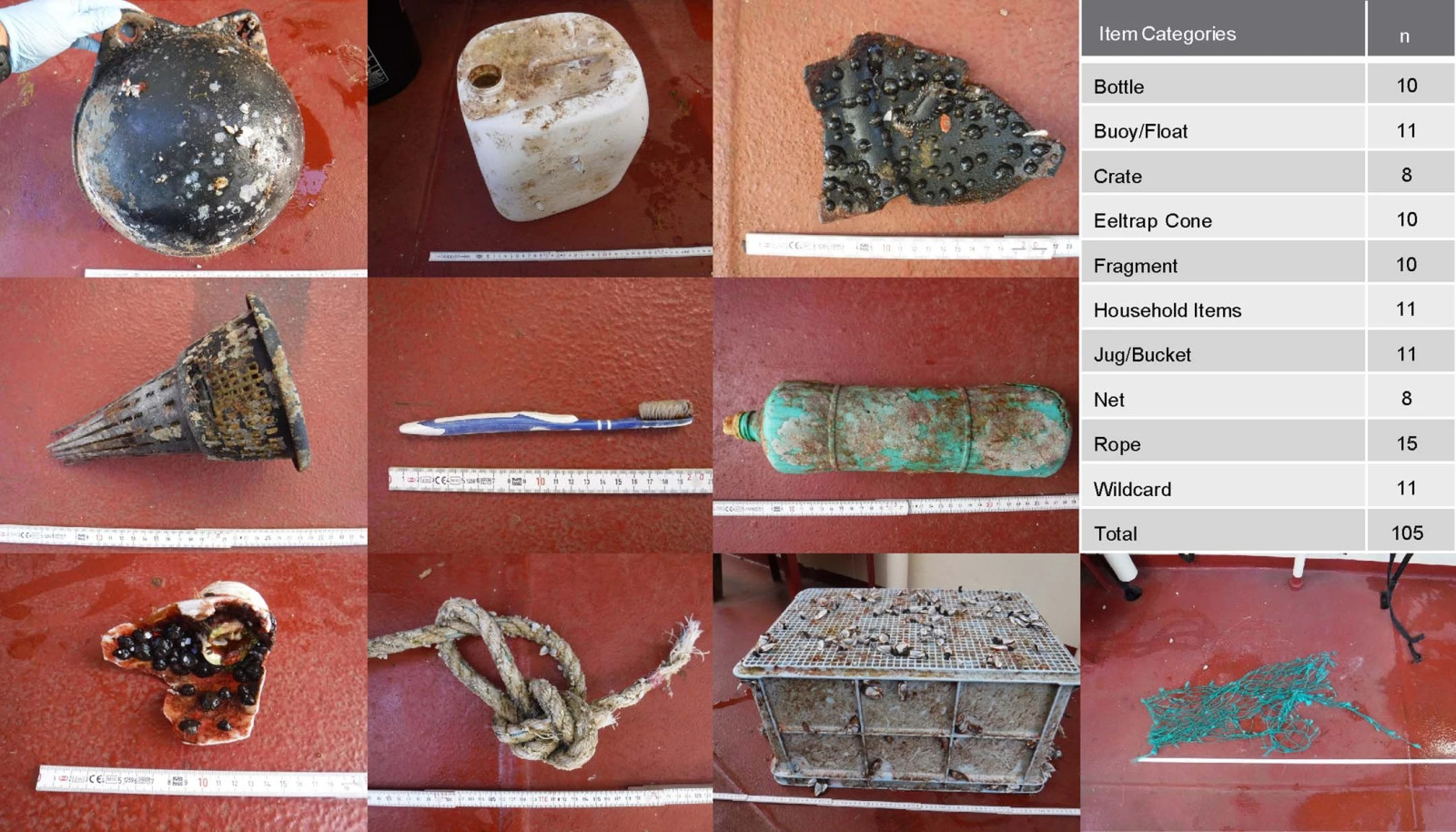
Researchers recently analyzed 105 large plastic items collected from the North Pacific Subtropical Gyre, the ocean current system harboring the Great Pacific Garbage Patch.
Nearly all items (98%) carried attached marine organisms. Altogether, 46 distinct species were identified, encompassing barnacles, crabs, amphipods, and sea anemones. Notably, 37 species usually restricted to coastal areas were found, indicating that creatures accustomed to rocky shorelines are now surviving on plastic far offshore.
This research, published in Nature Ecology & Evolution, reveals how both coastal and pelagic species have colonized plastics, forming persistent communities in the gyre.
These organisms are not merely surviving but reproducing—eggs, juvenile forms, and adult individuals coexisting on the same plastic surfaces.
Plastic ropes and nets showed the most extensive colonization, their complex structures offering ample attachment points and shelter from waves and predators, effectively acting as tiny oceanic islands.
Why Plastics Accumulate in the Gyre
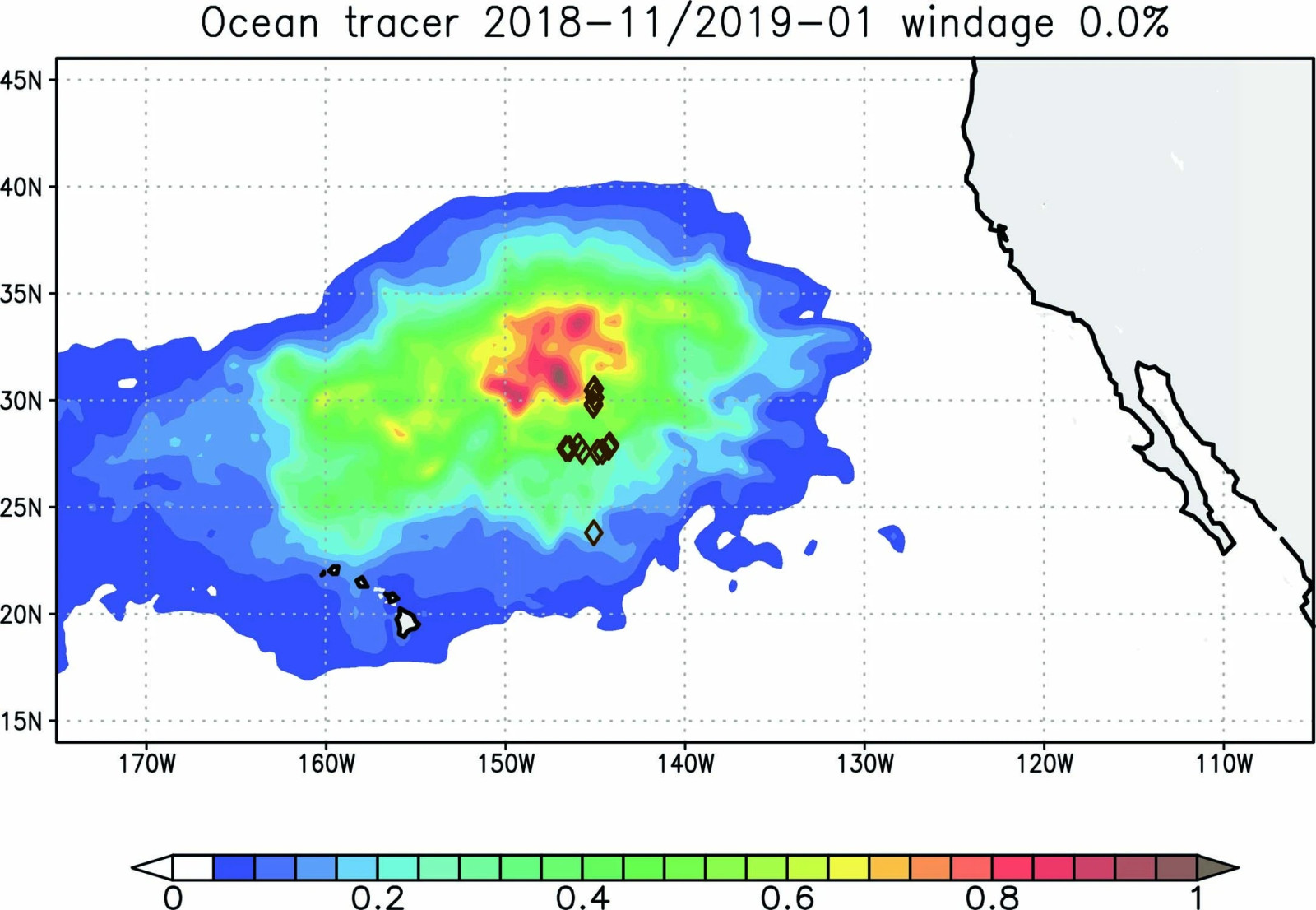
The North Pacific Subtropical Gyre is a slow-moving, circular ocean current system spanning between Asia, North America, and Hawaii. Its stable flow traps floating debris, including plastics, within its center.
More information about this phenomenon is available on the North Pacific Gyre Wikipedia entry, which describes how these persistent currents maintain debris accumulation.
Debris gradually piles up in the gyre’s center, forming the Great Pacific Garbage Patch, estimated to contain 1.8 trillion plastic pieces, according to data from the environmental group The Ocean Cleanup. While most fragments are small, over 90% of the total plastic mass stems from larger objects such as fishing nets and containers.
Unlike natural flotsam like wood or seaweed, plastic remains buoyant and intact for years, giving marine organisms ample time to colonize and build fragile communities on its surfaces.
Because the gyre circulates slowly, it allows these oceanic communities to establish and maintain themselves in one location.
2011 Tsunami Highlights Longevity of Ocean Life on Debris
The massive 2011 Japan tsunami propelled millions of tons of debris—including boats, docks, and plastics—across the Pacific, documented in the Wikipedia article on the event. Years later, researchers found coastal species thriving on this drift, arriving in distant regions like Hawaii and North America.
More than 280 species survived journeys lasting up to six years, demonstrating that coastal organisms can endure extended oceanic travel given appropriate circumstances.
An analysis from Earth.com reports that many of these same species—crabs, anemones, hydroids—are now common on plastics within the garbage patch, relying on their ability to reproduce asexually, feed in a fixed location, and cling to floating debris.
These adaptations provide them a survival advantage in the otherwise inhospitable open ocean environment.
- Categories:
- News






0 comments
Sign in to Comment