
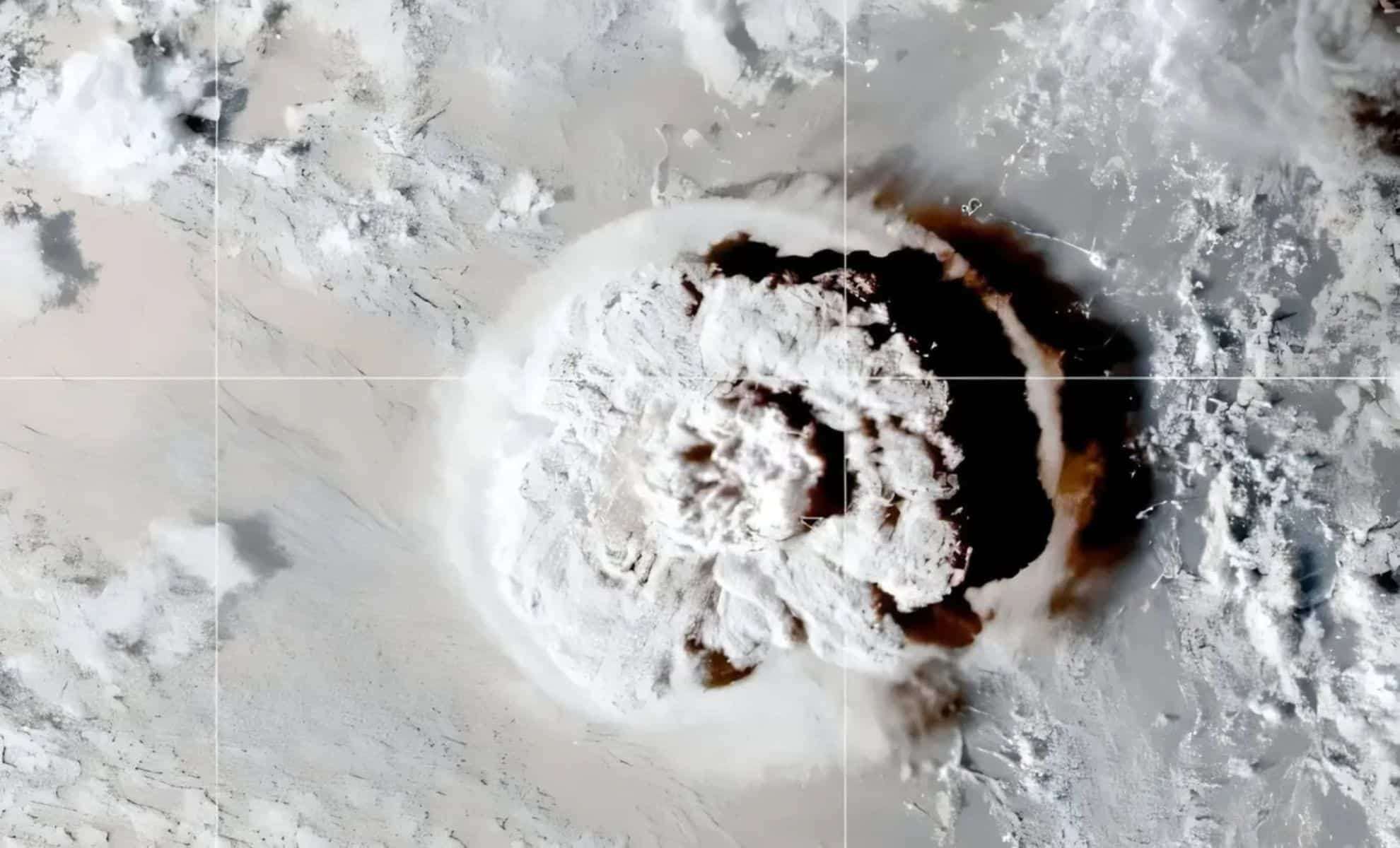
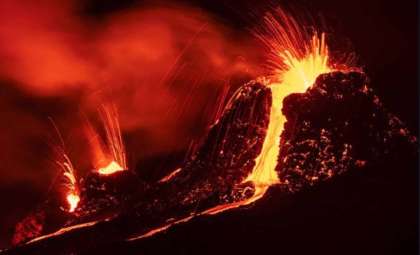
In 2022, the underwater Hunga volcano near Tonga unleashed an eruption that propelled ash up to 37 miles high, marking the largest volcanic plume ever recorded from space. This extraordinary event offered scientists a unique chance to examine how such a colossal eruption influences the ocean floor and its inhabitants. Months later, an expedition set sail to the affected region to assess the eruption's consequences for underwater ecosystems.
Exploring the Ocean's Reaction to a Massive Eruption
While aboard the research ship, undergraduate researcher Marcus Chaknova observed a concerning layer: thick volcanic ash deposits covering the seabed. These sediments, moved by intense underwater currents, suffocated fragile deep-sea habitats that rely on subtle chemical exchanges for survival. Chaknova called this an “exceptionally rare research opportunity,” noting that detailed studies on underwater sediment dispersal following such events are uncommon.
Now a graduate student at the University of Oregon, Chaknova led a collaborative research project with Professor Thomas Giachetti and an international team of 16 scientists to uncover how volcanic ash spreads underwater and its ecological effects.

Tracking the Movement and Impact of Volcanic Ash
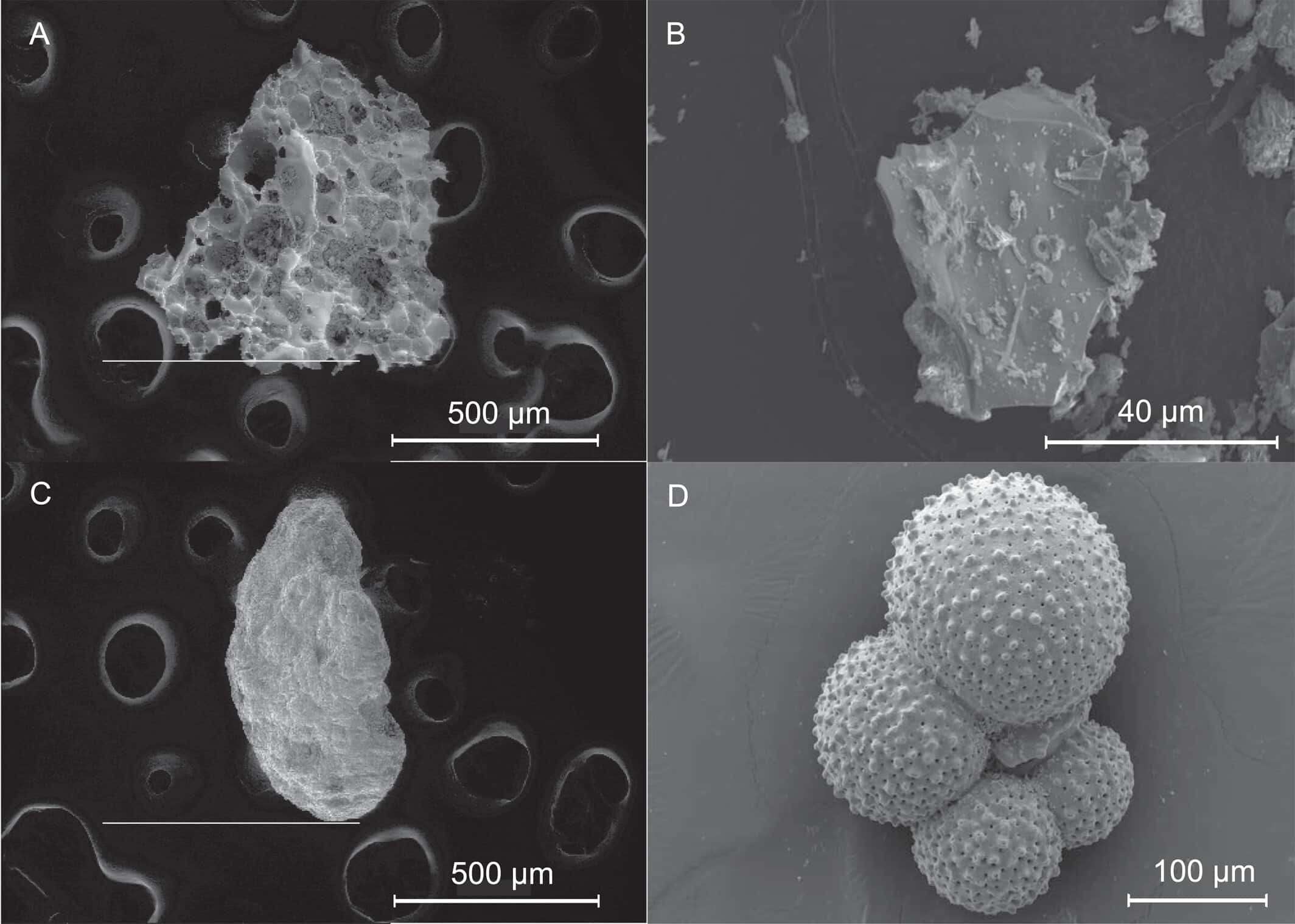
The initial phase of the investigation verified that the ash deposits on the ocean floor originated from the Hunga eruption. It took several weeks to months for the ash to settle via ocean currents and wind, transporting material over great distances. The ash particles varied in shape, ranging from jagged edges to smooth grains.
In certain locations, sediment layers exceeded a meter in depth, primarily consisting of fine grains comparable in size to a human hair. These sediments moved through underwater landslides powerful enough to damage communication cables and carve out canyons in the seabed.
The dramatic movement of these sediments allowed scientists to use timing from cable interruptions to estimate the flow speed. Chaknova’s group is using their findings and ash samples to develop computational models simulating sediment transport and predicting effects on marine environments.
Volcanic Ash Smothers Deep Ocean Ecosystems
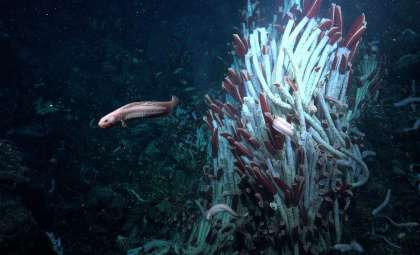
The eruption’s impact went beyond geological alterations, severely harming deep-sea ecosystems. In the lightless ocean depths, life depends on chemosynthesis—energy derived from chemicals like methane and ammonia emitted by hydrothermal vents instead of sunlight. This fragile balance was disturbed as ash blanketed the seafloor, suffocating organisms that rely on these chemical reactions.
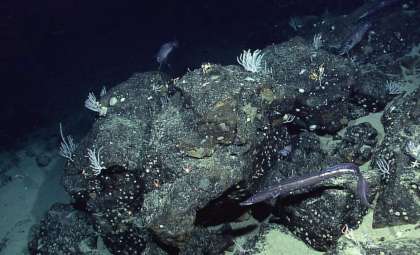
According to the World Wide Fund for Nature, up to 90% of ocean life dwells on the seabed, much of which was buried beneath thick ash deposits. While some creatures such as worms and anemones can survive short-term burial, the sudden ash influx proved fatal for many deep-sea species. Suspension feeders suffered greatly, as ash clogged their feeding apparatus, severely hampering their ability to sustain themselves.
- Categories:
- News





0 comments
Sign in to Comment