
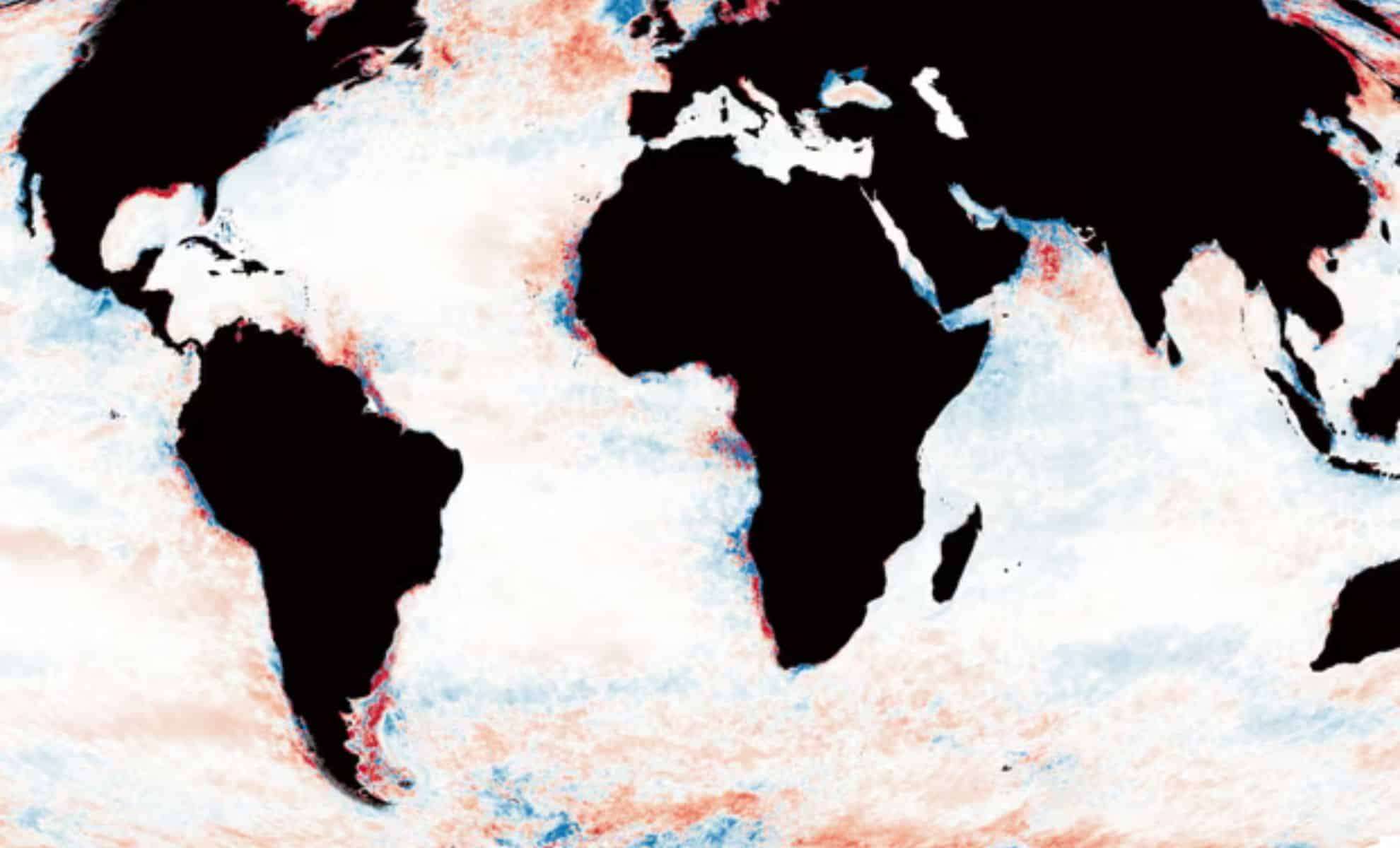
A recent investigation Global Change Biology reveals that over one-fifth of the world’s oceans have experienced a notable decline in light penetration between 2003 and 2022. This widespread darkening, influenced by multiple intricate environmental factors, jeopardizes marine biodiversity by reducing the sunlit depths essential for oceanic organisms. The phenomenon has profound consequences for biodiversity, global fisheries, and climate processes, highlighting a pressing environmental concern at the convergence of climate science and marine ecology.
Vast Oceanic Areas See Reduced Sunlit Depths
International researchers, utilizing satellite observations and computational models, report that approximately 75 million square kilometers of ocean surface—an expanse comparable to the combined continents of Africa, Europe, China, and North America—has encountered measurable declines in sunlight exposure. This has led to a significant reduction in the photic zone, the ocean's upper layer where sunlight drives photosynthesis. In certain regions, this light-penetrated layer has contracted by 50 to 100 meters, impacting phytoplankton, the microscopic plants that form the foundation of most marine food chains and contribute about half of Earth’s oxygen production. A diminished phytoplankton population threatens to trigger widespread disruptions throughout marine ecosystems, making the decline in ocean light a critical ecological issue.
Climate Change and Ocean Circulation Patterns Amplify Darkening
While coastal darkening is often linked to sediment deposits and nutrient runoff, scientists suggest that deeper, large-scale oceanic processes drive the darkening of open waters. “Regions exhibiting significant shifts in ocean currents or those experiencing warming from climate change, such as the Southern Ocean and areas along the Gulf Stream near Greenland, are darkening,” explained Dr. Thomas Davies, a marine conservation expert from the University of Plymouth. These zones, already sensitive to temperature rises, are showing a notable loss in water clarity. The warming of global waters may enhance layering, entrapping organic substances and pigments near the surface, thereby restricting sunlight penetration and perpetuating the darkening cycle. These insights indicate that ocean light loss is a widespread, complex transformation influenced by global climate systems.

Reduced Light Condenses Marine Life Into Narrower Zones
The photic zone offers essential habitat for numerous marine species that rely on light for feeding, reproduction, and other vital behaviors. “Light is crucial for many biological functions in marine species including hunting, mating, and reproductive timing,” stated Davies. As the sunlit layer contracts, aquatic life must inhabit a thinner region near the surface, increasing density, competition, and diminishing available habitats. “With oceans becoming darker, organisms are pushed upwards into limited space, causing crowding near the surface,” he added. This confinement threatens ecological balance within food webs and heightens stress on species, potentially driving population declines.
Human and Environmental Impacts Are Becoming Evident
The darkening oceans influence more than marine creatures—they also affect global climate regulation and human economies. Prof. Oliver Zielinski, who leads the Leibniz Institute for Baltic Sea Research, termed these shifts “alarming.” “These alterations can disrupt marine food chains, change where species live, and weaken the ocean's role in biodiversity support and climate mitigation,” he cautioned. Oceans are crucial for carbon uptake and nutrient cycles—functions compromised when phytoplankton levels drop. Zielinski highlighted the susceptibility of coastal waters: “Coastal regions, closest to human impact, are particularly at risk, with their health pivotal for ecosystems and human communities.” Fishing industries worldwide, especially in developing countries, may face resource shortages as marine species relocate or diminish due to habitat compression.
Brightening Areas Pose Their Own Challenges
Curiously, about 10% of global ocean surfaces have brightened during the same timeframe, including notable light increases near the west coast of Ireland. Yet, scientists caution this does not necessarily indicate improvement. Increased light may signal lower plankton counts, a worrying sign for ecosystem productivity. These brighter zones might illustrate diminished biological health or altered water properties. The contrasting trends—extensive darkening alongside localized brightening—point to erratic and potentially destabilizing changes rather than ecological recovery. Investigating the causes behind these divergent light shifts is now a key focus for oceanographers and policymakers.
- Categories:
- News












0 comments
Sign in to Comment