
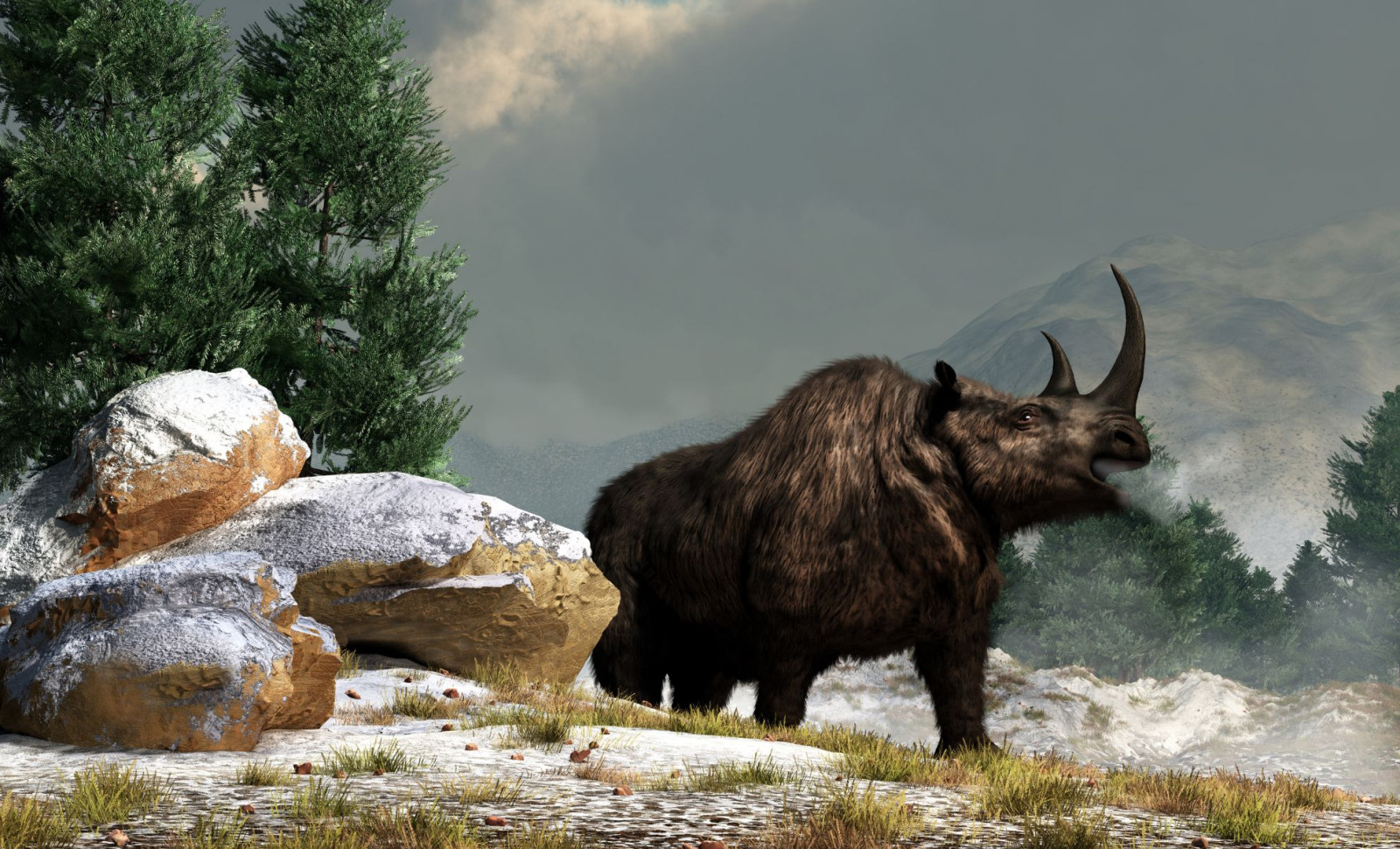
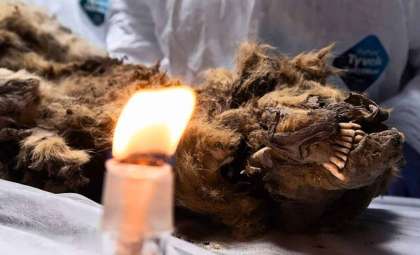
Emerging from a Siberian landslide and locked in permafrost for millennia, a two-month-old wolf cub has provided researchers not only with its own ancient narrative but also a surprising genetic insight into the woolly rhinoceros, one of the Ice Age's most iconic creatures that vanished thousands of years ago.
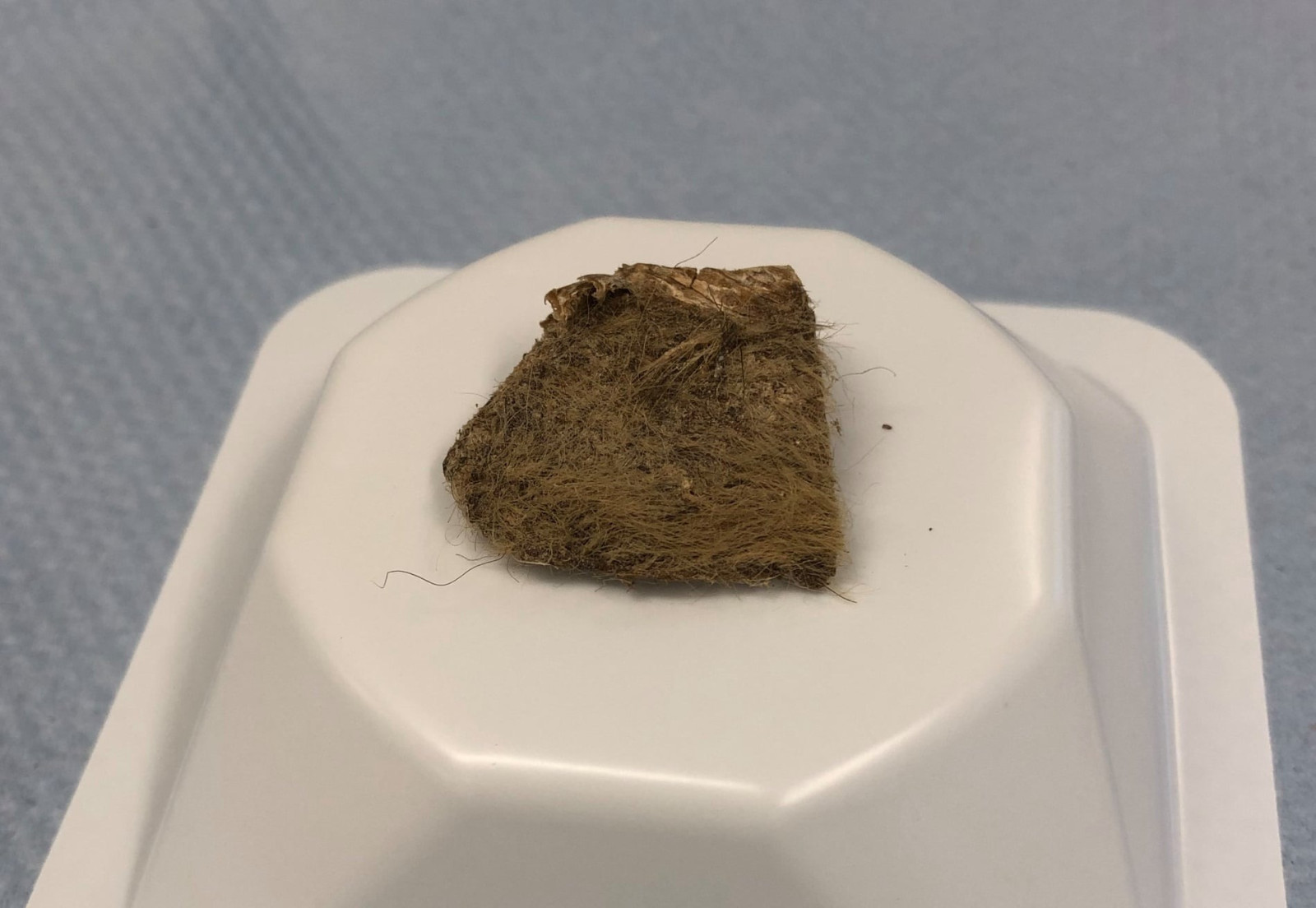
Discovered in 2011 near Tumat village in northeastern Siberia, the cub's body was preserved exceptionally well thanks to the subzero conditions it endured for over 14,000 years. Scientists analyzing its stomach contents uncovered a clump of matted hairy tissue, later identified as remnants of a woolly rhinoceros. This rare find allowed geneticists to study the DNA of the species from its final days before extinction.
Genetic Blueprint Extracted from Predator’s Stomach
Researchers from the Centre for Palaeogenetics, a joint initiative of Stockholm University and the Swedish Museum of Natural History, employed cutting-edge sequencing techniques to unravel the genome of the woolly rhinoceros using the tissue discovered inside the wolf cub. This marked an unprecedented achievement — retrieving an extinct Ice Age species’ genome from the digestive remains of a predator.

Dr. Camilo Chacón-Duque, who was involved in the research, highlighted the extraordinary nature of the find. Published in Genome Biology and Evolution, the study notes that samples capturing the genetic makeup of species shortly before extinction are exceedingly rare, and recovering such material from within another animal is virtually unheard of.
“To our knowledge this is the youngest woolly rhinoceros for which we have the genome,” he said.
Genetic Data Contradicts Decline Signs
When the team examined the woolly rhino DNA, they anticipated detecting evidence of genetic decline — reduced diversity, inbreeding consequences, or harmful mutation accumulation, collectively known as “genomic erosion.” These patterns typically signal an impending extinction. However, the findings told a surprising tale.
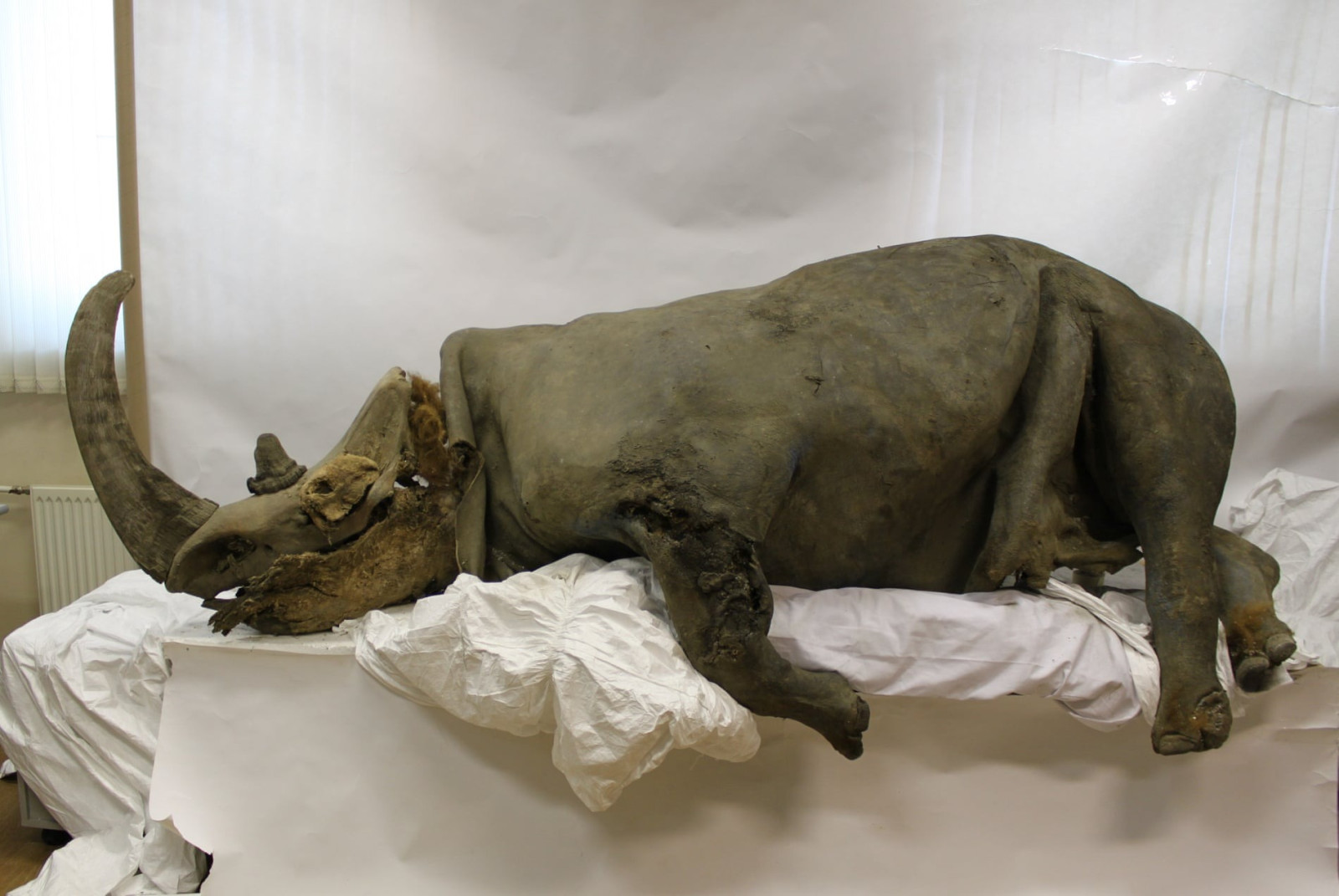
Comparing the genome from the cub’s stomach with two older samples — one approximately 18,000 years old and another about 49,000 years old — revealed consistent genetic stability. The woolly rhino population appeared robust and genetically diverse until shortly before their sudden extinction.
“What we found was nothing like that. Whatever killed the species was relatively fast,” Chacón-Duque said.
Scientists estimate the extinction unfolded over a rapid 300 to 400-year time frame.
Climate Change Implicated as Primary Cause
This genomic evidence challenges the theory that human hunting was the main driver of the woolly rhino’s demise. Professor Love Dalén from the research team points out that woolly rhinoceroses coexisted with humans for at least 15,000 years without notable population decline.
Instead, rapid warming during the Bølling-Allerød Interstadial, which spanned from about 14,700 to 12,900 years ago, likely disrupted the rhinos’ ecosystems, reducing suitable habitats and food resources. The Guardian notes this climatic event is probably the more plausible explanation for their abrupt extinction.
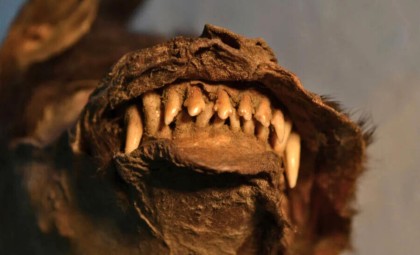
The exact reason why the wolf cub had woolly rhino meat remains uncertain. Researchers speculate it may have scavenged leftovers or been fed by older pack members. A second cub, potentially its sibling, was discovered nearby in 2015; both were just beginning to eat solid food.
- Categories:
- Science


0 comments
Sign in to Comment