
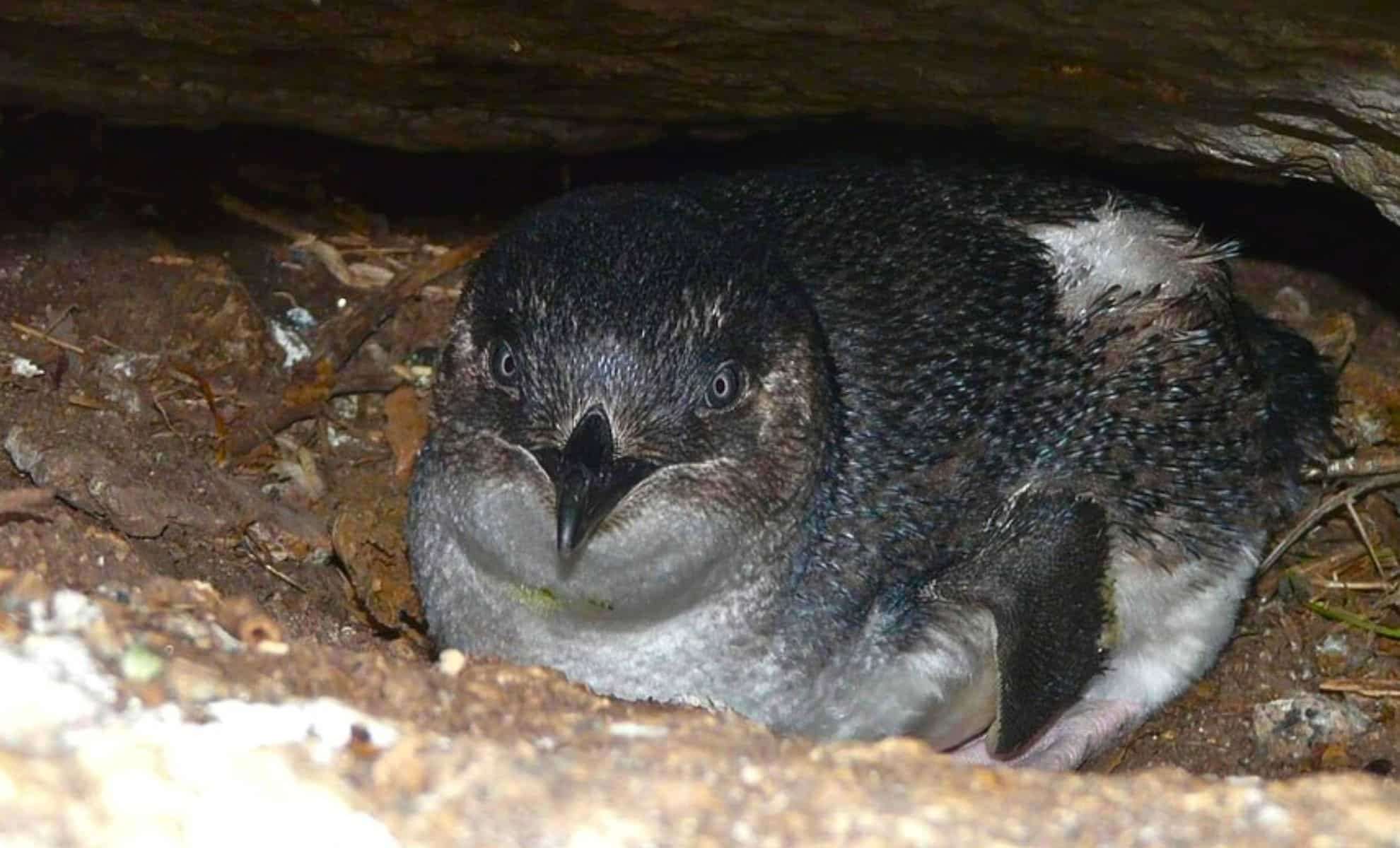
The population of little penguins on Granite Island has plummeted dramatically, nearing extinction as human influences take a devastating toll. Experts emphasize this urgent situation calls for a comprehensive change in how we handle wildlife protection and address the consequences of human interference.
Granite Island’s Pengiun Population Collapse
Once home to a large group of little penguins, Granite Island, situated near South Australia’s coast, now supports a critical low of roughly thirty individuals. The decline stems from a harmful combination of urban expansion, visitor pressures, and natural threats.
- Sharp population decline: From 1,600 adults down to just 30 over twenty years.
- Tourist impact: Nearly 800,000 annual visitors disrupt nesting habitats.
- Predators rise: Threats from foxes, seals, and changing environment conditions persist.
The consequences are stark. Beyond environmental challenges, these penguins face stress from human presence that impairs their parenting and overall survival prospects.

“When humans are around a lot, the penguins can be bolder. But that boldness is a sign of stress, not strength.” — Dr. Diane Colombelli-Négrel, Flinders University
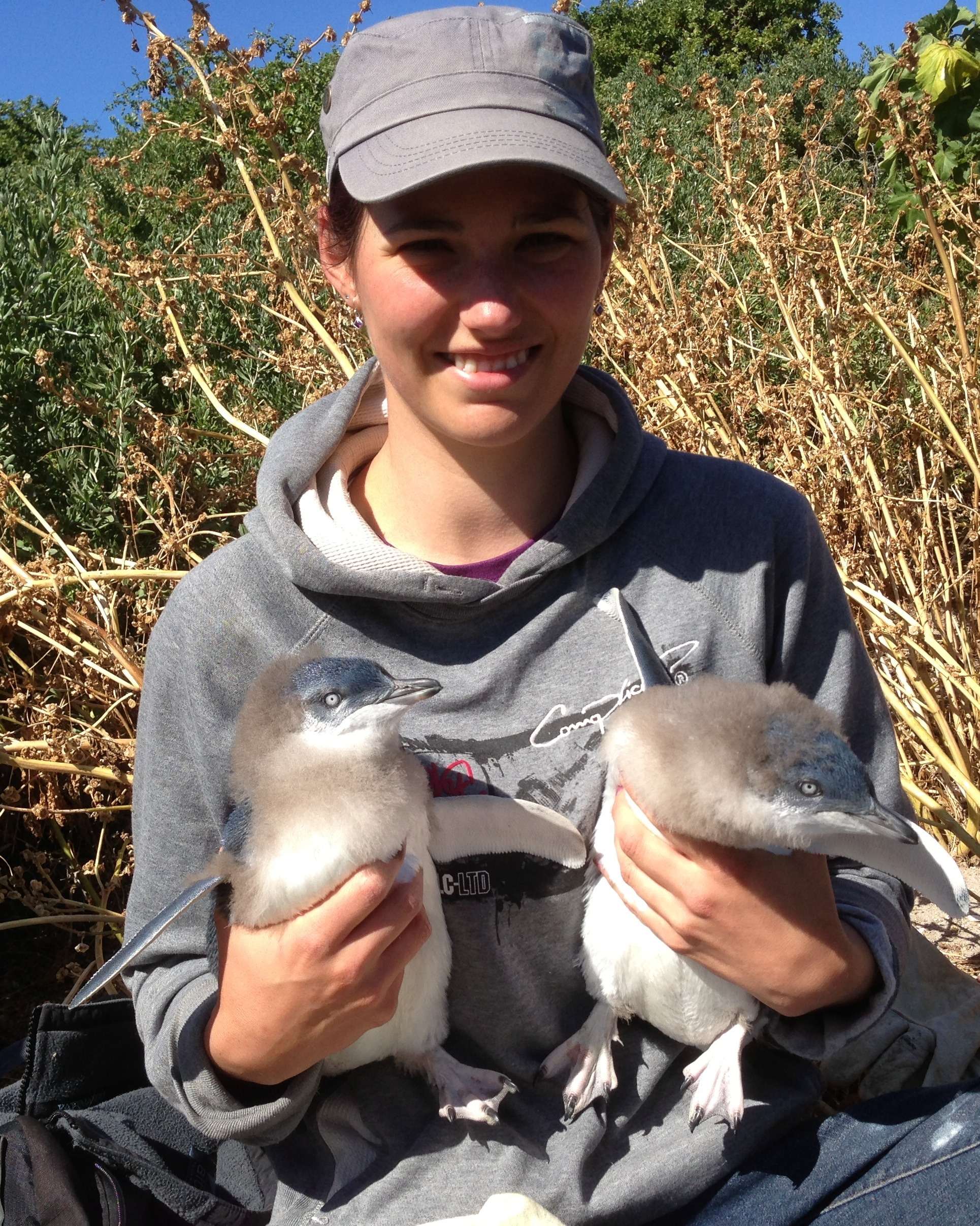
Bolder Behavior Signals Stress, Not Health
Research from Flinders University uncovers that while the penguins display increased boldness near humans, it does not equate to better care of their young, but rather highlights underlying stress.
- Penguins showing boldness allow humans to get closer without retreating.
- This behavior, however, raises stress responses that diminish reproductive outcomes.
- Despite appearing resilient, their health suffers consequences from this chronic pressure.
This nuanced discovery challenges simplified views of animal reactions, revealing how sustained human disturbance subtly yet profoundly harms their physical and mental well-being.
Shifting the Conservation Paradigm
The current plight of these penguins demands more than standard protection; an overhaul in conservation strategies is essential for effective recovery.
- Minimize human disturbances: Allow penguins uninterrupted zones to breed and thrive.
- Enhance predator management: Safeguard penguin populations against both indigenous and non-native predators.
- Reevaluate tourism strategies: Enforce visitor limits and increase awareness regarding their impact.
Human activity directly threatens global biodiversity, and if development continues to outpace conservation, species risk disappearing with alarming speed.
Ecological Stakes Extend Beyond Penguins
This crisis symbolizes broader environmental concerns tied to the fragile ecosystem equilibrium and our responsibility to nurture it.
- Climate disruptions threaten fish availability and weather stability.
- Expanding urban areas fragment critical animal habitats.
- Human activities — from construction to leisure — pressure species toward extinction.
The fate of these penguins reflects a greater environmental emergency where our interference erodes the precious diversity of life that once flourished.
“Our results suggest that constant exposure to anthropogenic disturbance may have negative effects on little penguins. We must reduce these disturbances immediately.” — Dr. Diane Colombelli-Négrel
Charting a Sustainable Future
The continued existence of Granite Island’s little penguins depends on collective steps to curb human impact. This challenge transcends species conservation; it calls for a renewed harmony with nature.
- Promote respectful tourism: Educate visitors about their influence on wildlife.
- Advocate for stronger policies: Authorities and conservation groups must enforce sustainable protection.
- Mobilize public involvement: Encourage individuals to spot threats and champion penguin welfare.
Protecting this vulnerable penguin population is a mirror of global environmental stewardship and a pressing ethical challenge.









0 comments
Sign in to Comment